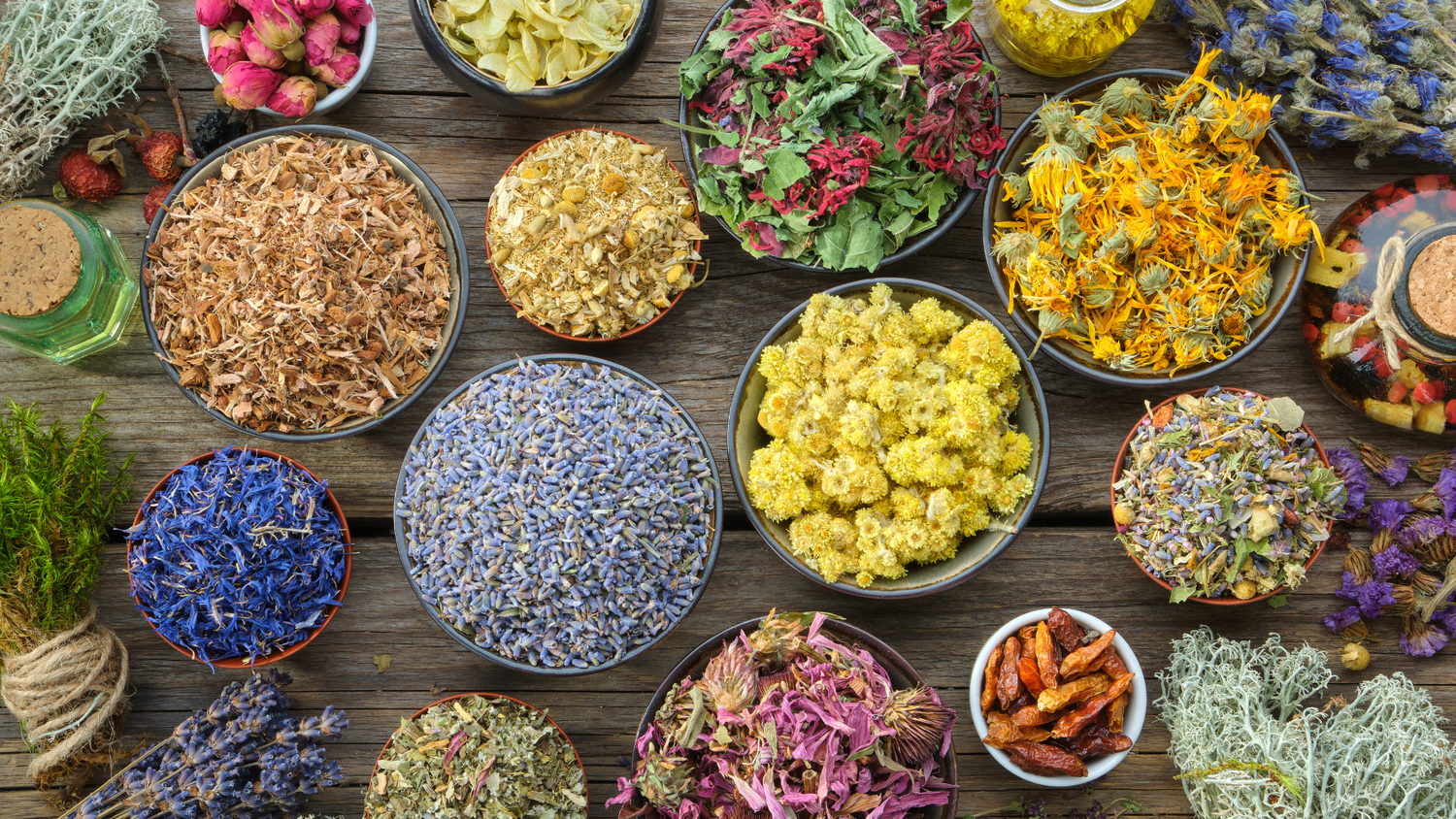
Go deeper into herbalism, body system by body system
Ready to take your herbalism knowledge to the next level? The Advanced Master Herbalist Course from Expert Skills is the deeper, body-system-by-body-system continuation for those who already grasp the foundations and want to go further. Where an introductory course covers the history and basics of herbs, this advanced program organises traditional plant knowledge around the major systems of the human body, exploring how herbalism has been applied, system by system, in time-honored wellness traditions. It's an educational wellness program written for committed enthusiasts and aspiring practitioners who want serious depth.
On completion, you'll earn your Advanced Master Herbalist Certification, demonstrating an advanced level of study in this field. This is Expert Skills' own advanced herbalist certification course, rooted in traditional plant knowledge and natural wellness.
Through 14 advanced modules, you'll build a sophisticated, system-by-system understanding of how herbs have traditionally been used:
This course is Accredited by Expert Skills and recognized internationally for professional development. On passing the final exam, you'll receive your advanced certification of completion. You can also order a personalized hard-copy certification, an optional paid upgrade, printed with your name and the course title, perfect for framing or showcasing your advanced study. Order your official certification here.
You'll have two months of full access to study at your own pace. If you need longer to work through the advanced material, access can be extended directly on the site for a small fee.
This advanced grounding deepens the knowledge valued across the natural-wellness world, for those exploring holistic and complementary wellness, working in herbal-product or health-food settings, or building toward a herbalist practice of their own.
Go beyond the basics and explore how traditional herbalism has been applied across every system of the body. Enroll in the Advanced Master Herbalist Course today and join Expert Skills learners taking their plant knowledge to a deeper level, entirely online and at your own pace.
Below is the beginning of the first lesson. Enroll to access all 14 lessons.
The Power of Herbs
Herbs have been used for thousands of years for their medicinal properties and healing abilities. The power of herbs lies in their natural compounds, which have the ability to support and restore the body's natural balance. Herbs can be used for a wide range of conditions, from mild ailments such as headaches and digestive issues to more complex conditions like chronic pain and autoimmune diseases.
One of the key benefits of herbs is their ability to support the body's natural healing processes. Unlike synthetic drugs, which often have side effects and can disrupt the body's natural balance, herbs work with the body to help it heal itself. For example, herbs like echinacea and elderberry can boost the immune system and help the body fight off infections and illness.
Another benefit of herbs is their versatility. Herbs can be used in a variety of forms, from teas and tinctures to topical creams and salves. This makes them accessible to a wide range of people with different needs and preferences. For example, someone who is sensitive to strong flavors may prefer a capsule or tablet form of an herb, while someone who enjoys the ritual of drinking tea may prefer a herbal infusion.
In addition to their physical healing properties, herbs can also have a positive impact on mental and emotional well-being. Herbs like lavender and chamomile can help calm the mind and promote relaxation, while herbs like St. John's wort and ashwagandha can support emotional balance and resilience.
Overall, the power of herbs lies in their ability to support the body's natural healing processes and promote overall health and well-being. As a Master Herbalist, understanding the properties and uses of different herbs can allow you to harness their power and help others on their journey to optimal health.
Anti-Catarrhal Action
As a Master Herbalist, one of the key concepts to understand is the anti-catarrhal action of certain herbs. Catarrh is a term used to describe excess mucus or phlegm in the respiratory system, which can cause congestion and difficulty breathing. Herbs with anti-catarrhal properties can help reduce the buildup of mucus and promote healthy respiratory function.
Some examples of herbs with anti-catarrhal properties include elecampane, mullein, and hyssop. These herbs contain natural compounds that help break up mucus and promote expectoration, or the removal of excess mucus from the body. This can be particularly helpful for individuals with conditions like asthma, bronchitis, or allergies, where excess mucus can make breathing difficult.
Herbs with anti-catarrhal properties can be used in a variety of forms, from teas and tinctures to inhalants and steam baths. For example, a steam bath with eucalyptus or peppermint essential oil can help clear congestion and promote healthy respiratory function. Mullein tea or tincture can be helpful for individuals with chronic coughs or bronchitis.
It's important to note that while herbs with anti-catarrhal properties can be helpful in promoting healthy respiratory function, they should not be used as a replacement for medical care. Individuals with severe or chronic respiratory conditions should always seek the guidance of a healthcare professional.
Overall, understanding the anti-catarrhal action of herbs is an important concept for Master Herbalists. By incorporating herbs with anti-catarrhal properties into treatment plans, herbalists can support healthy respiratory function and promote overall well-being for their clients.
Expectorant Herbs
Expectorant herbs are a key concept in the field of herbalism, particularly in the area of respiratory health. Expectorant herbs help to loosen and expel mucus from the lungs and respiratory tract, making them helpful for individuals with conditions such as bronchitis, pneumonia, and asthma.
Some examples of expectorant herbs include elecampane, mullein, and licorice. These herbs contain natural compounds that help to thin and break up mucus, making it easier to cough up and expel from the body. This can help to alleviate symptoms such as chest congestion, coughing, and difficulty breathing.
Expectorant herbs can be used in a variety of forms, including teas, tinctures, and syrups. For example, a tea made from mullein or elecampane can help to soothe the respiratory tract and promote the expulsion of mucus. Licorice root, which also has demulcent and anti-inflammatory properties, can be particularly helpful for individuals with bronchitis or other respiratory conditions.
It's important to note that while expectorant herbs can be helpful in promoting healthy respiratory function, they should not be used as a replacement for medical care. Individuals with severe or chronic respiratory conditions should always seek the guidance of a healthcare professional.
Overall, understanding the properties and uses of expectorant herbs is an important concept for Master Herbalists. By incorporating these herbs into treatment plans, herbalists can support healthy respiratory function and help clients manage symptoms associated with respiratory conditions.
Astringent Herbs
Astringent herbs are an important concept in the field of herbalism. These herbs have the ability to constrict and tighten tissues, making them helpful for a variety of conditions such as diarrhea, hemorrhoids, and skin irritations.
Some examples of astringent herbs include witch hazel, yarrow, and oak bark. These herbs contain natural compounds that help to tighten and constrict tissues, reducing inflammation and promoting healing. Astringent herbs can also have antiseptic properties, making them helpful for disinfecting wounds and preventing infection.
Astringent herbs can be used in a variety of forms, including teas, tinctures, and poultices. For example, a poultice made from witch hazel or yarrow can help to soothe skin irritations and promote healing. Oak bark, which also has antiseptic properties, can be helpful for individuals with diarrhea or other gastrointestinal issues.
It's important to note that while astringent herbs can be helpful in promoting healing and reducing inflammation, they should not be used in excess or for extended periods of time. Overuse of astringent herbs can cause tissue damage and interfere with the body's natural healing processes.
Overall, understanding the properties and uses of astringent herbs is an important concept for Master Herbalists. By incorporating these herbs into treatment plans, herbalists can support healing and promote overall well-being for their clients.
Demulcent Herbs
Demulcent herbs are an important concept in the field of herbalism. These herbs have a soothing and protective effect on mucous membranes, making them helpful for conditions such as coughs, sore throats, and digestive issues.
Some examples of demulcent herbs include marshmallow root, slippery elm bark, and licorice root. These herbs contain natural compounds that help to coat and protect mucous membranes, reducing inflammation and irritation. Demulcent herbs can also have a moisturizing effect, helping to hydrate and soothe dry or damaged tissues.
Demulcent herbs can be used in a variety of forms, including teas, tinctures, and lozenges. For example, a tea made from marshmallow root or slippery elm bark can help to soothe a sore throat and reduce coughing. Licorice root, which also has expectorant and anti-inflammatory properties, can be helpful for individuals with bronchitis or other respiratory conditions.
It's important to note that while demulcent herbs can be helpful in promoting healing and reducing inflammation, they should not be used in excess or for extended periods of time. Overuse of demulcent herbs can interfere with the body's natural healing processes and cause other complications.
Overall, understanding the properties and uses of demulcent herbs is an important concept for Master Herbalists. By incorporating these herbs into treatment plans, herbalists can support healing and promote overall well-being for their clients.
Antispasmodic Herbs
Antispasmodic herbs are an important concept in the field of herbalism. These herbs have the ability to relax and calm spasms or involuntary muscle contractions, making them helpful for conditions such as menstrual cramps, irritable bowel syndrome, and muscle tension.
Some examples of antispasmodic herbs include valerian root, passionflower, and chamomile. These herbs contain natural compounds that help to relax the nervous system and calm muscle spasms. Antispasmodic herbs can also have sedative properties, making them helpful for promoting relaxation and sleep.
Antispasmodic herbs can be used in a variety of forms, including teas, tinctures, and capsules. For example, a tea made from chamomile or passionflower can help to promote relaxation and reduce muscle tension. Valerian root, which also has anxiolytic and sleep-promoting properties, can be helpful for individuals with anxiety or insomnia.
It's important to note that while antispasmodic herbs can be helpful in promoting relaxation and reducing muscle tension, they should not be used in excess or for extended periods of time. Overuse of antispasmodic herbs can cause drowsiness and other side effects.
Overall, understanding the properties and uses of antispasmodic herbs is an important concept for Master Herbalists. By incorporating these herbs into treatment plans, herbalists can support relaxation, reduce muscle tension, and promote overall well-being for their clients.
Anti-Rheumatic Herbs
Anti-rheumatic herbs are an important concept in the field of herbalism. These herbs have the ability to alleviate the symptoms of rheumatism, a chronic inflammatory condition that affects the joints, muscles, and other tissues.
Some examples of anti-rheumatic herbs include turmeric, ginger, and willow bark. These herbs contain natural compounds that have anti-inflammatory properties, which can help to reduce pain, swelling, and stiffness associated with rheumatism. Anti-rheumatic herbs can also have analgesic properties, making them helpful for managing pain.
Anti-rheumatic herbs can be used in a variety of forms, including teas, tinctures, and capsules. For example, a tea made from ginger or turmeric can help to reduce inflammation and alleviate pain associated with rheumatism. Willow bark, which contains a natural form of aspirin, can be helpful for individuals with rheumatic conditions who have difficulty tolerating aspirin or other over-the-counter pain relievers.
It's important to note that while anti-rheumatic herbs can be helpful in managing the symptoms of rheumatism, they should not be used as a substitute for medical treatment. Individuals with rheumatism should work closely with their healthcare providers to develop a comprehensive treatment plan that includes herbal remedies as a complementary therapy.
In summary, anti-rheumatic herbs are an important tool for Master Herbalists to incorporate into their treatment plans for individuals with rheumatism. By understanding the properties and uses of these herbs, herbalists can provide safe and effective support for managing the symptoms of this chronic condition.
Carminative Herbs
Carminative herbs are a valuable concept in the field of herbalism. These herbs have the ability to relieve flatulence, bloating, and other digestive discomforts. Carminative herbs can be used to address a range of digestive issues, including indigestion, gas, and nausea.
Some examples of carminative herbs include ginger, fennel, and peppermint. These herbs contain natural compounds that help to relax the muscles in the digestive tract, promote the release of digestive juices, and reduce inflammation in the gut. By doing so, carminative herbs can help to improve digestion and reduce symptoms of digestive discomfort.
Carminative herbs can be used in a variety of forms, including teas, tinctures, and capsules. For example, a tea made from ginger or fennel can help to promote digestion and reduce symptoms of bloating and gas. Peppermint, which has antispasmodic properties, can be helpful for reducing cramping and abdominal pain associated with digestive issues.
It's important to note that while carminative herbs can be helpful in improving digestive health, they should not be used as a substitute for medical treatment. Individuals with chronic digestive issues should work closely with their healthcare providers to develop a comprehensive treatment plan that includes herbal remedies as a complementary therapy.
In summary, carminative herbs are an important tool for Master Herbalists to incorporate into their treatment plans for individuals with digestive discomforts. By understanding the properties and uses of these herbs, herbalists can provide safe and effective support for improving digestive health and reducing symptoms of discomfort.
Bitter Herbs
Bitter herbs are a valuable concept in the field of herbalism. These herbs have a bitter taste due to the presence of natural compounds called bitter principles. These bitter principles can stimulate the production of digestive juices, improve digestion, and increase the absorption of nutrients.
Some examples of bitter herbs include dandelion, gentian, and wormwood. These herbs can be used to stimulate the appetite, relieve indigestion, and promote liver and gallbladder function. Bitter herbs can also have a tonifying effect on the digestive system, which can help to improve overall digestion and absorption of nutrients.
Bitter herbs can be used in a variety of forms, including teas, tinctures, and capsules. For example, a tea made from dandelion or gentian can be helpful for individuals who experience poor appetite or indigestion. Wormwood, which has been traditionally used as a digestive aid, can also help to improve the function of the liver and gallbladder.
It's important to note that while bitter herbs can be helpful in improving digestive health, they should not be used as a substitute for medical treatment. Individuals with chronic digestive issues should work closely with their healthcare providers to develop a comprehensive treatment plan that includes herbal remedies as a complementary therapy.
In summary, bitter herbs are an important tool for Master Herbalists to incorporate into their treatment plans for individuals with digestive issues. By understanding the properties and uses of these herbs, herbalists can provide safe and effective support for improving digestive health and promoting optimal nutrient absorption.
Cholagogue Herbs
Cholagogue herbs are a valuable concept in the field of herbalism. These herbs have the ability to stimulate the production and flow of bile from the liver and gallbladder. Bile is important for the digestion of fats and the elimination of toxins from the body.
Some examples of cholagogue herbs include milk thistle, artichoke, and turmeric. These herbs can be used to support liver and gallbladder function, improve digestion, and promote the elimination of toxins from the body. Cholagogue herbs can also have a gentle laxative effect, which can help to improve bowel regularity and promote overall digestive health.
Cholagogue herbs can be used in a variety of forms, including teas, tinctures, and capsules. For example, a tea made from milk thistle or artichoke can be helpful for individuals with sluggish digestion or liver and gallbladder issues. Turmeric, which has been traditionally used in Ayurvedic medicine, can also help to support liver function and promote the elimination of toxins.
It's important to note that while cholagogue herbs can be helpful in improving digestive health, they should not be used as a substitute for medical treatment. Individuals with chronic digestive or liver issues should work closely with their healthcare providers to develop a comprehensive treatment plan that includes herbal remedies as a complementary therapy.
In summary, cholagogue herbs are an important tool for Master Herbalists to incorporate into their treatment plans for individuals with digestive and liver issues. By understanding the properties and uses of these herbs, herbalists can provide safe and effective support for improving digestive health, promoting optimal liver function, and eliminating toxins from the body.
Hepatic Herbs
Hepatic herbs are a category of herbs that have a particular affinity for the liver. The liver is an essential organ that plays a vital role in detoxification, metabolism, and the storage of nutrients. Hepatic herbs can help to support the liver's function, improve its health, and prevent liver-related conditions.
Some examples of hepatic herbs include milk thistle, dandelion, and burdock root. These herbs contain active compounds that have been shown to improve liver function, reduce inflammation, and protect the liver from damage. Milk thistle, for example, contains a powerful antioxidant called silymarin, which can protect liver cells from damage caused by toxins.
Hepatic herbs can be used in a variety of forms, including teas, tinctures, and capsules. For example, a tea made from dandelion or burdock root can be helpful for individuals with liver issues, while a milk thistle tincture can be used to support liver function and promote detoxification.
It's important to note that while hepatic herbs can be helpful in improving liver health, they should not be used as a substitute for medical treatment. Individuals with liver issues should work closely with their healthcare providers to develop a comprehensive treatment plan that includes herbal remedies as a complementary therapy.
In summary, hepatic herbs are an important tool for Master Herbalists to incorporate into their treatment plans for individuals with liver-related conditions. By understanding the properties and uses of these herbs, herbalists can provide safe and effective support for improving liver function, reducing inflammation, and protecting the liver from damage.
Diuretic Herbs
Diuretic herbs are a category of herbs that have the ability to increase urine production and promote the elimination of excess fluids from the body. This can be beneficial for individuals with edema, high blood pressure, or other conditions that cause fluid retention.
Some examples of diuretic herbs include dandelion, nettle, and parsley. These herbs contain compounds that can increase urine production and promote the elimination of excess fluids from the body. Dandelion, for example, contains a compound called taraxacin, which can stimulate the kidneys to produce more urine.
Diuretic herbs can be used in a variety of forms, including teas, tinctures, and capsules. For example, a tea made from nettle or parsley can be helpful for individuals with fluid retention or urinary tract infections. Dandelion root tea or tincture can be used to support liver and kidney function, improve digestion, and promote the elimination of excess fluids.
It's important to note that while diuretic herbs can be helpful in promoting the elimination of excess fluids from the body, they should not be used as a substitute for medical treatment. Individuals with edema or high blood pressure should work closely with their healthcare providers to develop a comprehensive treatment plan that includes herbal remedies as a complementary therapy.
In summary, diuretic herbs are an important tool for Master Herbalists to incorporate into their treatment plans for individuals with fluid retention or urinary tract issues. By understanding the properties and uses of these herbs, herbalists can provide safe and effective support for promoting the elimination of excess fluids from the body and improving overall health.
Cardiotonics, Cardioprotectors and Cardioactives
Diuretic cardiotonics, cardioprotectors, and cardioactives are a specific category of herbs that can be used to support the cardiovascular system. These herbs have a unique combination of properties that can improve heart function, protect against heart disease, and promote cardiovascular health.
Some examples of diuretic cardiotonics include hawthorn, motherwort, and lily of the valley. These herbs contain compounds that can increase urine production and improve heart function, making them useful for individuals with congestive heart failure or other cardiovascular issues. Hawthorn, for example, contains flavonoids and oligomeric proanthocyanidins, which can improve circulation and protect the heart from damage.
Cardioprotective herbs, such as garlic, ginger, and turmeric, can help to prevent heart disease by reducing inflammation, improving blood lipid levels, and supporting healthy blood pressure. These herbs can be used in a variety of forms, including teas, tinctures, and capsules.
Cardioactive herbs, such as foxglove and lily of the valley, have a direct effect on the heart, helping to regulate heart rate and rhythm. These herbs should be used with caution and only under the guidance of a qualified healthcare provider or Master Herbalist.
Overall, diuretic cardiotonics, cardioprotectors, and cardioactives can be helpful in supporting cardiovascular health and preventing heart disease. However, it's important to note that these herbs should be used as part of a comprehensive treatment plan that includes lifestyle modifications and medical treatment, as necessary. Master Herbalists can play an important role in developing individualized treatment plans that incorporate herbal remedies to support cardiovascular health.
Hypotensives
Hypotensive herbs are a class of herbs that can help lower blood pressure naturally. They work by relaxing blood vessels and reducing the resistance to blood flow. Some examples of hypotensive herbs include hawthorn, garlic, and olive leaf.
Hawthorn is a well-known hypotensive herb that has been used for centuries to support cardiovascular health. It contains flavonoids and other compounds that can dilate blood vessels, reduce inflammation, and improve circulation. These actions can help lower blood pressure and reduce the risk of heart disease.
Garlic is another hypotensive herb that has been shown to have a variety of health benefits, including reducing blood pressure. It contains allicin, a compound that can help relax blood vessels and improve blood flow. Some studies have also suggested that garlic can help reduce cholesterol levels and improve overall cardiovascular health.
Olive leaf is a lesser-known hypotensive herb that has been traditionally used in Mediterranean cultures to support heart health. It contains oleuropein, a compound that can help relax blood vessels and reduce inflammation. Some studies have also suggested that olive leaf can help improve insulin sensitivity and reduce the risk of type 2 diabetes.
While hypotensive herbs can be helpful in managing high blood pressure, it's important to note that they should not be used as a substitute for medical treatment. Individuals with high blood pressure should work closely with a qualified healthcare provider or Master Herbalist to develop a comprehensive treatment plan that incorporates lifestyle modifications, medical treatment, and herbal remedies as appropriate.
Nervines
Nervines are a class of herbs that can have a calming and soothing effect on the nervous system. They can be helpful in managing stress, anxiety, and other conditions related to nervous system function. Some examples of nervines include chamomile, passionflower, and skullcap.
Chamomile is a well-known nervine that has been used for centuries to promote relaxation and sleep. It contains compounds that can help reduce inflammation and calm the nervous system. Chamomile can be consumed as a tea, taken as a supplement, or applied topically as an essential oil.
Passionflower is another nervine that has been shown to have a variety of health benefits, including reducing anxiety and improving sleep quality. It contains flavonoids and other compounds that can help increase the levels of GABA, a neurotransmitter that can help calm the nervous system. Passionflower can be consumed as a tea, taken as a supplement, or applied topically as an essential oil.
Skullcap is a lesser-known nervine that has been traditionally used in Chinese medicine to promote relaxation and reduce anxiety. It contains compounds that can help reduce inflammation and improve circulation. Skullcap can be consumed as a tea, taken as a supplement, or applied topically as an essential oil.
While nervines can be helpful in managing stress and anxiety, it's important to note that they should not be used as a substitute for medical treatment. Individuals with anxiety or other nervous system conditions should work closely with a qualified healthcare provider or Master Herbalist to develop a comprehensive treatment plan that incorporates lifestyle modifications, medical treatment, and herbal remedies as appropriate.
Hypnotics
Hypnotic herbs are those that have a calming and sedative effect on the nervous system and can be used to promote relaxation and sleep. They can be helpful in managing sleep disorders, anxiety, and other conditions related to nervous system function. Some examples of hypnotic herbs include valerian root, passionflower, and hops.
Valerian root is a well-known hypnotic herb that has been used for centuries to promote relaxation and sleep. It contains compounds that can help reduce anxiety, improve sleep quality, and increase the levels of GABA, a neurotransmitter that can help calm the nervous system. Valerian root can be consumed as a tea, taken as a supplement, or applied topically as an essential oil.
Passionflower is another hypnotic herb that has been shown to have a variety of health benefits, including reducing anxiety and improving sleep quality. It contains flavonoids and other compounds that can help increase the levels of GABA, a neurotransmitter that can help calm the nervous system. Passionflower can be consumed as a tea, taken as a supplement, or applied topically as an essential oil.
Hops is a lesser-known hypnotic herb that has been traditionally used to promote relaxation and sleep. It contains compounds that can help reduce anxiety, improve sleep quality, and increase the levels of GABA, a neurotransmitter that can help calm the nervous system. Hops can be consumed as a tea, taken as a supplement, or applied topically as an essential oil.
While hypnotic herbs can be helpful in managing sleep disorders and anxiety, it's important to note that they should not be used as a substitute for medical treatment. Individuals with sleep disorders or other nervous system conditions should work closely with a qualified healthcare provider or Master Herbalist to develop a comprehensive treatment plan that incorporates lifestyle modifications, medical treatment, and herbal remedies as appropriate.
Adaptogens
Adaptogens are a group of herbs that have been used for centuries in traditional medicine systems such as Ayurveda and Traditional Chinese Medicine to help the body cope with stress and promote overall well-being. These herbs work by helping to regulate the body's stress response and support the body's natural ability to adapt to changing environments and stressors.
Some examples of adaptogenic herbs include ashwagandha, rhodiola, and ginseng. Ashwagandha is a popular adaptogen that has been shown to have a variety of health benefits, including reducing stress and anxiety, improving cognitive function, and supporting immune system function. Rhodiola is another adaptogenic herb that has been shown to have similar benefits, including reducing fatigue and improving mental clarity. Ginseng is another well-known adaptogenic herb that has been traditionally used to improve energy and stamina, reduce stress, and support immune system function.
Adaptogenic herbs are unique in that they can help the body cope with both physical and emotional stressors. They can be helpful in managing a variety of conditions related to stress and anxiety, such as adrenal fatigue, depression, and chronic fatigue syndrome. Adaptogens can be consumed as a tea, taken as a supplement, or applied topically as an essential oil.
It's important to note that while adaptogenic herbs can be helpful in managing stress and promoting overall well-being, they should not be used as a substitute for medical treatment. Individuals with chronic stress or other conditions related to stress should work closely with a qualified healthcare provider or Master Herbalist to develop a comprehensive treatment plan that incorporates lifestyle modifications, medical treatment, and herbal remedies as appropriate.
Alteratives
Alteratives are a group of herbs that are known to promote blood purification and detoxification of the body. They are commonly used in traditional herbal medicine to help support overall health and well-being by promoting the elimination of toxins and waste products from the body.
Some examples of alterative herbs include burdock root, dandelion root, and red clover. Burdock root is often used as a blood cleanser and is believed to help support liver function and improve digestion. Dandelion root is also used as a liver tonic and can help support the elimination of toxins from the body. Red clover is a well-known alterative herb that is commonly used to support the lymphatic system and promote healthy skin.
Alterative herbs work by supporting the body's natural elimination processes. They can help to stimulate the kidneys, liver, and lymphatic system to help remove waste products from the body. This can help to improve overall health and promote healthy skin.
Alteratives can be consumed as a tea, taken as a supplement, or applied topically as an essential oil. They are often used in combination with other herbs to support overall detoxification and promote healthy immune system function.
It's important to note that while alterative herbs can be helpful in supporting overall health and promoting detoxification, they should not be used as a substitute for medical treatment. Individuals with medical conditions or taking medication should work closely with a qualified healthcare provider or Master Herbalist to develop a comprehensive treatment plan that incorporates lifestyle modifications, medical treatment, and herbal remedies as appropriate.
Emmenagogues
Emmenagogues are a class of herbs that are traditionally used to promote menstruation and regulate the menstrual cycle. These herbs can be helpful for women who experience irregular menstrual cycles or for those who are experiencing menstrual cramps or other menstrual-related symptoms.
Some examples of emmenagogues include parsley, dong quai, and yarrow. Parsley is commonly used as a natural remedy for menstrual cramps and is believed to help stimulate the uterus to promote menstruation. Dong quai is another popular emmenagogue that is used to regulate the menstrual cycle and alleviate menstrual-related symptoms such as bloating and cramping. Yarrow is also known for its emmenagogue properties and is used to promote menstruation and relieve menstrual cramps.
Emmenagogue herbs work by stimulating blood flow to the pelvic region and promoting the contraction of the uterus. This can help to promote menstruation and alleviate menstrual-related symptoms. These herbs can be taken as a tea, tincture, or supplement.
It's important to note that while emmenagogue herbs can be helpful for regulating the menstrual cycle and alleviating menstrual-related symptoms, they should not be used during pregnancy as they can stimulate the uterus and potentially cause miscarriage. It's also important to consult with a qualified healthcare provider or Master Herbalist before using emmenagogue herbs, as they may interact with other medications or supplements.
Antimicrobials and the Immune System Herbs
Antimicrobial and immune system herbs are a powerful group of medicinal plants that are used to support the body's natural defense against infections and diseases. These herbs have been used for centuries to treat a wide variety of illnesses, from common colds and flu to more serious infections such as pneumonia and sepsis.
Some examples of antimicrobial and immune system herbs include echinacea, garlic, and elderberry. Echinacea is a popular herb that is used to boost the immune system and prevent infections. It is believed to stimulate the production of white blood cells, which are responsible for fighting off infections in the body. Garlic is another powerful antimicrobial herb that is used to treat a wide range of infections, including fungal and bacterial infections. Elderberry is another popular herb that is used to boost the immune system and prevent infections. It contains a variety of nutrients and antioxidants that can help to support the body's natural defense against disease.
Antimicrobial and immune system herbs work by supporting the body's natural defense mechanisms against infection. They can help to boost the production of white blood cells, increase the circulation of blood and lymphatic fluids, and promote the elimination of toxins from the body. These herbs can be taken as a tea, tincture, or supplement.
It's important to note that while antimicrobial and immune system herbs can be helpful for preventing and treating infections, they should not be used as a substitute for medical treatment. If you are experiencing symptoms of an infection, it's important to consult with a qualified healthcare provider or Master Herbalist to determine the appropriate course of treatment. Additionally, it's important to use these herbs with caution if you are taking other medications or have underlying health conditions.
List of herbs by category and where to find them
Anti-Catarrhal Action:
Eucalyptus (Eucalyptus globulus)
Thyme (Thymus vulgaris)
Oregano (Origanum vulgare)
Rosemary (Rosmarinus officinalis)
Sage (Salvia officinalis)
Hyssop (Hyssopus officinalis)
Elecampane (Inula helenium)
Licorice (Glycyrrhiza glabra)
Mullein (Verbascum thapsus)
Plantain (Plantago spp.)
Expectorant Herbs:
Mullein (Verbascum thapsus)
Elecampane (Inula helenium)
Licorice (Glycyrrhiza glabra)
Wild cherry bark (Prunus serotina)
Lobelia (Lobelia inflata)
Coltsfoot (Tussilago farfara)
Thyme (Thymus vulgaris)
Oregano (Origanum vulgare)
Eucalyptus (Eucalyptus globulus)
Hyssop (Hyssopus officinalis)
Astringent Herbs:
Witch hazel (Hamamelis virginiana)
Oak bark (Quercus spp.)
Yarrow (Achillea millefolium)
Sage (Salvia officinalis)
Raspberry leaf (Rubus idaeus)
Meadowsweet (Filipendula ulmaria)
Tormentil (Potentilla erecta)
Geranium (Geranium spp.)
Cinnamon (Cinnamomum verum)
Cranesbill (Geranium maculatum)
Demulcent Herbs:
Marshmallow root (Althaea officinalis)
Slippery elm bark (Ulmus rubra)
Licorice (Glycyrrhiza glabra)
Plantain (Plantago spp.)
Comfrey (Symphytum officinale)
Mullein (Verbascum thapsus)
Calendula (Calendula officinalis)
Flaxseed (Linum usitatissimum)
Okra (Abelmoschus esculentus)
Aloe vera (Aloe barbadensis)
Antispasmodic Herbs:
Chamomile (Matricaria chamomilla)
Valerian (Valeriana officinalis)
Black cohosh (Actaea racemosa)
Cramp bark (Viburnum opulus)
Skullcap (Scutellaria lateriflora)
Passionflower (Passiflora incarnata)
Wild yam (Dioscorea villosa)
Catnip (Nepeta cataria)
Fennel (Foeniculum vulgare)
Lobelia (Lobelia inflata)
Anti-Rheumatic Herbs:
Turmeric (Curcuma longa)
Ginger (Zingiber officinale)
Devil's claw (Harpagophytum procumbens)
White willow bark (Salix alba)
Licorice (Glycyrrhiza glabra)
Boswellia (Boswellia serrata)
Meadowsweet (Filipendula ulmaria)
Nettles (Urtica dioica)
Cayenne (Capsicum annuum)
Arnica (Arnica montana)
Carminative Herbs:
Peppermint (Mentha x piperita)
Fennel (Foeniculum vulgare)
Ginger (Zingiber officinale)
Anise (Pimpinella anisum)
Caraway (Carum carvi)
Cumin (Cuminum cyminum)
Coriander (Coriandrum sativum)
Dill (Anethum graveolens)
Chamomile (Matricaria chamomilla)
Bitter Herbs:
Dandelion (Taraxacum officinale)
Gentian (Gentiana lutea)
Wormwood (Artemisia absinthium)
Artichoke (Cynara scolymus)
Yarrow (Achillea millefolium)
Goldenseal (Hydrastis canadensis)
Yellow dock (Rumex crispus)
Oregon grape (Mahonia aquifolium)
Milk thistle (Silybum marianum)
Cholagogue Herbs:
Artichoke (Cynara scolymus)
Turmeric (Curcuma longa)
Dandelion (Taraxacum officinale)
Milk thistle (Silybum marianum)
Boldo (Peumus boldus)
Barberry (Berberis vulgaris)
Oregon grape (Mahonia aquifolium)
Fringe tree (Chionanthus virginicus)
Hepatic Herbs:
Milk thistle (Silybum marianum)
Dandelion (Taraxacum officinale)
Turmeric (Curcuma longa)
Schisandra (Schisandra chinensis)
Oregon grape (Mahonia aquifolium)
Globe artichoke (Cynara scolymus)
Picrorhiza (Picrorhiza kurroa)
Bupleurum (Bupleurum chinense)
Diuretic Herbs:
Dandelion (Taraxacum officinale)
Nettle (Urtica dioica)
Corn silk (Zea mays)
Parsley (Petroselinum crispum)
Horsetail (Equisetum arvense)
Uva ursi (Arctostaphylos uva-ursi)
Buchu (Agathosma betulina)
Gravel root (Eupatorium purpureum)
Cardiotonics, Cardioprotectors and Cardioactives:
Hawthorn (Crataegus spp.)
Motherwort (Leonurus cardiaca)
Garlic (Allium sativum)
Dan shen (Salvia miltiorrhiza)
Ginkgo (Ginkgo biloba)
Turmeric (Curcuma longa)
Reishi (Ganoderma lucidum)
Cayenne (Capsicum annuum)
Hypotensives:
Garlic (Allium sativum)
Hawthorn (Crataegus spp.)
Linden (Tilia spp.)
Mistletoe (Viscum album)
Passionflower (Passiflora incarnata)
Nervines:
Chamomile (Matricaria chamomilla)
Lemon Balm (Melissa officinalis)
Skullcap (Scutellaria lateriflora)
Valerian (Valeriana officinalis)
Wood Betony (Stachys officinalis)
Hypnotics:
California Poppy (Eschscholzia californica)
Hops (Humulus lupulus)
Kava (Piper methysticum)
Passionflower (Passiflora incarnata)
Valerian (Valeriana officinalis)
Adaptogens:
Ashwagandha (Withania somnifera)
Eleuthero (Eleutherococcus senticosus)
Holy Basil (Ocimum sanctum)
Rhodiola (Rhodiola rosea)
Schisandra (Schisandra chinensis)
Alteratives:
Burdock (Arctium lappa)
Cleavers (Galium aparine)
Dandelion (Taraxacum officinale)
Red Clover (Trifolium pratense)
Yellow Dock (Rumex crispus)
Emmenagogues:
Angelica (Angelica archangelica)
Black Cohosh (Actaea racemosa)
Blue Cohosh (Caulophyllum thalictroides)
Mugwort (Artemisia vulgaris)
Pennyroyal (Mentha pulegium)
Antimicrobials and the Immune System Herbs:
Echinacea (Echinacea spp.)
Garlic (Allium sativum)
Goldenseal (Hydrastis canadensis)
Oregano (Origanum vulgare)
Thyme (Thymus vulgaris)
Please Note: This is not an exhaustive list and there may be other herbs that can be included in each category. Additionally, it is important to consult with a qualified herbalist or healthcare practitioner before using any herbal remedies.
Where to acquire herbs
The herbs in these categories can be acquired from a variety of sources. Some options include:
· Local health food stores or herbal shops: Many cities have local health food stores or herbal shops that sell herbs in various forms (dried, tinctures, teas, etc.).
· Online retailers: There are many online retailers that specialize in selling herbs and herbal products. These retailers often offer a wide selection of herbs and may provide more information on the uses and benefits of each herb.
· Farmers markets: Some farmers markets may have vendors selling fresh herbs or herb plants.
· Herbalists or naturopathic doctors: Herbalists or naturopathic doctors may sell herbs or herbal products as part of their practice or be able to provide recommendations on where to find specific herbs.
· Growing your own: Many herbs can be grown in a garden or in pots indoors. This allows you to have fresh herbs readily available and is a sustainable option.
Yes. The course is Accredited by Expert Skills, registered under the UK Government's UK Register of Learning Providers (UKRLP / UKPRN 10092631), and recognized internationally for professional development.
The Master Herbalist Course gives you the foundations, history, plant chemistry, preparations, and global traditions. This Advanced course goes deeper, organizing herbal knowledge around the major systems of the body and covering more powerful and restricted herbs. It's designed as the next step up.
You get two months of full access, self-paced. If you need longer, you can extend your access on the site for a small fee.
Yes. The course works on phone, tablet, and computer, so you can study wherever you are.
Issued under our UKRLP registration (UKPRN 10092631). Recognized in the United States and United Kingdom.
 UKPRN 10092631
Enroll today, get instant access.
Enroll to continue reading
Get instant access to all 14 lessons.