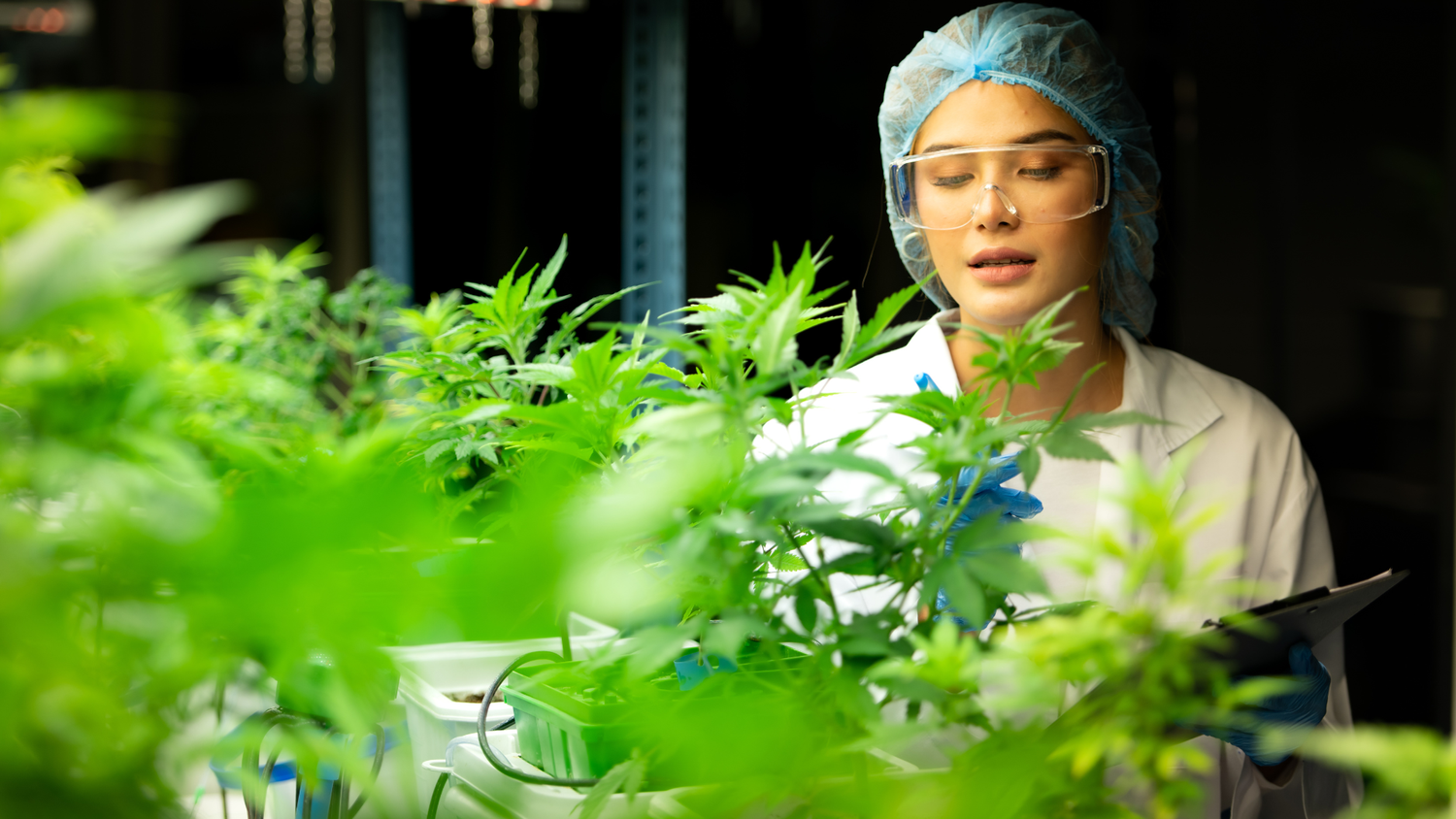
Cannabis Plant Overview
Cannabis, also known as marijuana, is a plant species that belongs to the Cannabaceae family. It is an annual flowering plant with distinct characteristics, such as serrated leaves, a strong aroma, and dense buds. The plant has two main subspecies, Cannabis sativa and Cannabis indica, and a hybrid of the two, Cannabis ruderalis.
Cannabis plants contain over 100 cannabinoids, including tetrahydrocannabinol (THC) and cannabidiol (CBD), which are the most well-known and studied. THC is the psychoactive compound responsible for the "high" associated with cannabis consumption, while CBD is non-psychoactive and is commonly used for its therapeutic benefits.
Cannabis plants can be grown in a variety of environments, including indoor and outdoor settings. The cultivation process involves planting cannabis seeds or clones, providing adequate nutrients and lighting, and monitoring the plants' growth and development. The plant's growth cycle can take between three to six months, depending on the strain and growing conditions.
The cannabis plant is versatile and can be consumed in various forms, such as smoking, vaping, edibles, tinctures, and topicals. It has a wide range of potential therapeutic benefits, including pain relief, anxiety reduction, and anti-inflammatory properties. However, it is important to note that cannabis can also have negative side effects, and its use should be approached with caution and under the guidance of a healthcare professional.
Origins of Cannabis
Cannabis, also known as marijuana, has a long and fascinating history that dates back to ancient times. The exact origin of the cannabis plant is not clear, but it is believed to have originated in Central Asia and the Indian subcontinent. The earliest recorded use of cannabis dates back to 5000 BCE in China, where the plant was used for both medicinal and recreational purposes.
Throughout history, cannabis has been used for a variety of purposes, including as a medicine, a source of fiber, a food source, and as a recreational drug. In ancient India, cannabis was used in Ayurvedic medicine to treat a range of ailments, including pain, inflammation, and digestive disorders. Cannabis was also used in religious ceremonies and as a recreational drug in India, where it was known as ganja.
Cannabis spread to other parts of the world, including the Middle East and Africa, where it was also used for medicinal and recreational purposes. The plant was introduced to Europe by the Scythians, who were a nomadic people from Central Asia, and it was used in Europe for both medicinal and industrial purposes.
In the 19th century, cannabis was widely used in the Western world as a medicine and was available in pharmacies across Europe and the United States. However, in the early 20th century, the use of cannabis was criminalized in many countries, including the United States, due to concerns over its psychoactive effects and potential for abuse.
Today, cannabis is legal for medicinal and/or recreational use in many parts of the world, and the plant is the subject of ongoing research into its potential medical benefits. The origins of cannabis are a fascinating aspect of its history, and understanding the plant's past can help us better understand its present and future uses.
Cannabis Cultivars
Cannabis cultivars, also known as strains, are distinct varieties of the cannabis plant that have been bred for specific characteristics, such as flavor, aroma, potency, and growth patterns. There are three main types of cannabis cultivars: Cannabis sativa, Cannabis indica, and Cannabis ruderalis. Each of these cultivars has its own unique traits and effects.
Cannabis sativa is a tall, narrow-leafed plant that is native to tropical regions. Sativa strains are typically known for their cerebral, uplifting effects, and are often associated with creativity, energy, and focus. Sativas are also known for their high THC content, which can range from 15% to over 20%.
Cannabis indica, on the other hand, is a shorter, bushier plant with broader leaves that originated in the Hindu Kush region of Afghanistan. Indica strains are known for their sedative, relaxing effects, and are often used to promote sleep and alleviate pain and anxiety. Indicas typically have a higher CBD content and lower THC content than sativas, with THC levels ranging from 10% to 20%.
Cannabis ruderalis is a wild strain of cannabis that is found in northern regions such as Russia and Mongolia. Ruderalis plants are small and produce very little THC, but they are prized for their auto-flowering trait, which allows them to produce buds regardless of the light cycle. Ruderalis strains are often used in breeding programs to create hybrids with other cannabis cultivars.
In addition to these three main cultivars, there are countless hybrid strains that have been developed through cross-breeding. Hybrids can have a mix of traits from both sativa and indica strains, and can be bred for specific effects, flavors, and aromas. Some popular hybrid strains include Blue Dream, Girl Scout Cookies, and Sour Diesel.
It's important for cannabis budtenders to be knowledgeable about the different cultivars and their effects in order to help customers choose the best strain for their needs. By understanding the differences between sativa, indica, and hybrid strains, as well as the unique characteristics of individual cultivars, budtenders can provide personalized recommendations and ensure a positive customer experience.
Cannabis Strains
Cannabis strains are specific varieties of the cannabis plant that have been selectively bred to have certain characteristics, such as unique flavors, aromas, and effects. These strains can be classified into three main categories: Sativa, Indica, and Hybrid.
Sativa strains are typically known for their uplifting and energizing effects, often described as cerebral or stimulating. They tend to have higher levels of THC, the primary psychoactive compound in cannabis, and lower levels of CBD, a non-psychoactive compound that has been associated with various therapeutic benefits.
Indica strains, on the other hand, are known for their relaxing and sedative effects, often described as a body high. They tend to have higher levels of CBD and lower levels of THC, although this can vary from strain to strain.
Hybrid strains are a combination of both Sativa and Indica strains, and their effects can vary depending on the specific genetics and ratios of THC and CBD. Some hybrids may lean more towards one side or the other, while others may be more balanced.
Cannabis strains can also have a wide range of flavors and aromas, including fruity, spicy, earthy, and floral notes. Some strains may even have unique flavors such as diesel, cheese, or skunk.
In addition to their effects and flavors, cannabis strains can also have various medicinal benefits. For example, some strains may be more effective for treating pain, anxiety, or inflammation, while others may be more helpful for improving mood or boosting creativity.
Overall, understanding the different cannabis strains and their unique characteristics is essential for a cannabis budtender, as it allows them to make informed recommendations to customers based on their individual needs and preferences.
Cannabis Sativa
Cannabis Sativa is one of the three main cultivars of the cannabis plant, alongside Cannabis Indica and Cannabis Ruderalis. It is a tall, thin plant that is primarily grown in warmer climates, and can grow up to 20 feet tall.
Cannabis Sativa plants are known for their uplifting and energetic effects, and are often associated with providing a "head high." They are high in THC (tetrahydrocannabinol), the primary psychoactive compound in cannabis, which is responsible for its euphoric effects. Sativa strains are typically higher in THC than other cultivars, and have lower levels of CBD (cannabidiol), which is a non-psychoactive compound that is associated with more calming and relaxing effects.
Sativa strains are often used during the day or in social settings, as they can provide a boost of energy and creativity, and can enhance social interactions. They are also commonly used to treat conditions such as depression, anxiety, and chronic pain.
Cannabis Sativa plants have long, thin leaves and are typically lighter in color than Indica plants. They also have a longer flowering time, and are often grown in outdoor settings where they can benefit from the natural sunlight. Sativa strains are known for their distinct aroma and flavor profiles, which can range from sweet and fruity to earthy and piney.
It's important to note that while Sativa strains are known for their uplifting effects, the effects of any given strain can vary depending on a number of factors, including the individual's tolerance, the method of consumption, and the specific chemical composition of the strain. As a Cannabis Budtender, it's important to have a thorough understanding of the effects of each strain, as well as the individual needs and preferences of your customers, in order to provide the best possible recommendations.
Cannabis Indica
Cannabis Indica is one of the two primary species of the cannabis plant, alongside Cannabis Sativa. It is a short, bushy plant that originated in the Hindu Kush mountains of Afghanistan, Pakistan, and northern India. Indica strains are known for their relaxing and sedative effects, making them popular for nighttime use and for medicinal purposes.
Indica plants have wider and darker leaves than Sativa plants and tend to grow shorter and bushier. They also have a shorter flowering period, typically between 8 to 12 weeks, which makes them popular among growers. Indica plants are well-suited for indoor growing because they have a shorter stature, which allows for more efficient use of space.
In terms of chemical composition, Indica strains are characterized by their high levels of cannabidiol (CBD) and lower levels of tetrahydrocannabinol (THC), the psychoactive compound responsible for the "high" associated with cannabis use. Indica strains also contain other cannabinoids and terpenes that contribute to their unique effects and flavors.
The effects of Indica strains are typically described as relaxing, calming, and body-focused. They are often used for pain relief, anxiety, insomnia, and stress. Indica strains are also known for their appetite-stimulating effects, which make them popular for medicinal use among cancer patients and those suffering from eating disorders.
Some popular Indica strains include Granddaddy Purple, Northern Lights, Bubba Kush, and Purple Kush. Each of these strains has its own unique combination of cannabinoids and terpenes, which contribute to their distinct effects and flavors. As a cannabis budtender, it is important to be knowledgeable about the differences between Indica and Sativa strains, as well as the different effects and benefits associated with each.
Cannabis Hybrids
Cannabis hybrids are a combination of cannabis sativa and cannabis indica plants. They are created by crossbreeding different strains to produce offspring with desirable traits from both parent plants. Hybrids can have a wide range of effects, depending on the specific genetics of the strain.
Hybrids are usually categorized as indica-dominant, sativa-dominant, or balanced. Indica-dominant hybrids typically have more sedative effects, while sativa-dominant hybrids tend to be more uplifting and energizing. Balanced hybrids aim to provide a combination of both types of effects.
The specific effects of a hybrid strain can also depend on the terpene profile of the plant. Terpenes are aromatic compounds found in plants, and different combinations of terpenes can produce different effects. For example, strains with high levels of the terpene myrcene are often associated with sedative effects, while strains with high levels of limonene may have more uplifting effects.
Hybrids can be further classified based on their lineage. For example, a strain that is a cross between two indica-dominant plants might be referred to as an indica hybrid. Similarly, a strain that is a cross between two sativa-dominant plants might be called a sativa hybrid.
It's important for cannabis budtenders to understand the characteristics of different hybrid strains in order to help customers find the right product for their needs. They should also be able to provide guidance on dosing and consumption methods based on the specific effects of the strain.
Cannabis Ruderalis
Cannabis Ruderalis is a subspecies of the Cannabis plant that is native to Central and Eastern Europe, Russia, and parts of Asia. It is the smallest of the three main subspecies of Cannabis and has a short, bushy appearance with thin leaves. Unlike Cannabis Sativa and Cannabis Indica, which are photoperiod-dependent, meaning they require specific amounts of light and darkness to trigger their flowering cycle, Cannabis Ruderalis is an auto-flowering subspecies that flowers based on age rather than light exposure.
Cannabis Ruderalis is known for its relatively low levels of THC, the psychoactive compound found in Cannabis that produces the "high" sensation. Instead, it has higher levels of cannabidiol (CBD), a non-psychoactive compound that is believed to have various medicinal benefits, such as reducing inflammation, anxiety, and pain.
Due to its relatively low THC content, Cannabis Ruderalis is not commonly used for recreational purposes but is often used in breeding programs to create new hybrid strains with unique characteristics. Some of these hybrids may have higher levels of THC or CBD, depending on the specific breeding program and goals.
Cannabis Ruderalis is also sometimes used for industrial purposes, such as fiber production, due to its hardiness and adaptability to colder climates. However, its small size and low yield make it less economically viable for large-scale cultivation compared to other subspecies of Cannabis.
Overall, Cannabis Ruderalis may not be as well-known or commonly used as Cannabis Sativa and Indica, but its unique characteristics make it an important subspecies in the world of Cannabis cultivation and breeding.
 UKPRN 10092631