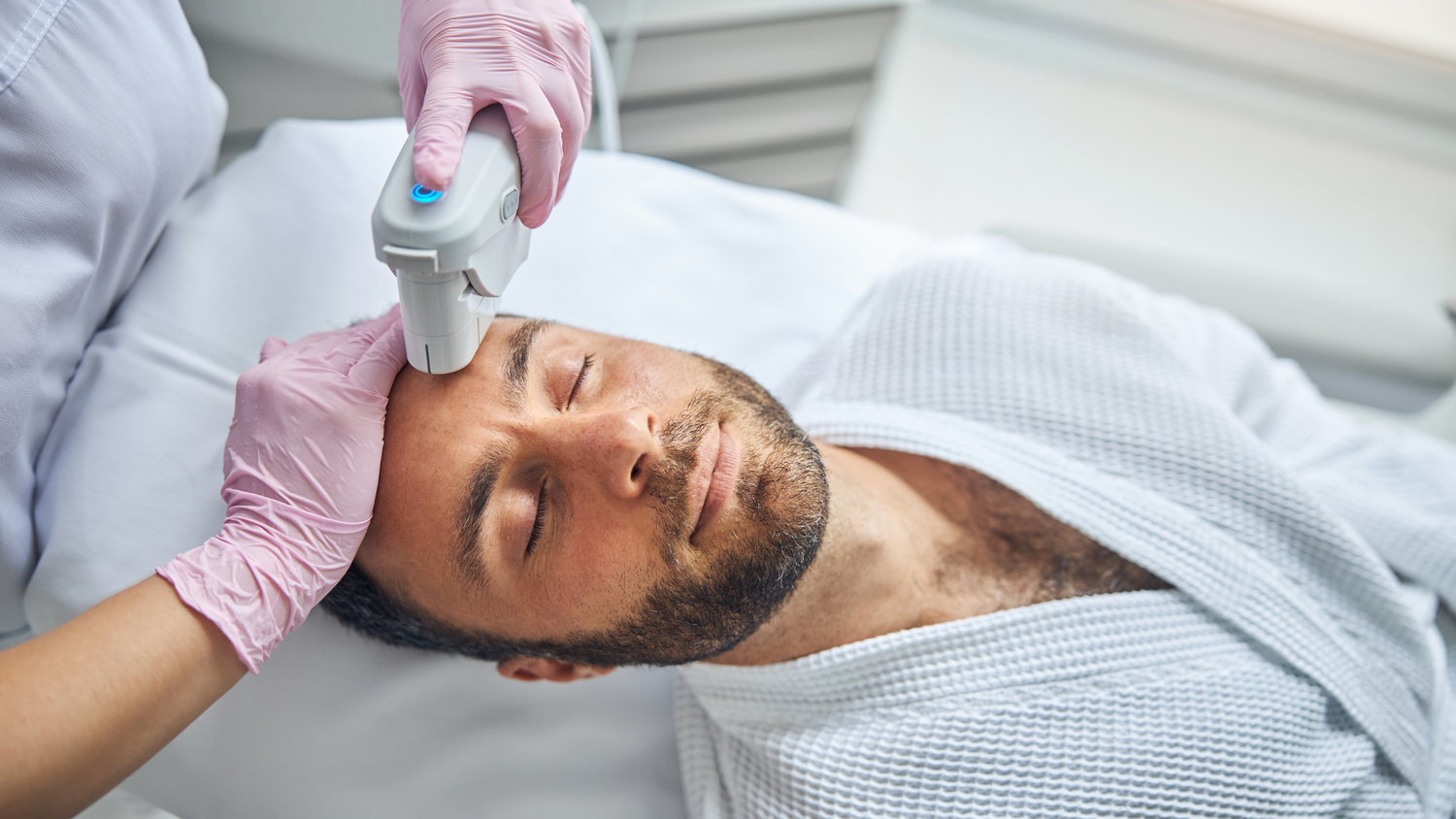
This comprehensive esthetician prep course is designed for aspiring estheticians with no prior experience and licensed professionals seeking to enhance their skills. It covers everything from the fundamentals of skincare to advanced modalities, state licensure processes, business development, and career advancement.
By the end of the course, students will have a full understanding of esthetics and be prepared to pursue licensure, excel in the field, and grow a successful esthetics career.
Legal Disclaimer: This course is for educational purposes only. It is not a state licensure program. Students are responsible for meeting individual state licensing requirements.
Course Objectives
Module 1: Introduction to Esthetics
Module 1.1: What is an Esthetician?
Introduction
An esthetician, sometimes spelled aesthetician, is a licensed skin care professional trained to perform cosmetic skin treatments. These services are designed to cleanse, beautify, and maintain the skin and are not medical procedures. Estheticians are specialists who enhance the appearance and health of the skin through non-invasive procedures.
They are trained in various techniques, from basic facials to advanced exfoliation methods like microdermabrasion and chemical peels. While they work closely with the skin, they are not medical doctors and cannot diagnose or treat medical skin conditions such as eczema or skin cancer.
Defining the Role
Addressing minor skin issues such as dryness, oiliness, acne, or aging signs through topical treatments.
Where Estheticians Work
Skills and Attributes of a Successful Esthetician
Educational Requirements
Certifications and Specializations
Beyond the basic license, estheticians can pursue certifications in:
Specializations help estheticians expand their services and cater to specific client needs, increasing their value in the marketplace.
Legal and Ethical Considerations
Career Outlook
Earning Potential: Varies based on experience, location, and specialization, but can be enhanced by offering advanced services or opening a private practice.
Summary
An esthetician is a licensed skincare professional who improves and maintains skin health and appearance through cosmetic treatments. With opportunities across spas, medical clinics, resorts, and freelance work, estheticians enjoy a dynamic, growing career field. Success requires not only technical skill but also business acumen, interpersonal excellence, and a commitment to ongoing education and ethical practice.
Module 1.2: Overview of the Esthetics Industry
Introduction
The esthetics industry is a vibrant and dynamic sector of the beauty and wellness field, dedicated to improving and maintaining the health and appearance of the skin. It spans a wide range of services, technologies, and career opportunities, offering estheticians various pathways for professional growth. As consumer demand for skincare services and products continues to rise, esthetics has evolved into a multifaceted industry with both traditional and cutting-edge practices.
The Evolution of the Esthetics Industry
Key Sectors within the Esthetics Industry
Emerging Trends in the Esthetics Industry
Regulatory Environment
Economic Impact
Professional Organizations
Summary
The esthetics industry is a diverse, rapidly growing field with historical roots and a future driven by technology, inclusivity, and wellness integration. With opportunities spanning day spas, medical esthetics, education, and product development, estheticians can find multiple career pathways. Staying current with trends, maintaining licensure, and focusing on client-centered service are key to thriving in this evolving industry.
Module 1.3: Career Paths: Spa Esthetician, Medical Esthetician, Freelance, and More
Introduction
The beauty of an esthetician career lies in its flexibility and range of opportunities. Licensed estheticians can specialize in a variety of fields, tailoring their careers to match their interests, skills, and lifestyle goals. Understanding the different career paths helps estheticians make informed decisions about their professional development and find a niche where they can thrive.
1. Spa Esthetician
2. Medical Esthetician
Note: Some states restrict medical treatments to licensed medical personnel; estheticians must understand their local scope of practice.
3. Freelance Esthetician
4. Esthetician Educator
5. Brand Representative/Product Specialist
6. Resort and Cruise Ship Esthetician
7. Esthetics Entrepreneur
Summary
The esthetics field offers diverse career paths, each with its own set of rewards and challenges. Whether working in a luxurious spa, a fast-paced medical environment, or building a personal brand as a freelance esthetician or entrepreneur, there are abundant opportunities to match every skill set and interest. Careful consideration of career goals, lifestyle preferences, and required skills can guide estheticians toward a fulfilling and successful career.
Module 1.4: Scope of Practice: What Estheticians Can and Cannot Do
Introduction
Understanding the scope of practice is crucial for estheticians. It defines the boundaries within which they can legally operate based on their licensure and training. Each state has specific rules governing what estheticians can and cannot do, and crossing these boundaries can result in legal penalties, loss of licensure, and harm to clients.
While estheticians perform essential skin treatments, they must operate within their professional limits to ensure client safety and uphold ethical standards.
What Estheticians Can Do
Important: These services must be non-invasive and cosmetic in nature.
What Estheticians Cannot Do
Procedures that break the skin’s barrier (e.g., injections, microneedling at medical depths, laser treatments in some states) are often restricted to licensed medical professionals.
State-by-State Variations
Note: Always check with your state board to ensure compliance with current laws and regulations.
Legal and Ethical Best Practices
Summary
An esthetician’s scope of practice is limited to cosmetic treatments that do not penetrate the skin or address medical concerns. Understanding these boundaries protects both the esthetician and the client. Remaining educated, compliant, and ethical ensures a safe, respected, and successful esthetic career.
Module 1.5: Understanding State Board Regulations and Requirements
Introduction
Every practicing esthetician in the United States must adhere to the rules and regulations set by their individual state board of cosmetology (or equivalent regulatory agency). These boards ensure that estheticians meet educational standards, uphold health and safety laws, and maintain ethical practices to protect public welfare.
Understanding these requirements is critical for both aspiring and practicing estheticians, as non-compliance can result in fines, license suspension, or revocation.
The Role of State Boards
Typical State Requirements for Licensure
Education:
Completion of a state-approved esthetics program.
Hours vary by state (commonly 300–1500 hours).
Examinations:
Written (theory) exam: Tests knowledge of skin care, safety, and professional standards.
Practical (hands-on) exam: Demonstrates competency in basic esthetic skills.
Age and Education Prerequisites:
Minimum age (often 16-18 years old).
High school certification or GED (varies by state).
Application and Fees:
Submission of application for licensure.
Payment of licensing and examination fees.
Background Check (in some states):
Some states require a criminal background check.
Continuing Education (CE) and License Renewal
Sanitation and Health Regulations
Penalties for non-compliance can include fines, suspension, mandatory training, or license revocation.
Reciprocity and License Transfer
Note: Reciprocity is not automatic—each case is reviewed individually.
Advanced Licensing: Master Esthetician
Common Missteps to Avoid
How to Stay Compliant
Resources for Estheticians
Summary
Navigating state board regulations is a critical part of an esthetician’s career. From licensure and continuing education to sanitation standards and scope of practice, understanding and complying with these regulations protects both the esthetician and their clients. Ongoing diligence ensures a long, successful, and legally compliant career.
Module 1.6: How to Research Your State’s Licensing Process
Introduction
Each state in the U.S. has its own licensing requirements for estheticians. Understanding how to research and navigate your specific state’s licensing process is crucial to beginning your career legally and successfully.
The process involves more than just attending school—it includes knowing application procedures, fees, examinations, and any continuing education requirements. A proactive approach ensures you meet all criteria and avoid delays or rejections.
Step-by-Step Guide to Researching Your State’s Licensing Process
1. Identify the Correct Regulatory Body
2. Review Licensure Requirements
3. Find Approved Schools or Apprenticeship Programs
4. Understand the Application Process
5. Know the Exam Details
6. Check Reciprocity Policies
7. Understand License Renewal and Continuing Education
8. Stay Updated
Tips for Successful Research
Sample Resources
Summary
Researching your state’s licensing process is a critical step in your journey to becoming an esthetician. From identifying the regulatory agency to understanding exam and renewal requirements, diligent research ensures that you meet all legal requirements and avoid costly mistakes. Accurate, proactive research is the foundation of a compliant and successful esthetics career.
 UKPRN 10092631