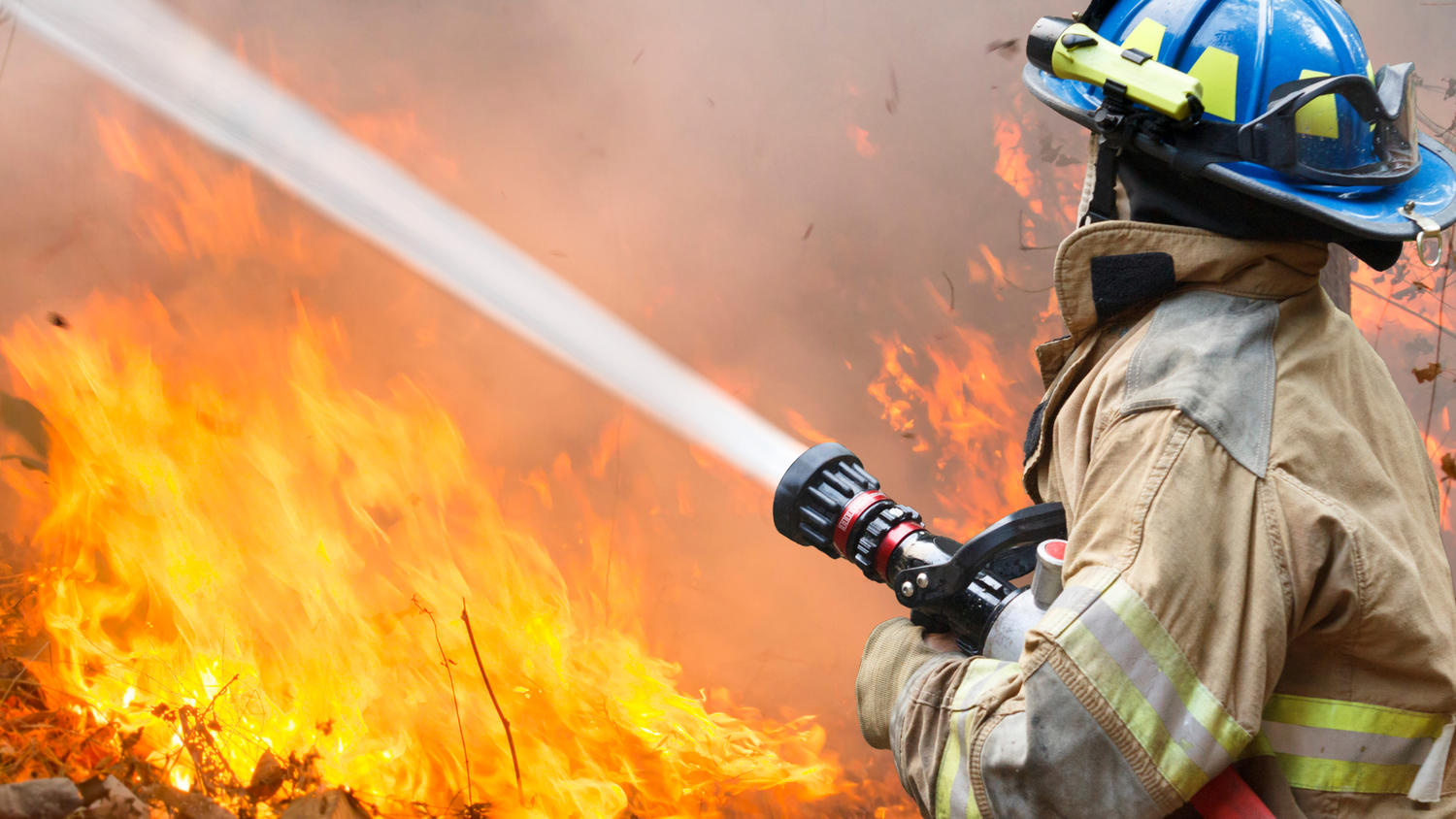
Module 1.1: What Is Firefighting?
Introduction
Firefighting is more than just battling flames—it is a profession rooted in public service, science, physical endurance, and mental toughness. It involves a wide range of activities, from emergency response to fire prevention, rescue operations, public education, and disaster management. Firefighting requires an understanding of fire behavior, an ability to work under extreme conditions, and a dedication to saving lives and protecting property.
Defining Firefighting
At its core, firefighting is the act of extinguishing uncontrolled fires and protecting life, property, and the environment. Firefighters respond not only to structure fires but also to vehicle fires, wildfires, chemical spills, medical emergencies, and technical rescues.
Key Elements of Firefighting:
A Historical Perspective
Firefighting has ancient roots. Organized firefighting dates back to:
Modern firefighting continues to evolve with new technologies, materials, and techniques.
Core Functions of Firefighting
1. Fire Suppression
The primary function of a firefighter is to extinguish fires. This involves:
Understanding different classes of fire (A, B, C, D, K).
2. Rescue Operations
Firefighters often rescue individuals from burning buildings, car accidents, or hazardous environments. This can involve:
3. Emergency Medical Services (EMS)
Many fire departments are the first responders to medical emergencies. Firefighters are frequently trained as Emergency Medical Technicians (EMTs) or Paramedics.
4. Hazardous Materials Response
Responding to chemical spills, gas leaks, and biological threats requires specialized training and equipment to mitigate risks and decontaminate affected areas.
5. Public Education and Fire Prevention
Firefighters conduct community outreach programs to educate the public on fire safety practices and disaster preparedness.
6. Disaster Response
Firefighters assist in large-scale disasters like earthquakes, hurricanes, and terrorist attacks.
The Science Behind Firefighting
Firefighting is deeply rooted in science—particularly physics and chemistry. Firefighters must understand:
Skills Required to Be a Firefighter
Physical Strength and Stamina: Firefighting requires lifting, climbing, dragging, and operating heavy equipment.
Firefighting as a Career
Firefighting is not just a job—it’s a calling. It requires:
The Broader Impact of Firefighters
Firefighters contribute to community resilience and public trust. They:
Conclusion
Firefighting encompasses a broad and complex set of skills and responsibilities. It demands physical prowess, mental acuity, and an unwavering dedication to serving others. Understanding what firefighting truly entails lays the groundwork for everything that follows in this course.
Module 1.2: The Firefighter’s Mission and Code of Ethics
Introduction
Firefighting is not just a technical profession—it is a calling bound by duty, integrity, and a profound commitment to public service. A firefighter’s mission is rooted in service above self, often involving personal risk to save lives, protect property, and serve communities. To guide their conduct, firefighters adhere to a professional Code of Ethics that outlines expectations for behavior on and off duty.
Understanding the mission and ethical obligations is foundational to becoming a respected and effective firefighter.
The Mission of a Firefighter
Core Mission Statement
To save lives, protect property, and serve the community with courage, compassion, and integrity.
Mission Components
Life Safety:
Primary mission is to save lives—both civilian and fellow responders.
Includes fire suppression, emergency medical response, and rescue operations.
Incident Stabilization:
Preventing a situation from getting worse.
Applying technical knowledge and teamwork to contain emergencies.
Property Conservation:
Minimizing damage through tactical fire suppression, salvage operations, and quick response.
Public Education and Prevention:
Engaging with the community to prevent emergencies.
Conducting fire safety inspections and educational programs.
Environmental Protection:
Mitigating environmental hazards, including hazardous material spills and wildfire management.
Support of Community Resilience:
Assisting in rebuilding and recovery after disasters.
Providing aid and support beyond immediate emergency response.
Why Mission Matters
The mission acts as the firefighter’s compass, especially under high-stress, high-risk conditions where decisions must be made rapidly and ethically.
Firefighter Code of Ethics
What Is a Code of Ethics?
A Code of Ethics is a formal document that outlines the moral obligations and principles that guide a firefighter’s conduct.
The National Society of Fire Service Instructors and other fire organizations have developed standard ethical codes, often adopted and adapted by individual departments.
Core Principles of the Firefighter’s Code of Ethics
Service Before Self
Firefighters put the needs of others before their own.
Upholding public trust by being selfless in action and attitude.
Integrity
Being honest and transparent in all actions.
Upholding the public’s confidence by acting ethically, even when unobserved.
Accountability
Taking responsibility for actions.
Acknowledging mistakes and striving for continuous improvement.
Respect
Treating all individuals—victims, colleagues, and community members—with dignity.
Being culturally sensitive and inclusive.
Compassion
Showing empathy and kindness.
Providing comfort to victims and families during traumatic incidents.
Courage
Facing dangerous and uncertain situations with bravery.
Being willing to act despite personal risk.
Professionalism
Maintaining high standards of conduct, appearance, and competence.
Acting as a role model within and outside the department.
Confidentiality
Respecting the privacy of individuals and protecting sensitive information.
Teamwork
Valuing the contributions of others.
Working collaboratively to achieve common goals.
Commitment to Excellence
Constantly striving for improvement through training and education.
Embracing best practices and innovations.
Real-World Applications of the Code
Oath of a Firefighter
Many fire departments have formal oaths recited during academy graduations or swearing-in ceremonies. While wording may vary, oaths typically include pledges to:
Example Firefighter’s Oath:
"I solemnly swear to uphold the mission of the fire service, to save lives and protect property, to act with courage and integrity, and to serve all members of the community with fairness and compassion, placing service before self."
Violations of the Code of Ethics
Failure to adhere to the Code of Ethics can result in:
Ethical lapses, such as dishonesty or insubordination, can have far-reaching consequences beyond the individual firefighter, affecting the entire department’s reputation.
Upholding the Code in Everyday Actions
Conclusion
Understanding and embracing the mission and ethical responsibilities of the fire service is not optional—it is a fundamental part of being a firefighter. Firefighters must live these values every day to maintain the trust and confidence of the public they serve.
Module 1.3: A Day in the Life of a Firefighter
Introduction
Firefighting is a profession of unpredictability, discipline, and readiness. No two days are alike. Firefighters must be prepared for emergencies at any moment while maintaining a structured daily routine that ensures readiness, fosters team cohesion, and reinforces skills.
Understanding a typical day in the life of a firefighter provides crucial insight into the demands, responsibilities, and lifestyle commitments required of those entering the fire service.
The Structure of a Firefighter’s Day
Most firefighters work in shifts that differ from conventional 9-to-5 jobs. Common shift patterns include:
Fire stations operate 24/7, and schedules are designed to ensure constant coverage.
Shift Change (0700 Hours)
Firefighters typically begin their day with a shift change at 7:00 AM:
Readiness checks are crucial—a malfunction in gear or apparatus can mean the difference between life and death.
Morning Duties (0800-1000 Hours)
Training is continuous. Firefighters are expected to maintain proficiency and adapt to new techniques and equipment.
Community Engagement (1000-1200 Hours)
Firefighters are key figures in promoting fire prevention and safety awareness.
Lunch and Downtime (1200-1300 Hours)
Firefighters often cook and eat meals together, fostering camaraderie. Nutrition is important to maintain the physical demands of the job.
Even during meals, firefighters must be prepared to respond immediately if an emergency call comes in.
Emergency Response (Anytime)
Emergencies are unpredictable. Firefighters must be prepared to drop everything and respond within seconds.
Typical Calls Include:
Response routines involve:
At the scene:
After an incident, firefighters conduct rehab operations:
Physical Fitness Training (1400-1600 Hours)
Maintaining peak physical condition is a job requirement:
Firefighters’ lives and the lives of others depend on their physical fitness.
Evening Duties (1600-1800 Hours)
Dinner and Relaxation (1800-2200 Hours)
Firefighters may share a communal dinner and engage in light activities:
However, they remain on alert for emergency calls at all times.
Overnight (2200-0700 Hours)
Fire stations have dormitory facilities to accommodate overnight shifts.
Behind the Scenes
Beyond responding to emergencies, firefighters engage in:
Lifestyle Impacts
Being a firefighter is more than a job—it’s a lifestyle:
Many departments offer support resources:
Conclusion
A day in the life of a firefighter blends routine discipline with unpredictable action. Firefighters must balance maintenance, training, and public engagement with the ever-present readiness to respond to emergencies. Those entering the profession must be prepared for the physical demands, emotional challenges, and team-oriented environment that define the fire service.
Module 1.4: Types of Fire Services: Municipal, Wildland, Industrial, Volunteer
Introduction
Fire services are not one-size-fits-all. Across different environments and industries, firefighting roles, responsibilities, and risks vary significantly. Understanding the different types of fire services helps future firefighters recognize the range of career paths available and the specialized training and expertise each type requires.
In this section, we will explore Municipal, Wildland, Industrial, and Volunteer fire services in depth.
1. Municipal Fire Services
Overview
Municipal fire departments are city- or town-run services responsible for responding to a wide range of emergencies within their jurisdiction. They are the most common and often the most visible type of fire service.
Key Responsibilities
Municipal firefighters are tasked with handling structure fires, vehicle accidents, emergency medical responses, hazardous materials incidents, technical rescues, and fire prevention education and inspections.
Structure
Municipal departments are typically staffed by career firefighters who are full-time, salaried employees. The departments have a hierarchical command structure led by fire chiefs and officers. The apparatus used includes engines, ladder trucks, ambulances, rescue units, and hazardous materials units.
Training and Certification
Firefighters in municipal departments are generally required to earn Firefighter I and II certifications, adhering to NFPA 1001 standards. Many are also required to have EMT or Paramedic certifications. Ongoing education includes specialized training in areas like high-rise firefighting, technical rescues, and fire inspections.
Advantages
Municipal fire departments offer stable employment with benefits, opportunities for specialization, and clear promotional pathways.
Challenges
Municipal firefighters face high call volumes, the complexities of urban hazards like high-rise fires, and must manage political and community relations that can influence department operations.
2. Wildland Fire Services
Overview
Wildland firefighters specialize in combating fires that occur in forests, grasslands, and other natural settings. These fires can rapidly escalate, threatening ecosystems, wildlife, and human communities.
Key Responsibilities
Wildland firefighters suppress fires in natural areas, conduct controlled burns, create firebreaks to prevent fire spread, engage in land management efforts, and educate the public about wildfire prevention.
Structure
Wildland fire services can be part of federal agencies like the U.S. Forest Service and Bureau of Land Management, or state forestry departments. Large wildfires often require Incident Management Teams that coordinate multi-agency efforts.
Training and Certification
Wildland firefighters must complete Basic Wildland Firefighter Training and obtain "Red Card" certification. Courses like S-130 (Firefighter Training) and S-190 (Introduction to Wildland Fire Behavior) are standard, with advanced training for roles like Crew Boss or Incident Commander.
Equipment
Fire shelters, hand tools such as Pulaskis and McLeods, chainsaws, and specialized engines capable of off-road operations are commonly used. Aerial support includes helicopters and air tankers.
Advantages
Wildland firefighting offers a unique and challenging outdoor work environment, travel opportunities, and seasonal employment for those entering the field.
Challenges
The work is physically demanding, involving long shifts and rugged terrain. The environment can be unpredictable, with rapidly changing weather and difficult access to fire sites. Seasonal employment can limit long-term job security.
3. Industrial Fire Services
Overview
Industrial firefighting units protect high-risk environments like oil refineries, chemical plants, manufacturing facilities, airports, and nuclear power plants. They manage specialized fire risks inherent to these industries.
Key Responsibilities
Industrial firefighters are tasked with suppressing fires in industrial settings, responding to hazardous materials incidents, conducting facility inspections, and providing fire safety training to employees.
Structure
These services are often private fire departments funded and operated by corporations. Emergency Response Teams, staffed by employees trained in firefighting and rescue, also form an integral part of many industrial settings.
Training and Certification
Personnel typically earn Industrial Firefighter Certification under NFPA 1081 standards and often require HazMat Technician Certification. They are trained in specialized fire suppression techniques, including the use of foam systems and high-expansion foam. For airport firefighters, Aircraft Rescue and Firefighting (ARFF) certification is common.
Equipment
Industrial firefighters use specialized PPE designed for chemical protection, fixed suppression systems like sprinklers and foam deluge systems, fire monitors, and high-volume pumps.
Advantages
Industrial firefighting often offers higher pay and focuses on highly specialized skills. Schedules are generally more regular than traditional fire service shift work.
Challenges
Despite fewer calls, emergencies tend to be high-consequence and require continuous specialized training. The high-risk environments demand constant vigilance.
4. Volunteer Fire Services
Overview
Volunteer fire departments serve communities that cannot fund full-time fire services, often in rural or small-town settings. Volunteers provide critical emergency services to their communities.
Key Responsibilities
Volunteer firefighters respond to structure fires, emergency medical calls, rescue operations, and engage in public education efforts.
Structure
Volunteer departments are typically led by a volunteer fire chief and staffed by individuals who donate their time. Some areas utilize combination departments where career firefighters work alongside volunteers.
Training and Certification
Volunteers often receive training equivalent to career firefighters, earning Firefighter I and II certifications and frequently obtaining EMT credentials. Regular drills and classes maintain their skills.
Advantages
Volunteer firefighting offers the opportunity for meaningful community service, flexible schedules, and serves as an entry point for those interested in a firefighting career.
Challenges
Volunteer departments often operate with limited budgets and varying response times. Volunteers must balance firefighting duties with their personal and professional lives.
Summary of Differences
Municipal fire services typically operate in urban and suburban environments, offering full-time careers focused on a broad range of emergency responses. Wildland firefighters work primarily in forests and rural areas, focusing on wildfire suppression and ecological management, often in a seasonal capacity. Industrial firefighters protect specialized high-risk facilities, requiring focused training and offering competitive compensation. Volunteer firefighters serve rural communities on a part-time basis, providing vital emergency services where career departments are not feasible.
Conclusion
Understanding the different types of fire services allows aspiring firefighters to make informed decisions about their career paths. Whether serving a bustling city, combating wildfires, protecting industrial assets, or volunteering in a hometown, each fire service plays a critical role in public safety.
Aspiring firefighters should consider the environment they wish to work in, the types of emergencies they are passionate about addressing, and the lifestyle each role demands.
 UKPRN 10092631