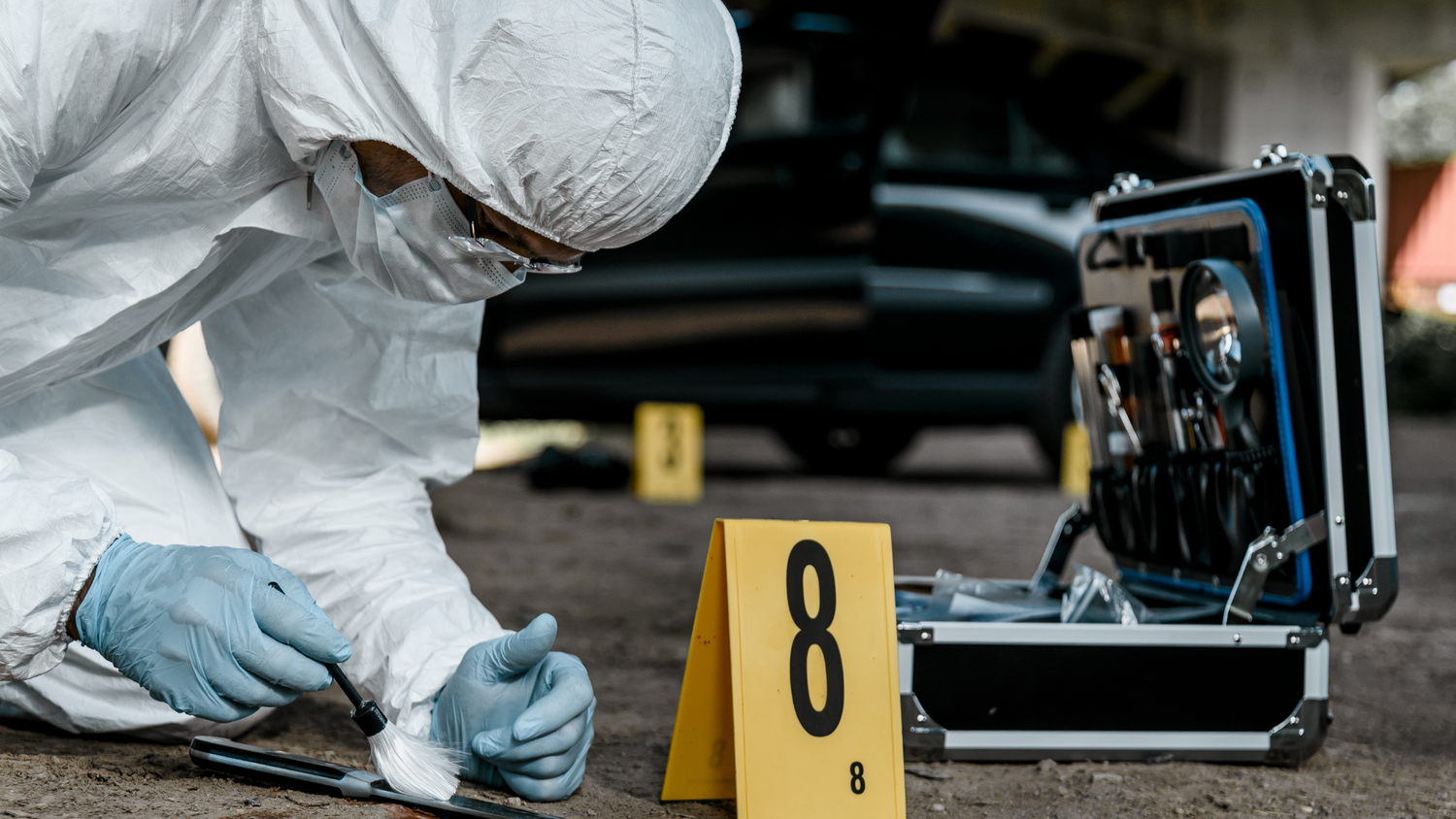
Introduction to forensic sciences and basic principles
Forensic science is the application of scientific principles and techniques to the investigation of criminal and civil legal cases. It involves the collection, analysis, and interpretation of physical and biological evidence in order to reconstruct events and help determine the facts of a case. The field of forensic science encompasses a wide range of disciplines, including forensic pathology, toxicology, DNA analysis, firearms and toolmark examination, document examination, and many others.
The basic principles of forensic science include the need for accuracy, precision, and objectivity in the collection and analysis of evidence. Forensic scientists must be highly trained and skilled in their respective disciplines, and they must adhere to strict protocols and procedures in order to ensure that their results are reliable and admissible in court.
One of the key principles of forensic science is the concept of the "chain of custody," which refers to the documentation and tracking of evidence from the time it is collected until it is presented in court. This ensures that the integrity of the evidence is maintained and that it has not been tampered with or contaminated in any way.
Forensic science also relies heavily on the use of technology, including sophisticated laboratory equipment and computer software. Forensic scientists must stay up-to-date with the latest developments in their field and constantly seek out new methods and techniques to improve their analyses.
Overall, the goal of forensic science is to provide objective, scientific evidence that can help to establish the guilt or innocence of a suspect or help to resolve civil disputes. The principles of forensic science are designed to ensure that the evidence collected and analyzed is accurate, reliable, and admissible in a court of law.
Special areas and contributions of the forensic sciences
Forensic science encompasses a wide range of specialties and sub-disciplines that contribute to the investigation of legal cases. Some of the key special areas of forensic science include:
Forensic pathology: This field involves the examination of deceased individuals to determine the cause and manner of death. Forensic pathologists use autopsy techniques to collect and analyze physical evidence, including injuries, tissues, and fluids, to help determine how a person died.
Forensic toxicology: This field involves the analysis of bodily fluids and tissues to detect the presence of drugs, alcohol, and other toxins that may have contributed to a person's death or impaired their judgment in a criminal case.
Forensic DNA analysis: This field involves the analysis of DNA samples to help identify suspects or establish a connection between individuals and a crime scene. DNA analysis is often used in cases where there is no other physical evidence available.
Forensic anthropology: This field involves the examination of human remains to determine the age, sex, and other characteristics of the deceased. Forensic anthropologists also use their knowledge of skeletal anatomy to help determine the cause and manner of death.
Forensic odontology: This field involves the examination of dental evidence, such as bite marks and teeth, to help identify suspects or victims in a criminal case.
Forensic entomology: This field involves the study of insects to help determine the time of death in a homicide case.
Forensic document examination: This field involves the analysis of handwriting, ink, paper, and other materials to help determine the authenticity of documents or to identify forgeries.
These are just a few examples of the special areas of forensic science that contribute to the investigation of legal cases. Forensic science plays an important role in helping to establish the facts of a case and ensuring that justice is served. The contributions of forensic scientists have led to the exoneration of innocent individuals, the conviction of guilty parties, and the resolution of civil disputes.
Development of medico-legal investigation
Medico-legal investigation, also known as forensic medicine, is the application of medical knowledge to legal issues, particularly in the investigation of criminal cases. The development of medico-legal investigation can be traced back to the ancient civilizations of Egypt, Greece, and Rome, where medical examiners were called upon to determine the cause of death in suspicious cases.
During the Middle Ages, medical examiners became more prominent, and the first recorded autopsy was performed in the 13th century. However, it was not until the 19th century that forensic medicine became a recognized specialty, with the establishment of forensic laboratories and the adoption of standardized procedures for the examination of physical evidence.
One of the most important developments in the history of medico-legal investigation was the advent of toxicology, the study of the effects of poisons on the human body. In the mid-19th century, the first tests for detecting poisons in bodily fluids were developed, and toxicology became an essential tool in the investigation of suspicious deaths.
Another important development was the creation of the concept of "cause of death," which refers to the underlying medical condition or injury that ultimately led to a person's death. This concept was first introduced by the French physician Paul Brouardel in the late 19th century and has since become a cornerstone of medico-legal investigation.
Today, medico-legal investigation is a highly specialized field that encompasses a wide range of disciplines, including forensic pathology, forensic toxicology, forensic DNA analysis, and many others. Medico-legal investigators work closely with law enforcement officials, attorneys, and other forensic specialists to collect and analyze physical evidence, conduct autopsies, and provide expert testimony in court.
Overall, the development of medico-legal investigation has played a crucial role in the investigation of criminal cases and the administration of justice. The field continues to evolve and adapt to new technologies and techniques, ensuring that forensic science remains a vital component of the legal system.
Forensic pathology and toxicology
Forensic pathology and toxicology are two important sub-disciplines within the field of forensic science that deal with the examination of human remains and bodily fluids in order to determine the cause and manner of death, as well as the presence of drugs, alcohol, and other toxins that may have played a role in the death.
Forensic pathology involves the examination of the deceased person's body to determine the cause of death. The forensic pathologist will conduct a thorough physical examination of the body, looking for signs of injury or trauma, as well as any underlying medical conditions that may have contributed to the death. The pathologist will also take samples of bodily fluids and tissues, such as blood, urine, and tissue samples, for further analysis.
Forensic toxicology, on the other hand, involves the analysis of bodily fluids and tissues for the presence of drugs, alcohol, and other toxins that may have played a role in the death. The toxicologist will use a variety of analytical techniques, such as gas chromatography and mass spectrometry, to detect and quantify these substances in the body.
The results of forensic pathology and toxicology examinations can be crucial in determining the cause and manner of death, as well as in providing evidence in criminal investigations. For example, if the toxicology report shows that the deceased had high levels of alcohol or drugs in their system, this may indicate that they were under the influence at the time of their death, which could be relevant in a criminal case.
Forensic pathologists and toxicologists must be highly trained and skilled in their field, with specialized knowledge in areas such as anatomy, pharmacology, and biochemistry. They must also be familiar with legal procedures and the rules of evidence, as they are often called upon to provide expert testimony in court.
Overall, forensic pathology and toxicology play a vital role in the investigation of criminal cases, helping to establish the facts of a case and ensure that justice is served.
 UKPRN 10092631