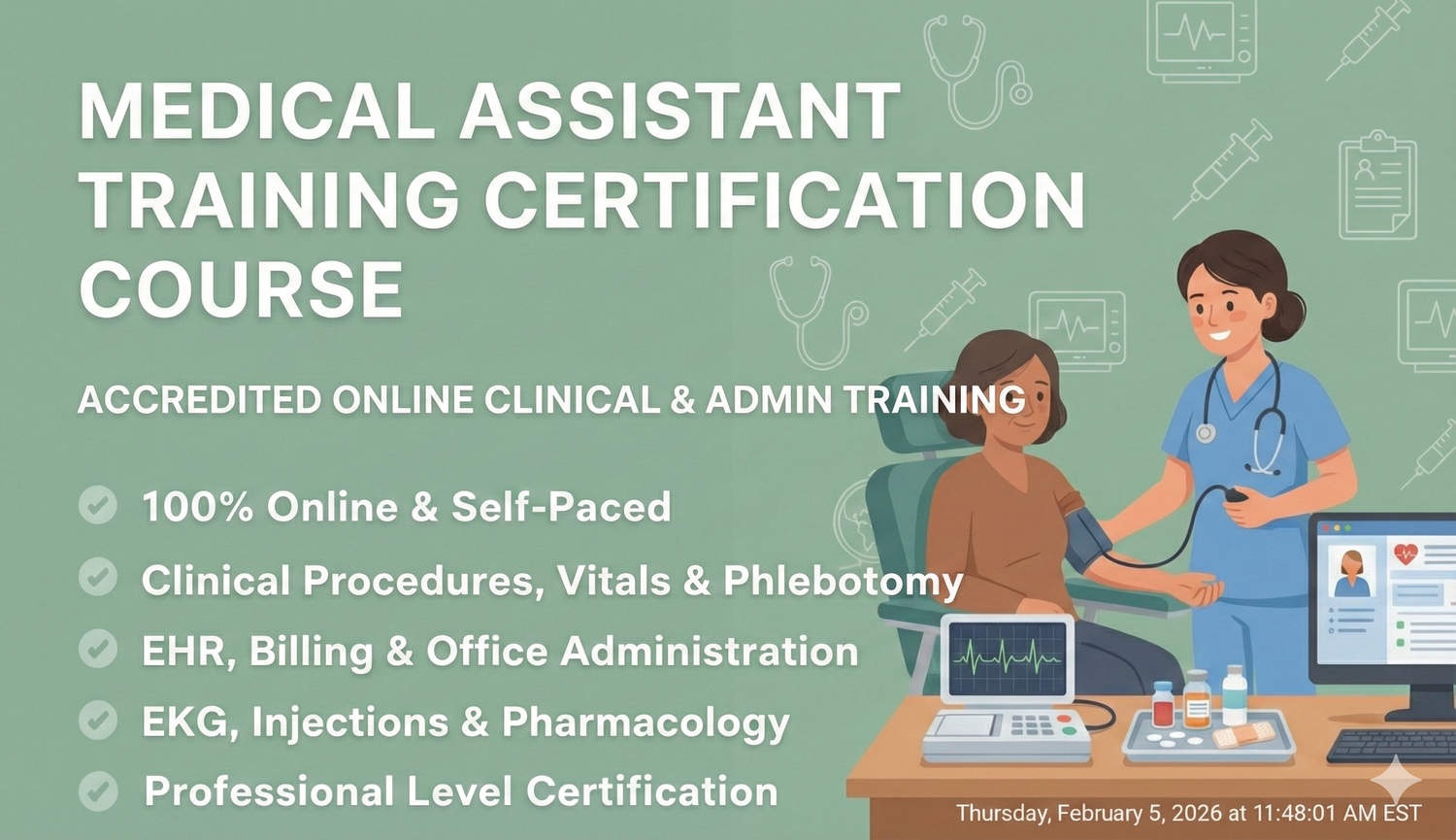
Medical assistants are essential healthcare professionals who support both the clinical and administrative operations of medical facilities. They function as the connective tissue between patients, providers, and healthcare systems. While their specific duties vary by setting, employer, and state regulations, the core purpose of the medical assistant role remains consistent: to ensure safe, efficient, organized, and patient-centered care delivery. Understanding what a medical assistant does on a daily basis is critical because every task—no matter how routine—directly affects patient outcomes, provider efficiency, legal compliance, and overall clinic performance.
At the most fundamental level, a medical assistant’s responsibilities fall into two broad categories: clinical support and administrative support. Many medical assistants perform a hybrid role that blends both areas throughout the day. Unlike physicians or nurses, medical assistants do not diagnose conditions, prescribe medications, or make independent clinical decisions. Instead, they carry out delegated tasks under provider supervision and within clearly defined scope-of-practice boundaries. Mastery of these responsibilities requires not only technical skill but also professional judgment, attention to detail, and strong interpersonal communication.
The Role of the Medical Assistant in the Healthcare System
Medical assistants work in physician offices, outpatient clinics, specialty practices, urgent care centers, ambulatory surgery centers, and other non-inpatient healthcare environments. In these settings, they serve as the first and last point of contact for many patients. This positions the medical assistant as a key contributor to patient experience, safety, and continuity of care.
Healthcare today operates on efficiency, documentation accuracy, and coordinated workflows. Providers rely heavily on medical assistants to prepare patients, collect accurate information, perform routine clinical tasks, document findings, and manage the logistical flow of the day. Without competent medical assistants, providers would be forced to divide their attention between clinical decision-making and basic operational tasks, reducing both productivity and quality of care.
Medical assistants must therefore understand not only what tasks they perform, but why those tasks matter. A missed allergy during intake, an incorrectly recorded blood pressure, or an unlabeled specimen can have serious consequences. For this reason, medical assisting is not an entry-level “helper” role—it is a skilled healthcare position requiring training, accountability, and professionalism.
Core Clinical Responsibilities of the Medical Assistant
Clinical responsibilities form a significant portion of the medical assistant’s role. These tasks are hands-on and patient-facing, requiring both technical precision and interpersonal sensitivity. One of the first clinical duties medical assistants perform is patient rooming. This involves verifying patient identity using approved identifiers, escorting the patient to the exam room, ensuring privacy, and initiating the intake process.
During intake, medical assistants collect and document essential patient information, including the chief complaint, medical history, surgical history, medication lists, allergies, and relevant social history. This information provides the foundation for provider decision-making. Accuracy and completeness are critical, as providers rely on this data to assess risk, determine diagnoses, and plan treatment.
Vital sign measurement is another core responsibility. Medical assistants routinely measure temperature, pulse, respiration, blood pressure, height, weight, body mass index, and oxygen saturation. These measurements must be taken using proper technique and documented accurately, as abnormal values may signal underlying conditions requiring immediate attention. Medical assistants must also recognize when vital signs fall outside normal ranges and know when to escalate concerns to the provider promptly.
In many practices, medical assistants assist with or perform routine clinical procedures. These may include preparing patients for examinations, setting up instruments and supplies, assisting providers during procedures, performing basic wound care support, collecting specimens for laboratory testing, conducting point-of-care tests, administering injections where permitted, and performing electrocardiograms. Each of these tasks requires adherence to infection control standards, proper documentation, and strict compliance with clinic protocols.
Medical assistants are also responsible for patient education within their scope. This may include explaining procedures, providing instructions for specimen collection, reinforcing provider instructions, and offering guidance on follow-up steps. Effective education improves patient compliance and reduces errors, making communication skills just as important as technical abilities.
Core Administrative Responsibilities of the Medical Assistant
Administrative responsibilities ensure that the clinical side of healthcare can function smoothly. In some practices, medical assistants work primarily in administrative roles, while in others they rotate between front office and back office duties. Administrative tasks often begin with patient scheduling, appointment confirmations, and managing phone communications.
Medical assistants frequently handle check-in and check-out processes, which involve verifying patient demographics, collecting insurance information, confirming eligibility, and obtaining required forms and consents. Accuracy at this stage is essential, as errors can lead to billing issues, claim denials, and patient dissatisfaction.
Documentation plays a major role in administrative work. Medical assistants enter and manage information within electronic health record systems, ensuring that patient charts are complete, organized, and up to date. This includes documenting intake information, updating medication lists, recording test results, processing referrals, and handling prescription refill requests under provider direction.
In many settings, medical assistants assist with insurance-related tasks such as prior authorizations, referrals to specialists, and coordination of diagnostic testing. While they do not make coverage decisions, they must understand insurance workflows well enough to facilitate timely patient care.
Payment collection and financial communication may also fall within the medical assistant’s responsibilities. This includes collecting copays, explaining basic billing statements, and directing patients to appropriate billing resources. Professionalism and sensitivity are essential during financial discussions, as these interactions can be stressful for patients.
Understanding the Daily Workflow of a Medical Assistant
The daily workflow of a medical assistant follows a structured yet dynamic pattern that adapts to patient needs, provider schedules, and unexpected events. A typical day often begins before patients arrive. Medical assistants may review the day’s schedule, prepare exam rooms, ensure supplies are stocked, verify equipment functionality, and review patient charts for upcoming visits.
As patients arrive, medical assistants manage intake and rooming processes, balancing efficiency with thoroughness. Throughout the day, they move between rooms, update charts, assist providers, perform procedures, and communicate with other team members. Time management is critical, as delays in one area can disrupt the entire schedule.
Medical assistants must also handle interruptions and urgent situations. Walk-in patients, abnormal test results, equipment issues, and patient emergencies require adaptability and calm decision-making. Knowing when to pause routine tasks and escalate concerns is a vital professional skill.
The end of the day involves closing tasks such as restocking rooms, cleaning and disinfecting equipment, finalizing documentation, processing outstanding messages, and preparing for the next day’s schedule. A well-organized close ensures continuity of care and reduces errors.
Professional Expectations and Accountability
Every task performed by a medical assistant carries professional and legal accountability. Medical assistants are expected to follow established protocols, respect patient confidentiality, maintain professional boundaries, and communicate clearly with providers and patients. Errors must be reported promptly, not hidden, as transparency is essential to patient safety and legal compliance.
Medical assistants must also recognize the limits of their role. Performing tasks outside of scope, even with good intentions, can result in serious legal and ethical consequences. Understanding delegation, supervision, and accountability is therefore foundational to safe practice.
In modern healthcare, medical assistants are not simply task-doers—they are integral members of the care team whose performance directly influences outcomes, efficiency, and patient trust. Mastery of core responsibilities and workflow lays the groundwork for all advanced skills developed throughout this course.
 UKPRN 10092631