Welcome to our Animal CPR course.
This course was made to give you the basics of Animal CPR as well as giving the ability to give first aid in necessary situations.
First Aid Equipment
The following is a useful checklist of all the things that should be included in the first aid kit for your pet:
· Gauze rolls
· Fabric for making bandages, ideally of the kind that can stretch and adhere to itself rather than sticking to your pet's fur.
· Non-stick gauze squares
· Saline flush
· Medical tape (to secure gauze or bandages)
· Non-latex disposable gloves
· Antiseptic towelettes with povidone and iodine
· Ice pack ready to use
· Benadryl (diphenhydramine) 25mg tablets (not the kind with decongestant)
· Scissors for bandages (for cutting bandages, gauze, tape, and safely removing bandages from your pet etc.)
· Tweezers are useful for removing fleas, ticks, and other parasites from the hair of your pet.
· Hydrogen peroxide
· Ointment or spray containing antibiotics (for cuts, sores, skin rashes, etc.)
· A digital rectal thermometer (the temperature of a pet should not go over 102 degrees Fahrenheit or below 98 degrees Fahrenheit).
· Syringes (to deliver liquid medicine or wash out wounds) (to administer liquid medication or flush out wounds)
Register with a vet
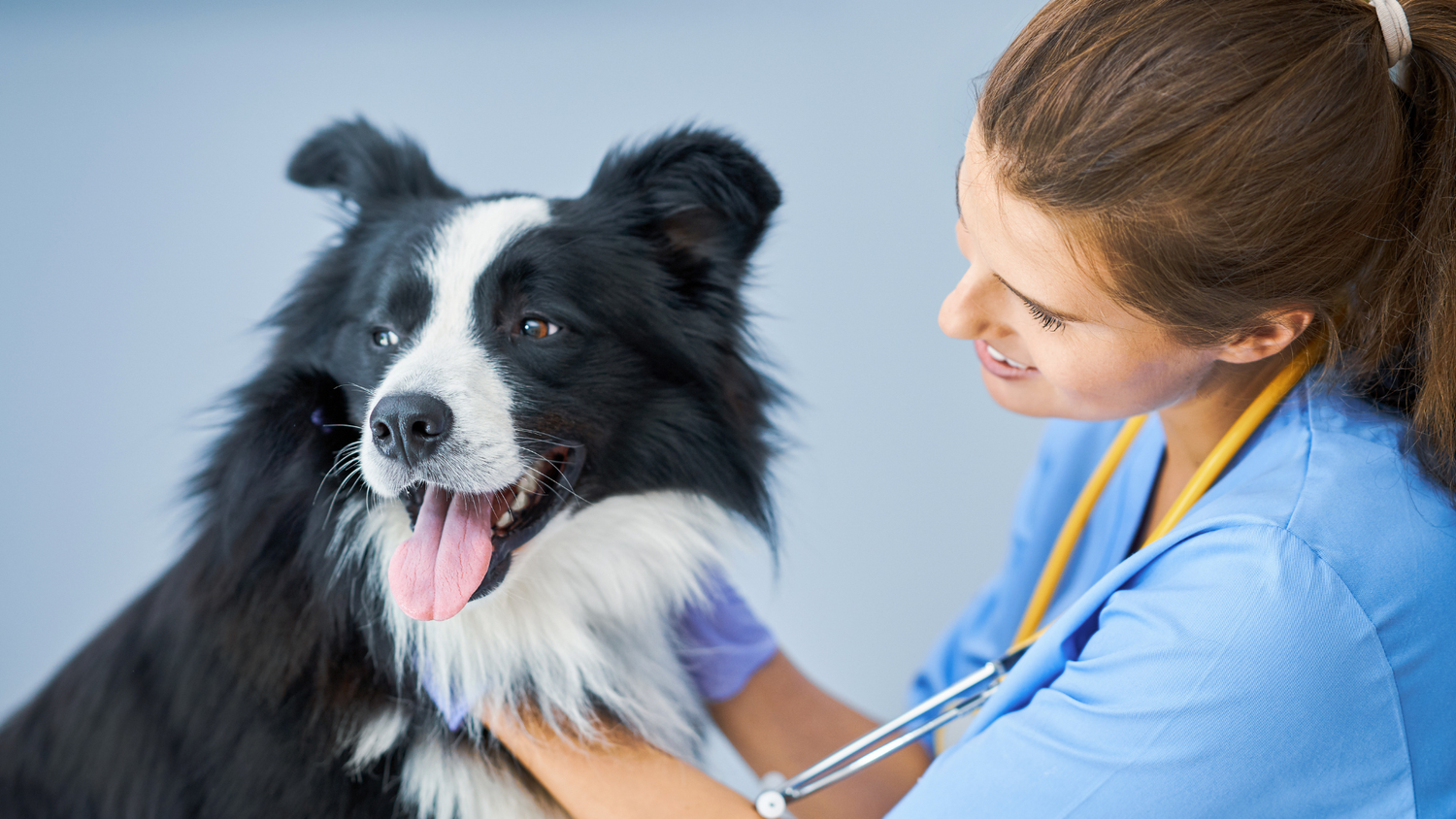
Exceptional veterinary care, preventative medicine, and vigilant owners who recognize the first indications of sickness have contributed to the improved longevity and health of today's dogs. Given the care that pet owners pay for their animals, isn't it prudent to take your time finding a vet who will look after their health? Veterinarians are a vital part of any healthy family, so it's important to choose one with the same care and consideration as you would a physician or dentist. Consider the things that mean the most to you.
Things to think about when choosing a vet include proximity to home or work, availability during emergency situations, ease of making payments, and a comprehensive menu of services. Some pet owners place a premium on the dedication and friendliness of the employees and veterinarians. The finest doctor for your pet is the one with whom you can form a trusting, long-term relationship based on mutual respect and open communication about your pet's health. Your chosen veterinarian will keep a permanent record of your pet's health, including not just illnesses, surgeries, and drug responses, but also preventative treatment (such as immunizations, heartworm test results and preventive meds, deworming, and monitoring your pet's weight). Based on your pet's specific requirements and illness risks, he or she will also recommend a preventative care regimen to help keep your pet healthy.
Safe use of medication
Prescription medications for animals fall within the category of pharmaceuticals that may only be legally administered by or on the direction of a licensed veterinarian, as defined by federal law. Medicine manufacturers must include the warning "Caution: Federal legislation limits this drug to use by or on the instruction of a licensed veterinarian" on the labels of veterinary pharmaceuticals.
Prescription medications for animals include warning labels specifying that they should only be administered by or on the advice of a vet. Only in the context of a doctor-patient relationship may prescription medications for animals be used or prescribed (VCPR).
Reporting incidents of unprescribed sales or usage of prescription medications to the appropriate state government and the U.S. We have the FDA to thank for that. When determining a course of therapy for a patient, veterinarians must use their best judgment in light of current medical knowledge and applicable federal, state, and municipal rules and regulations. Prescription medications for animals need to be clearly labeled before they may be given out. Accurate documentation of all prescriptions and medical procedures must be kept. Only the minimum amount of a veterinary prescription medicament that is needed to treat, control, or prevent the illness or condition in the animal(s) for which the drug is being issued should be given to the animal(s). Don't do anything that might lead to drug abuse, such as getting refills on medicines repeatedly. The same level of oversight should be applied to human prescription pharmaceuticals that are used off-label as is done with veterinary prescription drugs.
The safe way to make a pet vomit
· Feed your dog a tiny bit of food or treats if he hasn't eaten in a while. Some canines are more prone to throwing up after eating.
· Hydrogen peroxide 3% should be given orally to your dog at a rate of 1/2 to 1 teaspoon for every 10 pounds of body weight. If your dog weighs 50 pounds, then give it 2.5-5 tablespoons of fluids. For optimal results, use a plastic dosing syringe or turkey baster to administer the medicine, but you may also just hold out your dog's lip and spoon the medicine into its mouth.
· Wait for your dog to vomit while you stay with him. After administering a dosage, it's also beneficial to take your dog on a walk and maybe even have him jump around a little. This action often induces vomiting.
· It is recommended to provide a second dosage of hydrogen peroxide if your dog has not vomited within 10 minutes. If a second dosage doesn't make him throw up, you should take him to the vet so they can give him something stronger to make him sick.
· If you're able to induce vomiting in your dog, be sure to remove him from the area before cleaning up the mess. Most canines will gladly consume anything they have just regurgitated. In certain cases, your vet may request that you bring a jar of the vomit for analysis.
 UKPRN 10092631