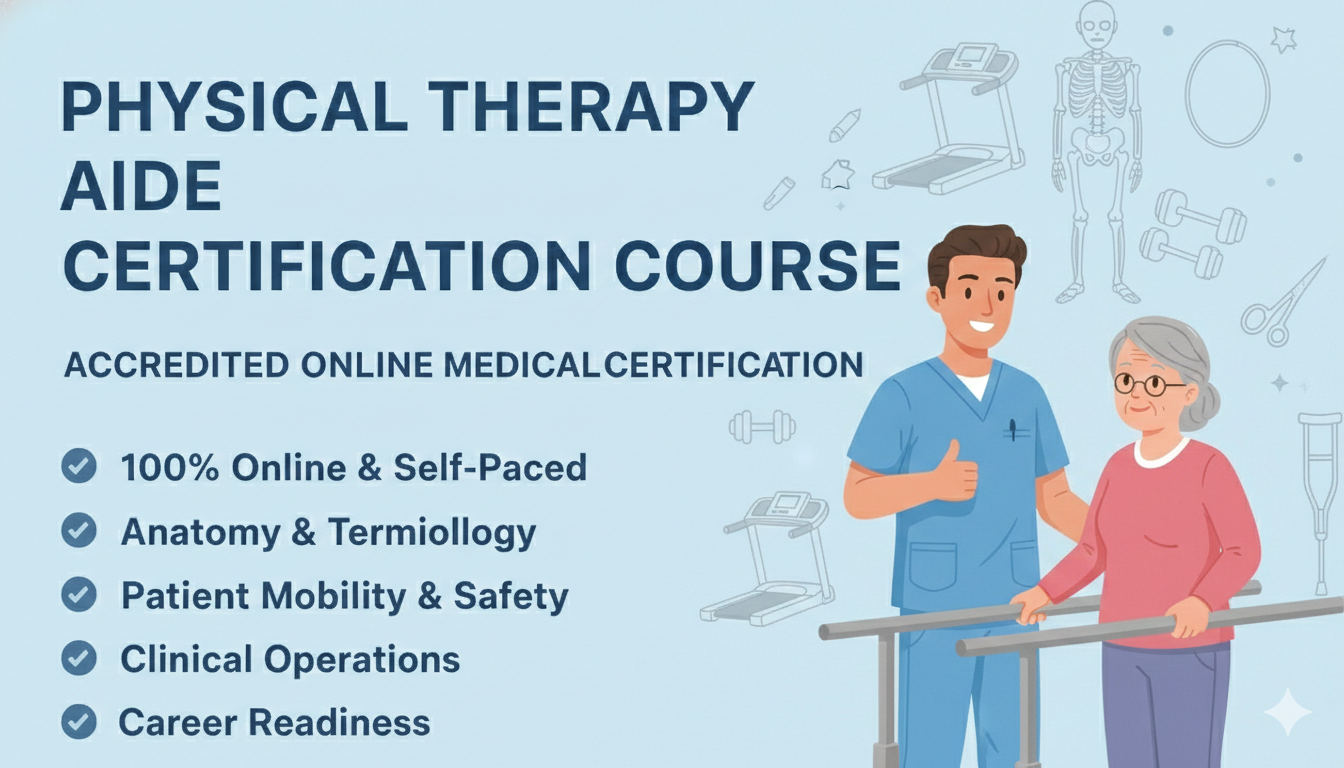
Physical therapy is a healthcare profession centered on restoring, maintaining, and optimizing human movement, function, and quality of life. At its core, physical therapy addresses how the body moves, how movement is limited by injury or illness, and how safe, structured intervention can help individuals regain independence, reduce pain, and prevent future injury. Unlike medical fields that primarily focus on diagnosing disease or prescribing medication, physical therapy focuses on functional ability—how well a person can move, perform daily tasks, work, and participate in life.
Physical therapy is grounded in science, anatomy, physiology, biomechanics, and evidence-based practice. Every treatment plan developed by a licensed Physical Therapist (PT) is designed to meet specific functional goals based on the patient’s condition, limitations, and personal needs. These goals may include improving strength, increasing range of motion, restoring balance, retraining movement patterns, improving endurance, or reducing pain and inflammation. Physical therapy is not limited to recovery after injury; it also plays a critical role in prevention, chronic condition management, and long-term functional maintenance.
The ultimate goal of physical therapy is functional independence. This means helping patients move safely and effectively in their daily lives—walking, climbing stairs, lifting objects, returning to work, caring for themselves, and participating in recreational activities. Physical therapy aims to reduce reliance on assistive devices, prevent secondary complications, and empower patients through education and movement-based strategies. For some patients, success may mean returning to competitive athletics; for others, it may simply mean standing up without assistance or walking safely across a room.
Physical therapy also emphasizes patient education. Patients are taught how their condition affects their movement, what activities are safe or unsafe, and how to manage symptoms outside the clinic. Education may include posture awareness, body mechanics, activity modification, and home exercise programs prescribed by the PT. This educational component is essential because physical therapy is most effective when patients actively participate in their recovery rather than relying solely on in-clinic treatments.
Physical therapy services are delivered across a wide range of healthcare and community settings. Outpatient physical therapy clinics are among the most common environments where PT services are provided. These clinics typically treat patients who are able to travel to appointments and participate actively in exercise-based rehabilitation. Conditions commonly treated in outpatient clinics include orthopedic injuries, post-surgical rehabilitation, chronic pain, sports injuries, and repetitive strain conditions. The outpatient setting is fast-paced, highly structured, and focused on progressive improvement over time.
Inpatient hospital settings represent another major area where physical therapy is practiced. In these environments, patients are often acutely ill, post-surgical, or medically complex. Physical therapy in hospitals focuses on early mobilization, preventing complications such as deconditioning or blood clots, and preparing patients for safe discharge. Therapy sessions may be shorter, more medically monitored, and highly coordinated with nursing staff and physicians. Physical Therapy Aides working in hospital-affiliated therapy departments must be especially attentive to safety protocols, infection control, and communication with the healthcare team.
Rehabilitation hospitals and inpatient rehab units specialize in intensive physical therapy for patients recovering from significant injuries or illnesses, such as strokes, spinal cord injuries, traumatic brain injuries, or major orthopedic surgeries. These settings provide multiple therapy sessions per day and focus on regaining functional independence. Patients in these environments may require close supervision, adaptive equipment, and specialized mobility training. The rehab environment is structured, goal-driven, and highly interdisciplinary.
Skilled nursing facilities and long-term care facilities also employ physical therapy services. Patients in these settings are often older adults or individuals with chronic conditions who require ongoing care. Physical therapy in these environments emphasizes mobility maintenance, fall prevention, pain management, and preserving functional abilities. Therapy sessions may be adapted to account for fatigue, cognitive impairment, or medical complexity. Physical Therapy Aides in these settings play a key role in supporting safe environments and efficient clinic operations.
Home health physical therapy brings services directly into the patient’s home. This setting serves individuals who are unable to travel due to medical, mobility, or safety limitations. Home-based therapy focuses on functional tasks specific to the patient’s living environment, such as navigating stairs, transferring in and out of bed, or moving safely in confined spaces. While Physical Therapy Aides are less commonly used in home health settings, understanding this care model is important for appreciating the full scope of the profession.
Physical therapy is also present in specialized environments such as sports medicine clinics, industrial rehabilitation centers, pediatric therapy centers, and wellness or performance facilities. Sports and orthopedic clinics may focus on high-level physical performance, injury prevention, and return-to-sport programs. Pediatric physical therapy settings address developmental delays, congenital conditions, and motor skill development in children. Each setting requires unique adaptations in communication style, equipment use, and safety awareness.
The patient populations served by physical therapy are extremely diverse. Physical therapy treats individuals across the entire lifespan, from infants to older adults. Pediatric patients may receive therapy for developmental delays, neurological conditions, or congenital abnormalities. Adult patients may seek therapy following injury, surgery, or illness. Geriatric patients often receive physical therapy to address balance issues, strength loss, arthritis, or fall risk. Each population presents unique physical, emotional, and communication needs that shape how therapy is delivered.
Orthopedic patients make up a large portion of physical therapy caseloads. These patients may be recovering from fractures, joint replacements, ligament injuries, or chronic musculoskeletal pain. Therapy for orthopedic patients often focuses on restoring strength, mobility, joint stability, and functional movement. Neurologic patients include individuals recovering from strokes, spinal cord injuries, multiple sclerosis, Parkinson’s disease, or traumatic brain injuries. Therapy for these patients emphasizes motor control, balance, coordination, and safety.
Cardiopulmonary patients receive physical therapy to improve endurance, breathing efficiency, and activity tolerance. These individuals may have conditions such as heart disease, chronic obstructive pulmonary disease, or post-surgical cardiothoracic recovery needs. Physical therapy for these patients is carefully monitored and emphasizes gradual progression and safety. Physical Therapy Aides must be aware that these patients may fatigue easily and require closer observation.
Chronic pain patients represent another significant group in physical therapy. These individuals may experience long-term pain conditions that affect movement, posture, and quality of life. Physical therapy for chronic pain focuses on movement retraining, gradual exposure to activity, and patient education. Emotional and psychological factors often play a role, requiring patience, consistency, and compassionate support from the entire rehab team.
Understanding what physical therapy is—and what it is not—is essential for a Physical Therapy Aide. Physical therapy is a skilled healthcare service delivered by licensed professionals, guided by evaluation, diagnosis, and clinical judgment. Aides do not diagnose conditions, design treatment plans, or make independent clinical decisions. However, aides are a critical part of the physical therapy environment. By understanding the goals, settings, and patient populations of physical therapy, aides are better prepared to support safe, effective, and professional care.
A strong foundational understanding of physical therapy allows the aide to anticipate clinic needs, recognize patient limitations, and communicate effectively with both patients and clinicians. This foundational knowledge is the first step in becoming a reliable, competent, and trusted member of the rehabilitation team.
 UKPRN 10092631