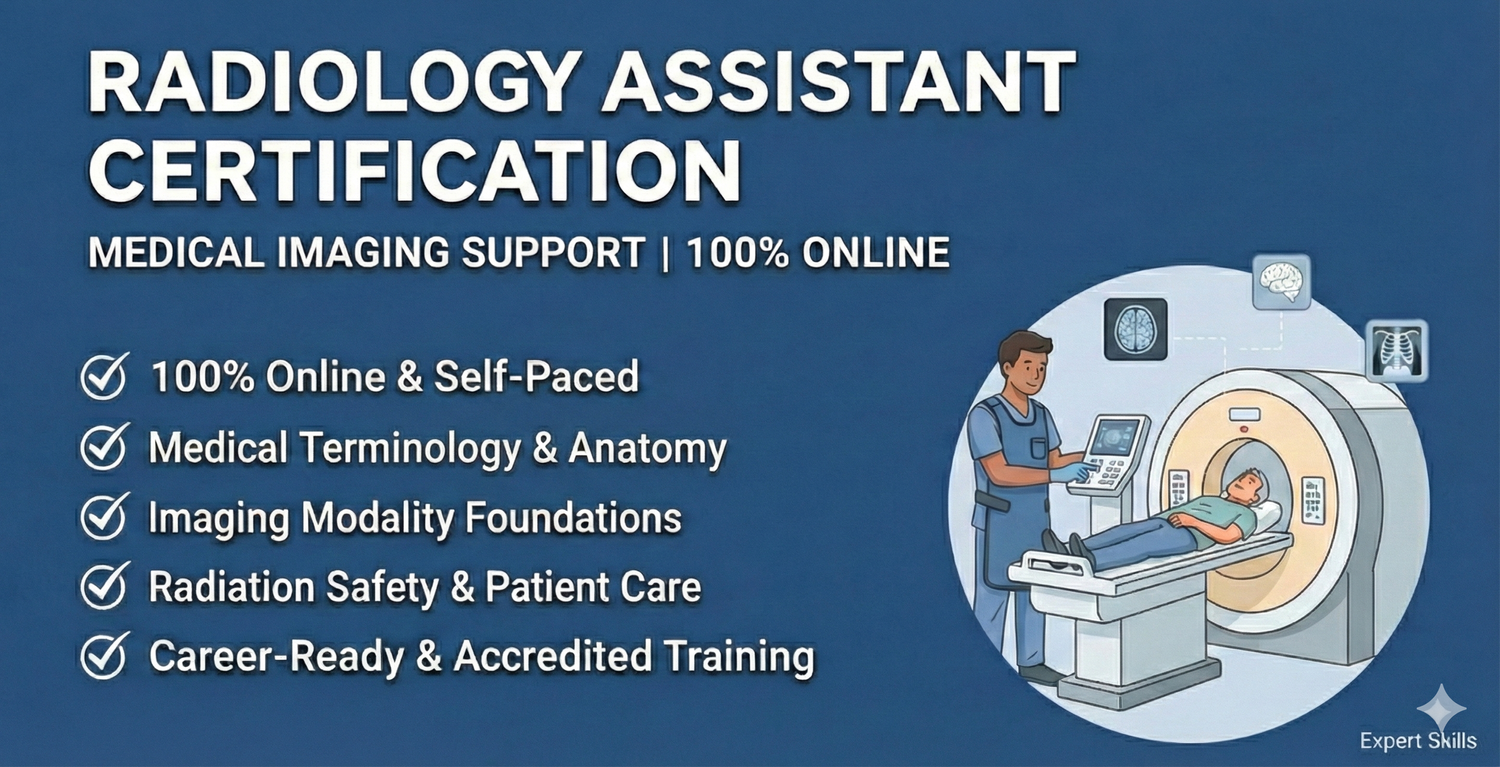
The role of the radiology assistant exists to support the safe, efficient, and patient-centered delivery of medical imaging services. While the title may sound simple, the responsibilities attached to it are complex, detail-driven, and deeply integrated into the functioning of the imaging department. A radiology assistant is not merely “helping out” in radiology; they are a critical operational link between patients, technologists, radiologists, nurses, and the broader healthcare system. Understanding this role clearly from the beginning is essential, because success in this profession depends less on isolated tasks and more on mastering workflow, judgment, communication, and safety awareness.
At its core, a radiology assistant ensures that imaging procedures run smoothly from the moment a patient is scheduled until the patient safely leaves the department. This includes preparing patients physically and emotionally, verifying critical information, supporting technologists during imaging procedures, maintaining safety standards, and ensuring accurate documentation and communication throughout the process. The assistant must understand not only what to do, but why each step exists, and what risks arise when steps are skipped or done incorrectly.
The Purpose of the Radiology Assistant Role
Medical imaging is a high-volume, high-risk environment. Imaging departments handle large numbers of patients every day, many of whom are ill, injured, anxious, in pain, or unable to communicate clearly. Imaging also involves radiation exposure, powerful magnetic fields, contrast agents, invasive procedures, and strict regulatory requirements. Because of this, imaging teams rely on clearly defined roles to maintain safety, accuracy, and efficiency.
The radiology assistant’s purpose is to reduce the cognitive and physical burden on technologists and radiologists by handling essential support tasks that require vigilance, organization, and patient interaction. By doing so, assistants help prevent errors, reduce delays, improve patient experience, and allow licensed imaging professionals to focus on image acquisition, interpretation, and clinical decision-making.
Importantly, radiology assistants operate within defined scope boundaries. They do not independently perform diagnostic imaging or interpret results. Instead, they function as trained support professionals who understand imaging workflows deeply enough to anticipate needs, identify problems early, and escalate concerns appropriately.
Core Responsibility Categories
Although daily tasks vary by facility, modality, and patient population, the responsibilities of a radiology assistant consistently fall into several core categories: patient interaction and preparation, workflow coordination, safety support, procedural assistance, documentation support, and communication. Each of these areas requires both technical understanding and professional judgment.
Patient Interaction and Preparation
A significant portion of the radiology assistant’s role involves direct patient contact. Often, the assistant is one of the first imaging staff members a patient encounters. This interaction sets the tone for the entire imaging experience.
Radiology assistants greet patients, verify their identity using approved identifiers, and confirm the reason for the imaging exam. They ask standardized screening questions related to safety, such as pregnancy status, implant history, allergies, kidney function awareness, or recent procedures. They help patients change into appropriate attire, remove prohibited items, and understand what will happen during the exam.
Beyond logistics, patient preparation also involves emotional support. Many patients arrive anxious, claustrophobic, confused, or fearful. A radiology assistant must be able to explain procedures in clear, calm language without overstepping professional boundaries or providing diagnostic interpretations. This reassurance improves patient cooperation, which directly affects image quality and safety.
Workflow Coordination and Throughput Support
Imaging departments function on tight schedules. Delays in one exam can cascade through the day, affecting dozens of patients and multiple staff members. Radiology assistants play a key role in maintaining patient flow.
This includes escorting patients to and from imaging rooms, coordinating with transport teams for inpatients, ensuring rooms are ready for the next exam, and alerting technologists to patient readiness or issues. Assistants help prevent bottlenecks by identifying missing paperwork, incomplete screening, or unmet preparation requirements before they cause delays.
Effective workflow support requires situational awareness. A skilled radiology assistant constantly tracks what is happening next, what could go wrong, and what actions will keep the department moving safely and efficiently.
Safety as a Central Responsibility
Safety is not a single task in radiology—it is a constant responsibility embedded in every action. Radiology assistants contribute to safety in multiple ways, even though they may not operate imaging equipment directly.
They help enforce radiation safety principles by ensuring shielding is available, unnecessary exposures are avoided, and proper screening has occurred. In MRI environments, assistants are especially critical in preventing catastrophic incidents by enforcing strict metal screening and zone restrictions. They also support infection prevention practices, fall prevention, safe patient transfers, and emergency readiness.
Assistants must be alert to subtle warning signs: a patient becoming dizzy after contrast administration, confusion during screening questions, pain during positioning, or emotional distress escalating into panic. Recognizing these signs early and escalating them promptly can prevent serious harm.
Procedural and Modality-Specific Support
Radiology assistants often support a wide range of imaging modalities, each with unique workflows and risks. While they are not responsible for operating scanners, they must understand the procedural flow well enough to assist effectively.
For example, in CT imaging, assistants may help position patients, confirm contrast readiness, monitor patients post-injection, and assist with room turnover. In MRI, they support rigorous screening, patient coaching, hearing protection, and claustrophobia management. In ultrasound, they may assist with patient positioning and preparation. In interventional radiology, assistants support sterile awareness, supply readiness, and patient monitoring awareness without breaching sterile fields.
This versatility requires a strong foundation in imaging concepts, even at a support level. Radiology assistants must know what is normal, what is expected, and what is abnormal enough to require immediate attention.
Documentation and Information Accuracy
Although radiology assistants are not responsible for final imaging reports, they play an essential role in documentation accuracy. Errors in patient identification, exam labeling, or screening documentation can lead to wrong-patient or wrong-procedure events, which are among the most serious safety failures in healthcare.
Assistants help ensure that patient identifiers match orders, that screening questions are completed and documented correctly, and that any issues or delays are communicated and recorded according to facility policy. They may assist with documenting contrast reactions, incidents, or deviations from standard workflow.
Accuracy in documentation protects patients, staff, and the facility. It also supports legal defensibility and regulatory compliance.
Communication Within the Imaging Team
Radiology assistants function as communication hubs within the imaging department. They relay information between patients, technologists, nurses, radiologists, transport teams, and front-desk staff. This communication must be timely, clear, and professional.
Effective assistants know when to speak up, whom to notify, and how to convey information concisely. They understand escalation pathways and do not attempt to solve problems beyond their scope. For example, if a patient discloses a possible contraindication, the assistant does not make the decision independently but ensures the appropriate clinician is informed immediately.
Strong communication skills reduce misunderstandings, prevent errors, and build trust within the healthcare team.
A Typical Radiology Assistant Workday
While no two days are identical, a typical radiology assistant’s day follows a predictable rhythm. The day often begins with reviewing schedules, preparing rooms, and ensuring supplies are stocked. As patients arrive, the assistant verifies identities, completes screening, prepares patients, and escorts them to imaging areas.
Throughout the day, the assistant supports patient movement, room turnover, safety checks, and communication. They respond to unexpected situations such as late arrivals, incomplete prep, anxious patients, equipment issues, or emergent add-on exams. The day ends with ensuring documentation is complete, rooms are reset, and handoffs are properly communicated.
This rhythm requires stamina, adaptability, and consistent attention to detail.
Professional Expectations and Accountability
Radiology assistants are held to professional standards similar to other healthcare workers. Reliability, punctuality, confidentiality, respectful communication, and adherence to policy are non-negotiable. Mistakes or lapses in judgment can have serious consequences, not only for patients but for the entire imaging team.
Assistants are expected to know their role, respect boundaries, and seek guidance when unsure. Professional accountability means recognizing limitations, asking questions, and reporting concerns without fear or hesitation.
Why Mastery of This Role Matters
The radiology assistant role is often underestimated by those unfamiliar with imaging operations. In reality, it is a position that demands technical understanding, emotional intelligence, organizational skill, and safety awareness. When performed well, the assistant role dramatically improves patient experience, reduces errors, and enhances departmental efficiency.
This course is designed to take you from beginner to confident, job-ready radiology assistant by building this foundation layer by layer. Understanding what a radiology assistant does—and how each responsibility fits into the larger healthcare system—is the first critical step.
 UKPRN 10092631