1.1 What Is a Remote Tax Preparer?
A Remote Tax Preparer is a trained individual who prepares, files, and assists with tax return services for individuals or businesses without needing to meet clients in person. Instead, all communication, data exchange, document review, and submissions occur virtually—through secure digital portals, video calls, and email. Remote tax preparers can work independently, be employed by a tax preparation company, or run their own home-based business.
This career path allows flexibility, scalability, and wide-reaching client access, making it a highly attractive option for individuals seeking professional work-from-home opportunities.
Key Responsibilities of a Remote Tax Preparer:
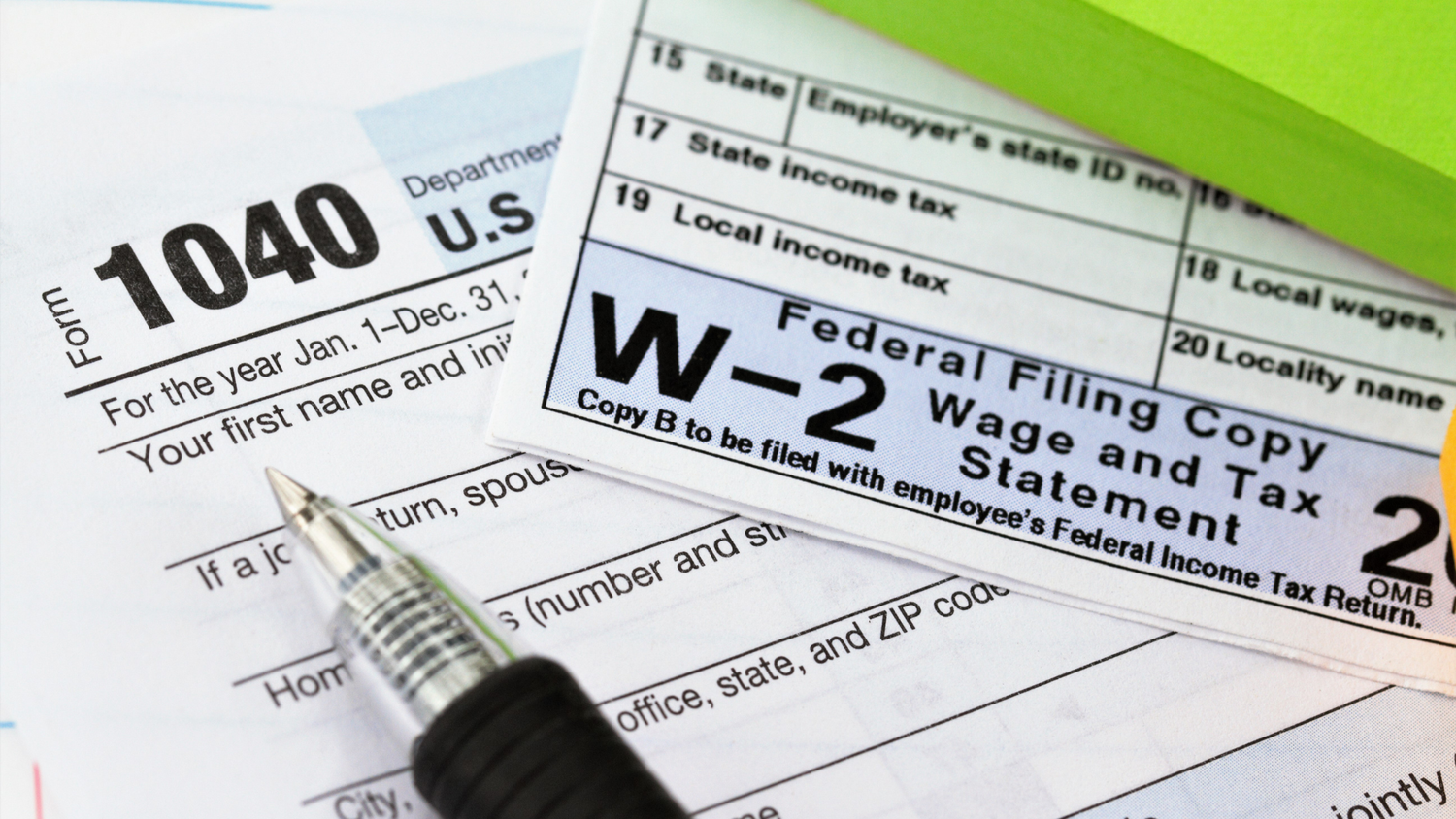
Reviewing financial documents such as W-2s, 1099s, receipts, invoices, and bank statements
What Makes the Role “Remote”?
Remote tax preparation does not require an office or physical storefront. This allows you to:
For example, you might have a virtual onboarding system where clients upload their tax documents to a secure portal, then you review, prepare, and finalize the return—all without a single in-person meeting.
Who Hires Remote Tax Preparers?
You may choose to work for a company that connects you with clients or build your own client base by offering services independently.
Do You Need Certification to Be a Remote Tax Preparer?
The IRS does not require a specific license to prepare taxes for compensation, but you must obtain a PTIN (Preparer Tax Identification Number). Some states (like CA, OR, MD, NY) have their own requirements. Later modules cover this in detail.
Though not required, completing voluntary programs such as the Annual Filing Season Program (AFSP) can boost your credibility and client trust.
You do not have to be a CPA (Certified Public Accountant) or Enrolled Agent (EA) to be a remote tax preparer, although these credentials allow for broader services such as representation before the IRS.
Skills Needed to Be Successful as a Remote Tax Preparer
You’ll also need to understand both federal and state-specific tax laws, and how to adapt your services to clients from different backgrounds and income levels.
Types of Clients You Might Serve
Each client type brings its own set of forms, deductions, and filing needs, which will be covered throughout this course.
Why Remote Tax Preparation Is in High Demand
The profession is evolving. More clients are looking for skilled, reliable tax help they can access from anywhere—and remote preparers fill that demand.
Bottom Line: A remote tax preparer is a flexible, client-focused professional who uses virtual tools to provide a traditionally in-person service. Whether you plan to freelance, work for a company, or start your own business, this career offers vast opportunity in today’s digital-first world.
1.2 Overview of the U.S. Tax System
To be an effective remote tax preparer, you need to understand how the U.S. tax system works. This section will provide an in-depth overview of the federal income tax system, how state taxes work, the role of the IRS, how taxes are collected, and who is required to file.
1.2.1 The Purpose of the U.S. Tax System
Taxes are the primary way the U.S. government funds public services like infrastructure, national defense, education, healthcare programs, and welfare assistance. Income taxes, payroll taxes (Social Security and Medicare), corporate taxes, and excise taxes all contribute to this revenue.
As a tax preparer, your job is to help individuals and businesses comply with the law while minimizing their tax liability legally and ethically.
1.2.2 The Federal Income Tax Structure
The U.S. uses a progressive tax system, meaning the more a person earns, the higher percentage of their income they pay in taxes. This is enforced through tax brackets that apply different rates to different portions of income. For example:
Taxpayers must file a Form 1040 annually to report their income, claim deductions and credits, and determine the amount owed or refunded.
1.2.3 Federal Payroll Taxes
Separate from income tax, payroll taxes include:
Self-employed individuals pay both the employee and employer portions (this is called self-employment tax and calculated using Schedule SE).
1.2.4 Who Must File a Federal Tax Return?
Filing requirements depend on income, filing status, age, and other factors. Generally, individuals must file if their gross income exceeds the standard deduction for their status (e.g., single, head of household, married filing jointly).
However, people might still file to:
1.2.5 Types of Taxpayers
There are different taxpayer categories, including:
Each has its own set of rules, forms, and deadlines. Individual tax returns (Form 1040) are the most common and the foundation of your training.
1.2.6 State Income Taxes
Not all states tax income, but most do. Some key facts:
Remote tax preparers must understand how to access each state’s forms and filing procedures. Clients may owe taxes in more than one state due to relocation, remote work, or business activity.
1.2.7 Local Taxes
Some cities and municipalities (like New York City or certain cities in Ohio) also charge income taxes. These are often based on residency or place of work. Local tax obligations vary widely and must be researched case-by-case.
1.2.8 The Role of the IRS
The Internal Revenue Service (IRS) is the federal agency responsible for:
As a tax preparer, you’ll interact with the IRS when:
1.2.9 Other Taxes to Know
While this course focuses on income tax, you should be aware of:
These aren’t filed by tax preparers in most cases, but clients may ask about them.
1.2.10 Summary
The U.S. tax system is layered, with federal, state, and sometimes local levels. Understanding how it works gives you the foundation to serve clients confidently. You don’t need to memorize every tax rule—but you do need to know where to find information, how to apply it, and how to stay compliant.
1.3 Working from Home: Tools and Expectations
As a remote tax preparer, your workspace and tools are just as important as your tax knowledge. In this section, we’ll explore the essential equipment, software, communication strategies, and productivity habits that will help you thrive in a virtual tax preparation environment.
1.3.1 Setting Up a Home Office
You do not need an elaborate setup, but your workspace should be private, organized, and professional. At a minimum, you’ll need:
Tip: Avoid working from your bed or couch. Clients may request video calls, and you’ll need to present a professional image.
1.3.2 Required Software and Digital Tools
You’ll use multiple tools to manage your work efficiently. The core software includes:
Optional but helpful tools:
1.3.3 Data Security and Privacy Expectations
Working with sensitive personal and financial data comes with legal and ethical responsibilities. You must:
Failure to protect client information can result in lawsuits, loss of reputation, and even IRS sanctions.
1.3.4 Communication with Clients
Remote work does not mean silent work. Excellent communication is the key to client satisfaction. You should:
Make sure your tone is professional but friendly. Clients will trust you more if you’re approachable and easy to understand.
1.3.5 Managing Your Work Schedule
Remote work requires discipline. Tax season is busy—January to April is your high-volume period, but many clients need year-round help.
Create a schedule that includes:
You might also consider using scheduling tools like Calendly to let clients book time without back-and-forth emails.
1.3.6 Handling Paperwork Digitally
Many clients still have physical receipts or handwritten notes. Your job includes teaching them how to:
You must be organized:
1.3.7 Maintaining Professionalism While Remote
Clients will judge you by your response times, clarity, confidence, and how you present yourself—even if they never see you in person.
Tips for professionalism:
1.3.8 Staying Compliant in a Remote Setting
Just because you’re not in a storefront doesn’t mean you’re exempt from professional standards. You still need to:
1.3.9 Summary
Working remotely as a tax preparer gives you flexibility and autonomy—but also requires a high level of responsibility. Your workspace, tools, communication habits, and digital security protocols form the foundation of your success. As you grow, you’ll learn which tools and workflows suit your business best, but starting with a strong setup is non-negotiable.
1.4 Understanding IRS vs. Non-IRS Certifications
One of the most common questions new tax preparers ask is: “Do I need to be certified to prepare taxes?” The answer is nuanced. The IRS does not require a specific license or certification to prepare individual tax returns for compensation, but some states do—and voluntary certifications can improve your credibility, visibility, and client trust. This section breaks down what you need to know.
1.4.1 IRS Requirements: PTIN (Preparer Tax Identification Number)
The only federal requirement for paid tax return preparers is to obtain a PTIN (Preparer Tax Identification Number). It is:
You do not need to be a CPA, attorney, or Enrolled Agent to obtain a PTIN. Simply register at irs.gov/ptin.
Without a PTIN, you cannot legally prepare taxes for pay.
1.4.2 Optional IRS Credential: Enrolled Agent (EA)
An Enrolled Agent (EA) is a federally-authorized tax practitioner empowered by the U.S. Department of the Treasury. This is the highest credential the IRS awards. EAs:
Becoming an EA is a good option if you want to:
However, becoming an EA is not necessary to start working as a remote tax preparer.
1.4.3 Voluntary IRS Program: Annual Filing Season Program (AFSP)
The AFSP is a voluntary IRS program that recognizes non-credentialed tax return preparers who complete continuing education. Benefits include:
We’ll discuss AFSP in full detail in Section 1.5, but know that while this program is optional, many preparers complete it to stand out.
1.4.4 Non-IRS Credentials: CPA and Attorney
Certified Public Accountants (CPAs) and licensed attorneys may also prepare taxes. Their credentials are regulated at the state level and include:
Many CPAs and attorneys offer tax services as part of broader financial or legal practices. You do not need to be either of these to prepare taxes—but clients may ask if you hold these titles.
1.4.5 State-Level Certification and Licensing
Some states have their own requirements for tax preparers. For example:
These requirements will be covered in full in Module 12. If you live in or plan to serve clients in these states, you must comply with their laws.
Even if you're remote, state compliance is based on where your client lives, not just where you live.
1.4.6 Industry Certifications and Continuing Education
Beyond government-issued credentials, many tax preparers choose to earn private certifications or take continuing education through:
These are not legally required but can boost your resume and help you stay updated with tax law changes.
1.4.7 Summary
You are legally allowed to prepare taxes with just a PTIN in most states. However, you can enhance your skills, income potential, and marketability by earning voluntary credentials such as the AFSP or EA designation. Always check whether your state has specific licensing requirements. And remember: Your professionalism and knowledge matter more to most clients than your title.
1.5 What Is the Annual Filing Season Program (AFSP)?
The Annual Filing Season Program (AFSP) is a voluntary initiative created by the IRS to encourage tax preparers who are not credentialed as CPAs, attorneys, or Enrolled Agents to increase their knowledge and professionalism through continuing education. While not mandatory, participation in the AFSP offers substantial benefits and can improve your credibility as a remote tax preparer.
1.5.1 Purpose of the AFSP
The AFSP was introduced to:
1.5.2 Who Is Eligible to Participate?
The AFSP is open to:
Note: If you have been disbarred or suspended from practice before the IRS, you are not eligible.
1.5.3 Education Requirements for AFSP Completion
To earn the AFSP Record of Completion, you must:
These hours must be completed between June 1 and December 31 each year for the following filing season.
1.5.4 What Is the AFTR Course and Test?
The Annual Federal Tax Refresher (AFTR) course is the centerpiece of the AFSP. It covers:
The test is:
Most online CE providers include the test as part of the course package.
1.5.5 Benefits of AFSP Participation
1.5.6 Representation Rights: Credentialed vs. AFSP
EAs, CPAs, Attorneys: Can represent any client, for any year, on any matter (audit, appeal, collections, etc.)
AFSP does not grant unlimited rights, but it’s a step up from having no recognized representation status.
1.5.7 How to Sign Up for the AFSP
Obtain and maintain a valid PTIN
Complete the 18 hours of CE through an IRS-approved provider
Pass the AFTR course and test
Log in to your IRS PTIN account
Sign the Circular 230 consent agreement
Once all steps are complete, the IRS will issue your official AFSP Record of Completion and add your name to the public database.
1.5.8 Summary
The AFSP is an optional but highly recommended program for remote tax preparers who want to show clients they take their responsibilities seriously. It strengthens your authority, improves your IRS interaction rights, and may give you a competitive edge in the marketplace.
 UKPRN 10092631