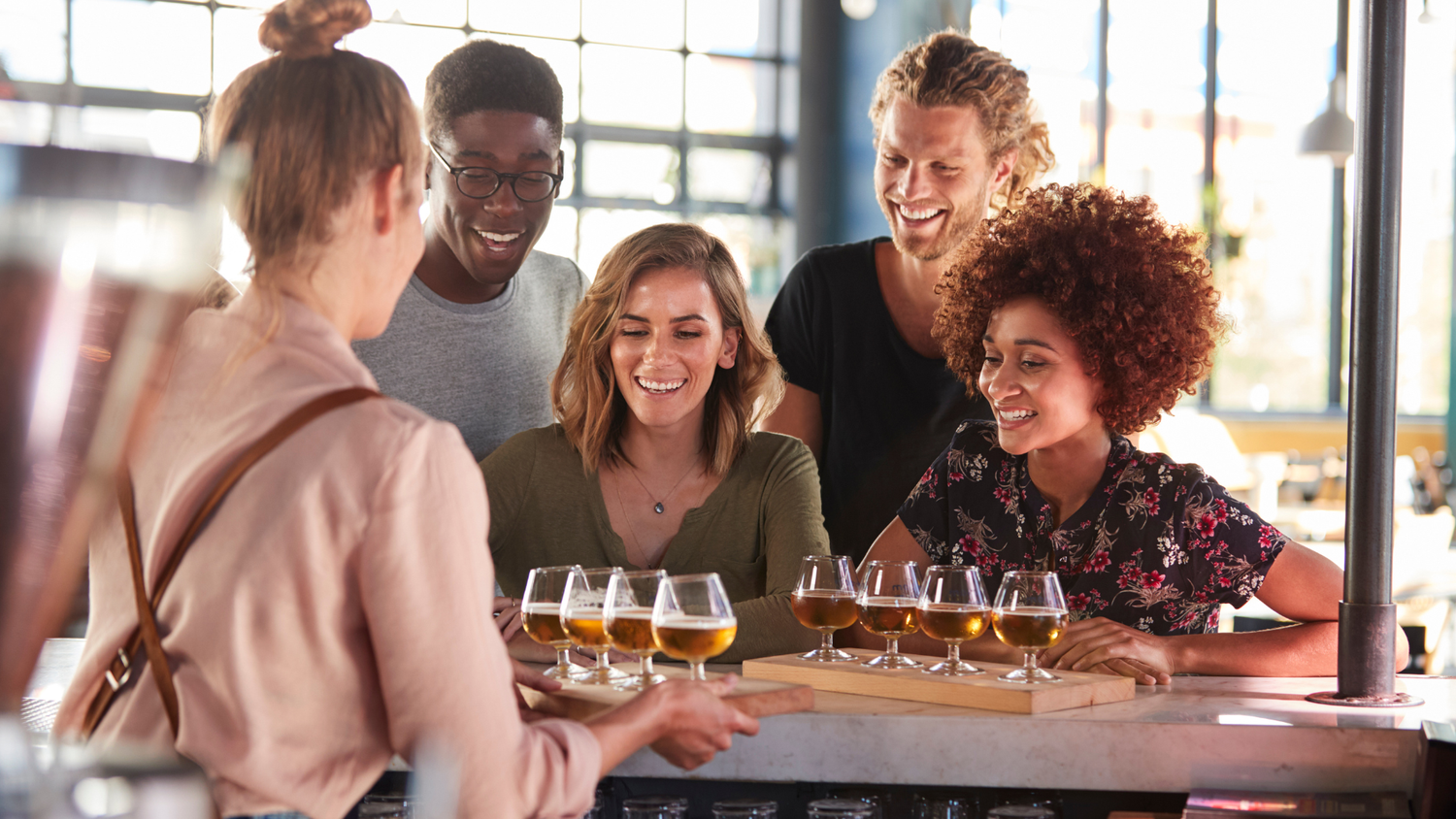
Serve alcohol safely and protect guests on every shift
Build the knowledge and confidence to serve alcohol responsibly with the Responsible Alcohol Serving Course from Expert Skills. This educational program is designed for bartenders, servers, hosts, retail clerks, and anyone involved in the sale and service of alcoholic beverages. Whether you're starting a career in hospitality or sharpening existing skills, this course gives you a structured grounding in responsible service, guest safety, and the real-world judgment the job demands.
Across in-depth written lessons, you'll learn how to read situations, prevent over-service and underage sales, handle difficult guests, and understand the responsibilities that come with serving alcohol, all the foundational knowledge a professional alcohol server is expected to know.
Through 8 comprehensive modules and structured lessons, you'll develop practical, job-ready knowledge:
This course is accredited by Expert Skills and recognized internationally for professional development. On passing the final exam, you receive your Expert Skills course certificate. You can also order a personalized hard-copy certification, an optional paid upgrade, printed with your name and the course title. Order your official certification here.
You get 2 months of full access to study at your own pace. Need more time? Access can be extended on the site for a small fee.
The knowledge in this course applies across the hospitality industry, bars, restaurants, hotels, nightclubs, event venues, breweries, and retail alcohol sales. It's valuable for bartenders, servers, hosts, retail clerks, and managers who want to demonstrate a strong, professional understanding of responsible alcohol service.
Serve with confidence and professionalism. Enroll today, learn responsible alcohol service at your own pace, and join thousands of learners who trust Expert Skills for accessible, professional education.
Below is the beginning of the first lesson. Enroll to access all 8 lessons.
1.1 Understanding the Importance of Responsible Alcohol Service
The impact of alcohol on individuals and communities
Alcohol is a widely consumed beverage that plays a significant role in various social and cultural settings. However, it also carries the potential for both positive and negative effects on individuals and communities. In this section, we will explore the impact of alcohol on both personal health and the broader community, as well as the importance of responsible alcohol service in mitigating potential harm.
Individual Impact: Alcohol consumption affects individuals in several ways, both in the short term and over extended periods. When consumed in moderation, alcohol can induce feelings of relaxation and euphoria, making it a popular social lubricant. However, excessive or irresponsible drinking can lead to a range of negative outcomes, including:
Impaired Judgment: Alcohol impairs cognitive functions, leading to impaired decision-making abilities and increased risk-taking behavior. This can result in accidents, injuries, or risky situations.
Health Risks: Prolonged and heavy alcohol consumption can contribute to various health issues, including liver damage, cardiovascular problems, and increased susceptibility to certain cancers.
Addiction and Dependency: Regular alcohol abuse can lead to addiction and dependence, resulting in an individual's inability to function without alcohol.
Mental Health: Alcohol can exacerbate existing mental health conditions and contribute to feelings of anxiety and depression.
Impaired Motor Skills: Drinking impairs motor skills and coordination, leading to a higher risk of accidents and injuries, such as car crashes.
Community Impact: The impact of alcohol extends beyond the individual level and can significantly affect communities and society as a whole. Some of the notable community impacts of alcohol consumption include:
Public Safety: Excessive alcohol consumption is linked to an increase in public disturbances, violence, and criminal activities, putting a strain on law enforcement and emergency services.
Healthcare Costs: Alcohol-related health issues result in substantial healthcare costs, both for individuals and the healthcare system. Treating alcohol-related diseases and injuries can be financially burdensome.
Loss of Productivity: Alcohol abuse can lead to absenteeism and decreased productivity in the workplace, impacting the economy and businesses.
Family Dynamics: The negative effects of alcohol abuse can strain family relationships, leading to emotional distress, domestic violence, and child neglect.
Social Strain: Alcohol-related incidents can create tensions and divisions within communities, affecting social cohesion and community well-being.
The Importance of Responsible Alcohol Service: Understanding the impact of alcohol on individuals and communities underscores the crucial role of responsible alcohol service. As alcohol servers, it is our responsibility to promote safe and moderate drinking practices while preventing overconsumption and potential harm. By adopting responsible alcohol service practices, we can:
Encourage Moderation: Promote responsible drinking habits and discourage excessive alcohol consumption among customers.
Identify Signs of Intoxication: Learn to recognize signs of intoxication and impairment to prevent over-serving.
Intervene and Assist: Develop the skills to intervene in a supportive and non-confrontational manner when faced with potentially intoxicated patrons.
Verify Age and ID: Implement strict age verification protocols to prevent underage drinking and comply with legal requirements.
Create Safe Environments: Foster a safe and welcoming environment that prioritizes the well-being of customers and staff.
By understanding the impact of alcohol and the importance of responsible alcohol service, we can contribute to a safer and more enjoyable drinking culture. Through continuous education, empathy, and professional conduct, we can uphold the principles of responsible alcohol service and make a positive difference in the lives of individuals and communities.
Legal and social responsibilities of alcohol servers
As alcohol servers, it is essential to be aware of both the legal and social responsibilities that come with the role. Responsible alcohol service involves upholding legal requirements and ethical standards to ensure the safety and well-being of customers and the community. In this section, we will explore the legal obligations and social responsibilities of alcohol servers, equipping you with the knowledge needed for safe and professional alcohol service.
Legal Responsibilities:
Age Verification: One of the primary legal responsibilities of alcohol servers is to verify the age of customers to prevent underage drinking. Depending on the jurisdiction, the legal drinking age may vary, but it is crucial to adhere to the local laws and regulations at all times. Always ask for valid identification, such as a driver's license or passport, and refuse service to individuals who cannot provide proof of legal drinking age.
Intoxication Awareness: It is illegal and unsafe to serve alcohol to intoxicated individuals. As an alcohol server, you must be able to identify signs of intoxication, such as slurred speech, unsteady gait, or aggressive behavior. Refrain from serving further alcohol to intoxicated customers, as it poses a risk to their safety and the safety of others.
Hours of Operation: Comply with the legal hours of alcohol service as defined by local laws. Some areas may have restrictions on when alcohol can be served, such as after a certain time at night or on specific days of the week. Adhering to these regulations is essential to avoid legal repercussions.
Compliance with Licensing: Ensure that the establishment you work for holds a valid alcohol license. Alcohol service without the appropriate license is illegal and can result in severe penalties for both the server and the establishment. Familiarize yourself with the licensing requirements and display the license prominently as mandated by law.
Social Responsibilities:
Responsible Drinking Promotion: As an alcohol server, you play a pivotal role in promoting responsible drinking behavior. Encourage customers to drink in moderation and provide non-alcoholic beverage alternatives. Be attentive to customers' needs and intervene when necessary to prevent overconsumption.
Avoid Over-Serving: Over-serving alcohol to customers can lead to serious consequences, including accidents, injuries, and legal liabilities. Recognize your responsibility in maintaining a safe environment by refusing service to individuals who appear intoxicated or those who have reached their limit.
Handling Difficult Situations: Alcohol servers should be prepared to handle challenging situations with diplomacy and tact. If a customer becomes unruly or aggressive, defuse the situation calmly and professionally. Seek assistance from management or security if necessary to ensure the safety of everyone present.
Designated Driver Programs: Encourage the use of designated driver programs or alternative transportation options for customers who may be unable to drive safely after consuming alcohol. Help customers arrange for a safe ride home to reduce the risk of drunk driving.
Be Knowledgeable: Stay informed about the different types of alcoholic beverages you serve, their alcohol content, and potential interactions with medication. Being knowledgeable about the products enables you to provide accurate information to customers and make appropriate recommendations.
Understanding the legal and social responsibilities of alcohol servers is fundamental to maintaining a safe and responsible alcohol service environment. By upholding legal requirements, verifying the age of customers, and recognizing signs of intoxication, you can help prevent alcohol-related incidents and protect the well-being of patrons and the community. Embrace your role as a responsible alcohol server, promote moderate drinking practices, and contribute to a positive and safe drinking culture.
Benefits of responsible alcohol service'
Responsible alcohol service plays a vital role in promoting a safe and enjoyable drinking environment for both customers and alcohol servers. Understanding and implementing responsible alcohol service practices come with several benefits that positively impact individuals, establishments, and the community as a whole. In this section, we will explore the various benefits of responsible alcohol service, highlighting the significance of these practices in the alcohol service industry.
Ensuring Public Safety: One of the most critical benefits of responsible alcohol service is the enhancement of public safety. By adhering to legal requirements and refusing service to intoxicated individuals, alcohol servers help prevent incidents of drunk driving, accidents, and injuries. Responsible alcohol service reduces the risk of alcohol-related harm, making communities safer for everyone.
Mitigating Legal Liabilities: Alcohol establishments and servers can face severe legal consequences if alcohol is served irresponsibly. By implementing responsible alcohol service practices, such as verifying age and monitoring intoxication levels, establishments can mitigate legal liabilities. Compliance with laws and regulations protects businesses from lawsuits and potential closure due to violations.
Fostering Positive Customer Experience: Responsible alcohol service contributes to a positive customer experience. When customers are served responsibly, they are more likely to enjoy their time at the establishment without experiencing negative effects of overconsumption. A positive experience encourages repeat business and word-of-mouth referrals, enhancing the establishment's reputation.
Reducing Incidents of Violence and Disorderly Conduct: Excessive alcohol consumption can sometimes lead to violent or disorderly behavior. Responsible alcohol service, which includes refusing service to unruly or aggressive customers, helps prevent such incidents. Creating a safe and controlled environment encourages patrons to enjoy their time without fear of encountering violence or disruptions.
Supporting Health and Well-Being: Responsible alcohol service aligns with promoting health and well-being. Alcohol servers play a role in encouraging moderate drinking practices and offering non-alcoholic beverage alternatives. This approach fosters a healthier drinking culture, supporting individuals in making responsible choices about their alcohol consumption.
Enhancing Professional Reputation: Alcohol establishments and servers known for responsible service earn a positive reputation within the community. Being recognized as a responsible establishment can attract more patrons, leading to increased business opportunities. Additionally, alcohol servers who demonstrate a commitment to responsible service are valued by employers and may have better career prospects.
Building Trust with Customers: Responsible alcohol service builds trust between the establishment and its customers. When patrons feel safe and cared for, they are more likely to return and recommend the establishment to others. Trustworthy establishments create loyal customers who become advocates for the business.
Contributing to Community Well-Being: Alcohol is an integral part of social interactions, and establishments that serve alcohol play a role in community life. By implementing responsible alcohol service practices, these establishments actively contribute to the well-being of the community. Responsible service helps minimize negative social impacts and fosters a sense of community responsibility.
Compliance with Corporate Social Responsibility (CSR) Initiatives: Many companies, including alcohol establishments, have adopted CSR initiatives to give back to society and operate ethically. Responsible alcohol service aligns with CSR goals by prioritizing the safety and well-being of customers and the community. Compliance with responsible service practices showcases the establishment's commitment to social responsibility.
The benefits of responsible alcohol service are far-reaching and significant. From ensuring public safety and mitigating legal liabilities to fostering positive customer experiences and building trust with patrons, responsible alcohol service creates a win-win situation for all stakeholders involved. By adhering to legal requirements, promoting health and well-being, and fostering a safe drinking environment, alcohol servers contribute positively to their establishments and the communities they serve. Embracing responsible alcohol service as a core principle ensures a thriving and responsible alcohol service industry.
1.2 The Role of Alcohol Servers
The role of bartenders, waitstaff, and managers
In the realm of responsible alcohol service, the roles of bartenders, waitstaff, and managers are pivotal in ensuring the safety and well-being of customers. These individuals play crucial roles in upholding legal requirements, monitoring alcohol consumption, and creating a positive and enjoyable environment for patrons. In this section, we will explore the specific responsibilities and contributions of bartenders, waitstaff, and managers in promoting responsible alcohol service.
Bartenders:
Bartenders hold a central role in alcohol service establishments, and their actions have a direct impact on customers' experiences. Their responsibilities encompass a wide range of tasks beyond simply preparing and serving drinks. Key aspects of the role of bartenders in responsible alcohol service include:
a) Checking Identification: One of the first and most crucial tasks of a bartender is to verify the age of customers attempting to purchase alcohol. Bartenders must be adept at recognizing valid identification and refusing service to individuals who are underage.
b) Monitoring Intoxication Levels: It is the bartender's responsibility to assess the sobriety of customers throughout their time at the establishment. Observing signs of intoxication, such as slurred speech or impaired coordination, enables bartenders to make informed decisions about further alcohol service.
c) Practicing Responsible Pouring: Bartenders must adhere to standard serving sizes and avoid overserving patrons. Careful monitoring of alcohol consumption ensures that customers do not become overly intoxicated.
d) Offering Non-Alcoholic Alternatives: Part of responsible alcohol service involves providing non-alcoholic beverage options to customers who may choose not to consume alcohol or are looking to pace their drinking.
e) Handling Difficult Situations: Bartenders should be skilled in de-escalating potential conflicts and addressing unruly behavior. Effectively managing challenging situations helps maintain a safe and welcoming environment for all customers.
Waitstaff:
Waitstaff members also contribute significantly to responsible alcohol service, as they interact closely with customers throughout their dining experience. Their role extends beyond delivering orders, as they actively monitor customer behavior and relay important information to bartenders and managers. Key aspects of the role of waitstaff in responsible alcohol service include:
a) Observing Customer Behavior: Waitstaff should pay attention to customers' demeanor and watch for any signs of intoxication or excessive drinking.
b) Communicating with Bartenders: Effective communication between waitstaff and bartenders is crucial. Waitstaff should promptly relay any concerns or observations about a customer's alcohol consumption.
c) Assisting with Service Refusals: In cases where bartenders decide to refuse further alcohol service to a customer, waitstaff should support this decision and help manage the situation with tact and empathy.
d) Promoting Responsible Drinking: Waitstaff can play a role in promoting responsible drinking practices by offering non-alcoholic beverages and encouraging moderation.
e) Providing Information on Transportation Options: As responsible alcohol servers, waitstaff can offer information on available transportation options, such as taxi services or ride-sharing apps, to help customers get home safely.
Managers:
Managers hold the overall responsibility for the establishment's operations, including overseeing alcohol service practices and ensuring legal compliance. Their role involves leadership, training, and implementing policies that prioritize responsible alcohol service. Key aspects of the role of managers in responsible alcohol service include:
a) Training Staff: Managers are responsible for providing comprehensive training to all staff members involved in alcohol service. This includes educating them on recognizing signs of intoxication, handling difficult situations, and complying with legal requirements.
b) Setting Clear Policies: Managers should establish and communicate clear policies regarding alcohol service, including guidelines for refusing service, handling intoxicated customers, and maintaining a safe environment.
c) Monitoring Compliance: Managers play a crucial role in ensuring that all staff members adhere to responsible alcohol service practices and legal requirements.
d) Addressing Issues Proactively: When incidents occur, managers should address them promptly and take appropriate actions to prevent similar situations in the future.
e) Creating a Culture of Responsibility: Responsible alcohol service should be ingrained in the establishment's culture. Managers can lead by example and foster a culture that prioritizes the safety and well-being of customers.
The roles of bartenders, waitstaff, and managers in responsible alcohol service are interconnected and essential for creating a safe and enjoyable environment for patrons. By verifying identification, monitoring intoxication levels, and promoting responsible drinking, bartenders contribute significantly to customer safety. Waitstaff members play a critical role in observing customer behavior, communicating with bartenders, and assisting with service refusals. Managers, as leaders of the establishment, are responsible for training staff, setting policies, and ensuring overall compliance with responsible alcohol service practices. Together, these individuals form a cohesive team that upholds the principles of responsible alcohol service and contributes to a positive and responsible drinking culture.
Recognizing signs of intoxication and impairment
As alcohol servers, it is essential to be vigilant and attentive to the behavior of customers to ensure responsible alcohol service. Recognizing signs of intoxication and impairment is a critical skill that helps prevent overconsumption and maintain a safe environment for both patrons and staff. In this section, we will explore the various signs and cues that indicate a customer may be intoxicated, as well as the importance of timely intervention and appropriate actions to promote responsible drinking.
Behavioral Signs of Intoxication:
a) Slurred Speech: One of the most apparent signs of intoxication is slurred speech. If a customer's speech is unclear or difficult to understand, it may indicate that they have consumed an excessive amount of alcohol.
b) Impaired Coordination: Observing a customer's physical coordination is crucial. If they have difficulty walking steadily, stumble, or have trouble maintaining balance, it may indicate intoxication.
c) Loud or Aggressive Behavior: Intoxicated individuals may display loud, boisterous, or aggressive behavior. They may become argumentative or disruptive, leading to potential conflicts with other customers.
d) Emotional Instability: Alcohol can impact emotions, leading to sudden mood swings or emotional instability. An intoxicated individual may display excessive happiness, sadness, or irritability.
e) Overly Talkative or Excessively Quiet: Some individuals become excessively talkative when intoxicated, while others may withdraw and become unusually quiet. Both extremes can be indications of intoxication.
f) Impaired Judgment: Intoxicated customers may display impaired judgment, making risky decisions or engaging in behaviors they would typically avoid when sober.
Physical Signs of Intoxication:
a) Bloodshot or Glassy Eyes: Alcohol consumption can cause blood vessels in the eyes to dilate, leading to bloodshot or glassy-looking eyes.
b) Flushed Skin: An intoxicated individual's skin may appear flushed or reddened due to increased blood flow.
c) Slowed Reaction Time: If a customer's reaction time is noticeably slowed, it may indicate that they are under the influence of alcohol.
d) Drowsiness or Difficulty Staying Awake: Excessive alcohol consumption can lead to drowsiness and difficulty staying awake, especially in public settings.
e) Nausea or Vomiting: Intoxicated individuals may experience nausea or vomiting as a result of alcohol consumption.
The Importance of Timely Intervention:
Recognizing signs of intoxication is only the first step; the next crucial aspect is timely intervention. Alcohol servers should take immediate action when they observe a customer showing signs of impairment. Timely intervention helps prevent further alcohol service to an intoxicated individual and avoids potential risks to their health and safety.
Responsible Intervention Techniques:
a) Refusing Further Alcohol Service: When signs of intoxication are evident, it is essential to politely and respectfully refuse further alcohol service to the customer. Inform them of the establishment's policy and the importance of responsible drinking.
b) Offering Non-Alcoholic Alternatives: Alcohol servers can suggest non-alcoholic beverages or water as alternatives to alcoholic drinks. This helps customers pace their drinking and stay hydrated.
c) Seeking Assistance from Management: If a customer becomes uncooperative or difficult to handle, it is crucial to involve a manager or supervisor to assist in managing the situation.
d) Arranging Safe Transportation: If an intoxicated customer intends to leave the establishment, alcohol servers should encourage them to use alternative transportation, such as a designated driver, taxi, or ride-sharing service, to get home safely.
Documenting Incidents:
In cases where intervention is necessary, it is essential to document the incident, including the date, time, and details of the customer's behavior. Proper documentation is valuable for addressing any potential issues in the future and for legal purposes.
Recognizing signs of intoxication and impairment is a fundamental responsibility of alcohol servers. By being observant and attentive to behavioral and physical cues, servers can identify customers who may be intoxicated and take appropriate action to prevent overconsumption. Timely intervention, such as refusing further alcohol service and offering non-alcoholic alternatives, promotes responsible drinking and ensures the safety and well-being of all patrons. Through their vigilance and responsible actions, alcohol servers play a vital role in creating a safe and enjoyable environment for customers, making responsible alcohol service a cornerstone of their profession.
Techniques for handling challenging situations
As alcohol servers, you may encounter challenging situations while performing your duties. These situations can range from dealing with unruly patrons to managing conflicts between customers. It is essential to be well-prepared and equipped with effective techniques to handle these challenges responsibly and professionally. In this section, we will explore various techniques for alcohol servers to manage challenging situations, ensuring the safety and well-being of all patrons and staff.
De-escalation Techniques:
a) Remain Calm and Composed: When confronted with a challenging situation, it is crucial for alcohol servers to remain calm and composed. Maintaining a level-headed demeanor can help defuse tension and prevent the situation from escalating further.
b) Active Listening: Practice active listening when dealing with upset or agitated customers. Allow them to express their concerns and feelings, demonstrating that you are genuinely attentive to their needs.
c) Empathy and Understanding: Show empathy and understanding towards the customer's perspective. Acknowledge their feelings and concerns to establish a connection and ease their frustration.
d) Avoid Confrontation: Avoid engaging in confrontational behavior or arguments with customers. Instead, focus on finding a resolution and diffusing the situation peacefully.
e) Offer Solutions: Propose practical solutions to address the customer's concerns. If the issue is related to service or product quality, offer appropriate remedies to rectify the situation.
Handling Intoxicated Customers:
a) Refusing Service Politely: If you encounter an intoxicated customer who requests more alcohol, politely inform them that you cannot serve them any further. Clearly explain the establishment's policy regarding responsible alcohol service.
b) Offer Non-Alcoholic Alternatives: Suggest non-alcoholic beverages or water as an alternative to alcoholic drinks. Providing these options helps customers pace their drinking and stay hydrated.
c) Engage a Sober Friend: If an intoxicated customer is accompanied by a sober friend, discreetly involve the friend in the situation. Request their assistance in ensuring the customer's safety and well-being.
d) Preventing Disturbances: If an intoxicated customer becomes disruptive, take measures to prevent disturbances that may impact other patrons. Politely but firmly address the behavior and consider involving management if necessary.
Resolving Conflicts Between Customers:
a) Separate Parties Involved: If conflicts arise between customers, try to separate the parties involved to avoid further escalation. Politely request each individual to move to different areas of the establishment.
b) Mediate Calmly: Approach the situation as a mediator and attempt to understand the root cause of the conflict. Listen to both sides impartially and strive to find common ground.
c) Involve Security or Management: If conflicts become difficult to manage or pose a safety risk, involve security personnel or management to handle the situation professionally.
Identifying Fake IDs or Underage Patrons:
a) Verify IDs Thoroughly: When checking identification documents, be thorough and ensure they are valid and not tampered with. Verify the photo, birthdate, and expiration date.
b) Spotting Fake IDs: Familiarize yourself with the security features of valid identification documents to identify potential fakes. Pay attention to holograms, watermarks, and other security elements.
c) Handle Politely: If you suspect an ID is fake or a customer is underage, handle the situation politely but firmly. Refuse service and explain the establishment's policy regarding age verification.
Managing Overcrowding and Long Wait Times:
a) Set Clear Expectations: If the establishment is experiencing overcrowding or long wait times, communicate clearly with customers about the situation. Provide realistic wait time estimates to manage expectations.
b) Offer Waiting Area: Create a designated waiting area for customers with clear signage. Provide a comfortable space with seating and entertainment to improve the waiting experience.
c) Apologize and Thank: Apologize for any inconvenience caused by wait times and express gratitude for their patience. A sincere apology can go a long way in diffusing frustration.
Utilizing a Panic Button or Security Measures:
a) Familiarize with Security Measures: If your establishment has a panic button or security measures, make sure all staff members are familiar with their locations and how to use them in case of emergencies.
b) Training for Emergency Situations: Provide training to staff on how to handle emergency situations, including when to use panic buttons and how to contact security or law enforcement.
The role of alcohol servers requires not only responsible alcohol service but also effective techniques for handling challenging situations. By practicing de-escalation techniques, managing intoxicated customers, resolving conflicts between patrons, identifying fake IDs or underage patrons, and addressing overcrowding and wait times, alcohol servers can maintain a safe and enjoyable environment for all. Being well-prepared and equipped with these techniques ensures that alcohol servers can handle challenging situations responsibly and professionally, contributing to the overall positive experience of patrons and the success of the establishment.
1.3 Laws and Regulations
Local, state, and federal alcohol laws
It is crucial for alcohol servers to have a comprehensive understanding of the various laws and regulations governing the sale and consumption of alcoholic beverages. Local, state, and federal governments have established these laws to ensure public safety, prevent alcohol-related harm, and promote responsible alcohol service. As an alcohol server, compliance with these laws is not only essential for legal reasons but also plays a vital role in fostering a safe and responsible drinking environment. In this section, we will explore the key aspects of local, state, and federal alcohol laws to equip you with the knowledge needed to safely and legally serve alcohol.
Local Alcohol Laws:
Local alcohol laws refer to regulations established by cities, counties, or municipalities to govern the sale, distribution, and consumption of alcoholic beverages within their jurisdiction. These laws may vary significantly from one locality to another, so it is crucial for alcohol servers to be familiar with the specific requirements of the area where they work.
a) Licensing and Permits: Local governments typically issue licenses and permits to establishments that wish to sell alcoholic beverages. Alcohol servers must ensure that their establishment holds the necessary licenses and that these permits are up-to-date.
b) Operating Hours: Local alcohol laws often dictate the permitted hours during which establishments can serve alcohol. It is essential for alcohol servers to adhere to these hours and refrain from serving alcohol outside of the designated timeframes.
c) Drink Specials and Promotions: Some localities may have restrictions on drink specials and promotions, such as happy hour discounts or "all-you-can-drink" offers. Alcohol servers must comply with these regulations to avoid potential legal issues.
d) Alcohol Service Training: Some localities may require alcohol servers to undergo specific alcohol service training or obtain certifications to ensure responsible service. Compliance with these training requirements is vital for servers to legally serve alcohol.
State Alcohol Laws:
State alcohol laws are regulations set by individual states that govern the sale, distribution, and consumption of alcoholic beverages within their boundaries. These laws provide a framework for alcohol service and vary significantly from state to state. As an alcohol server, understanding state alcohol laws is essential for complying with legal requirements and ensuring responsible alcohol service.
a) Minimum Drinking Age: State alcohol laws uniformly establish the minimum legal drinking age, which is 21 years of age in all states. Alcohol servers must rigorously enforce this age requirement and refrain from serving alcohol to underage individuals.
b) Alcohol Sales Hours: States typically dictate the permissible hours during which alcoholic beverages can be sold. Alcohol servers must strictly adhere to these timeframes to avoid violating state alcohol laws.
c) Blood Alcohol Concentration (BAC) Limits: States also establish legal limits for blood alcohol concentration (BAC) while operating a vehicle or engaging in certain activities. Alcohol servers should be aware of these limits to prevent over-serving and potential liability.
d) Liability and Dram Shop Laws: Many states have dram shop laws that hold alcohol servers and establishments liable for serving alcohol to visibly intoxicated individuals who subsequently cause harm to themselves or others. Understanding these laws is critical to avoiding legal consequences.
Federal Alcohol Laws:
Federal alcohol laws are regulations established by the U.S. federal government to control the production, distribution, and taxation of alcoholic beverages nationwide. While state and local laws take precedence in many aspects, federal laws play a significant role in governing the overall alcohol industry and its interstate commerce.
a) The Federal Alcohol Administration Act (FAA Act): The FAA Act provides the framework for federal regulation of the alcohol industry, focusing on licensing, labeling, and advertising of alcoholic beverages.
b) The Federal Trade Commission (FTC) Guidelines: The FTC provides guidelines for alcohol advertising and marketing to ensure that such promotions are not misleading or deceptive.
c) The Alcohol and Tobacco Tax and Trade Bureau (TTB): The TTB is responsible for enforcing federal alcohol laws and regulations, including the collection of excise taxes on alcohol products.
d) Labeling Requirements: Federal law mandates specific labeling requirements for alcoholic beverages, including information about alcohol content, health warnings, and producer contact details.
Compliance with local, state, and federal alcohol laws is of paramount importance for alcohol servers. These laws are in place to safeguard public safety, promote responsible alcohol service, and prevent alcohol-related harm. By understanding and adhering to local, state, and federal regulations, alcohol servers can ensure legal compliance and contribute to the creation of a safe and responsible drinking environment. Furthermore, staying informed about changes in these laws is essential as they may evolve over time, affecting the way alcohol service is conducted. A solid grasp of these laws empowers alcohol servers to fulfill their responsibilities with confidence, professionalism, and a commitment to public well-being.
Age verification and ID checking
One of the fundamental responsibilities of alcohol servers is to ensure that alcoholic beverages are served only to individuals of legal drinking age. Age verification and proper ID checking are critical aspects of responsible alcohol service that help prevent underage drinking and promote a safe drinking environment. In this section, we will delve into the importance of age verification, the methods used for ID checking, and best practices for alcohol servers to confidently and effectively verify the age of customers.
Importance of Age Verification:
Age verification is crucial in preventing the sale of alcoholic beverages to underage individuals. Serving alcohol to minors not only violates the law but also poses significant risks to the well-being of young people and the community as a whole. By diligently verifying the age of customers, alcohol servers play a vital role in upholding public safety, promoting responsible alcohol consumption, and avoiding legal consequences for themselves and their establishments.
Legal Drinking Age:
Before delving into age verification methods, it is essential to be familiar with the legal drinking age in the specific jurisdiction where alcohol service takes place. In the United States, the legal drinking age is 21 years old. However, this may vary in other countries or regions, so alcohol servers must know and comply with the relevant laws in their area.
Methods for ID Checking:
There are several methods that alcohol servers can use to verify a customer's age and authenticity of their identification. These methods include:
a) Checking Physical Identification Cards: The most common form of identification used by customers is a physical ID card, such as a driver's license, passport, or state-issued ID card. Alcohol servers should carefully examine the ID, ensuring it has not expired, and verify that the photo matches the customer presenting it.
b) Utilizing Electronic ID Scanners: Many establishments employ electronic ID scanners that can quickly and accurately validate the authenticity of an ID card. These scanners read the barcode or magnetic stripe on the card and provide essential information, such as the date of birth, name, and ID number.
c) Mobile ID Apps: Some regions offer mobile ID apps that individuals can use to verify their age digitally. Alcohol servers should familiarize themselves with the acceptable mobile ID apps in their area and verify their legitimacy.
d) RFID Technology: Some ID cards may have Radio-Frequency Identification (RFID) chips embedded within them. Alcohol servers can use RFID readers to access the information stored on these chips and verify the customer's age.
Best Practices for Age Verification:
To ensure effective age verification, alcohol servers should follow these best practices:
a) Ask for Identification Proactively: Alcohol servers should ask for identification proactively from every customer who appears to be under a certain age, even if they believe the individual is of legal drinking age. This ensures consistency and prevents any potential discrimination issues.
b) Handle Identification with Care: Alcohol servers should handle identification cards with care and respect. Avoid bending, damaging, or mishandling the ID, as it is an essential personal document for the customer.
c) Verify the Photo and Physical Appearance: Compare the photo on the ID with the customer's physical appearance to ensure they are the same person. Pay attention to facial features, hair color, and any distinguishing characteristics.
d) Check for Signs of Tampering: Examine the ID for signs of tampering, alterations, or suspicious markings that may indicate it is not genuine.
e) Be Knowledgeable about Fake IDs: Familiarize yourself with common features of fake IDs and the latest trends in counterfeit identification. Training on spotting fake IDs can be valuable for alcohol servers.
f) Know Local Law Enforcement Resources: Be aware of local law enforcement resources to report suspicious IDs or seek guidance on questionable identification.
Age verification and proper ID checking are integral components of responsible alcohol service. Alcohol servers play a crucial role in preventing underage drinking, upholding public safety, and ensuring legal compliance. By using various methods for ID checking and following best practices, alcohol servers can confidently and effectively verify the age of customers, contributing to a safe and responsible drinking environment. A commitment to age verification not only fosters a positive reputation for the establishment but also promotes the well-being of individuals and the community at large.
Liquor license requirements
Understanding liquor license requirements is paramount for anyone involved in serving or selling alcoholic beverages. A liquor license is a legal authorization granted by a government authority that permits the licensee to engage in the sale and distribution of alcoholic beverages within a specific jurisdiction. The possession and maintenance of a valid liquor license are not only necessary for compliance with the law but also essential for the safe and responsible operation of establishments that serve alcohol. In this section, we will explore the significance of liquor licenses, the types of licenses available, the application process, and the responsibilities associated with holding a liquor license.
Significance of Liquor Licenses:
Liquor licenses play a crucial role in regulating the sale and distribution of alcoholic beverages. They are designed to protect public safety, promote responsible alcohol consumption, and ensure compliance with local, state, and federal laws governing the sale and service of alcohol. Obtaining a liquor license is not only a legal requirement but also a measure of an establishment's commitment to responsible alcohol service and its adherence to applicable laws and regulations.
Types of Liquor Licenses:
Liquor licenses may vary in type and scope depending on the jurisdiction and the nature of the establishment. Some common types of liquor licenses include:
a) On-Premises License: This type of license allows an establishment, such as a restaurant or bar, to serve alcoholic beverages for consumption on the premises.
b) Off-Premises License: An off-premises license permits the sale of alcoholic beverages for consumption off-site, such as in liquor stores or retail outlets.
c) Beer and Wine License: This license specifically authorizes the sale of beer and wine but not distilled spirits.
d) Full Liquor License: A full liquor license allows the sale of all types of alcoholic beverages, including beer, wine, and spirits.
Application Process:
Obtaining a liquor license involves a structured application process, which may vary depending on the jurisdiction. The process typically includes the following steps:
a) Eligibility Check: Applicants must verify that they meet the eligibility criteria set by the licensing authority. These criteria may include age restrictions, criminal background checks, and compliance with zoning regulations.
b) Application Submission: Applicants must complete and submit the required application forms along with any necessary documentation, such as business plans, floor layouts, and financial statements.
c) Public Notice: In many jurisdictions, applicants are required to post public notices at their proposed establishment, notifying the community of their intent to apply for a liquor license.
d) Review and Approval: The application is thoroughly reviewed by the licensing authority, which may involve investigations and site inspections. If the applicant meets all the necessary requirements and there are no objections from the public, the license is approved.
e) License Renewal: Liquor licenses are typically valid for a specific period, after which they must be renewed. Licensees must adhere to all renewal requirements to maintain their license.
Responsibilities of License Holders:
Holding a liquor license comes with specific responsibilities that licensees must uphold to maintain compliance with the law and ensure responsible alcohol service. Some of these responsibilities include:
a) Compliance with Regulations: License holders must adhere to all applicable laws, regulations, and conditions stipulated in their liquor license.
b) Training and Education: Ensuring that all staff members involved in alcohol service receive proper training on responsible alcohol service, including recognizing signs of intoxication and checking IDs.
c) Safe and Responsible Service: License holders are responsible for ensuring that alcohol is served responsibly, with measures in place to prevent overconsumption and underage drinking.
d) Record Keeping: License holders must maintain accurate records of alcohol sales and inventory, as required by the licensing authority.
e) Cooperation with Authorities: Licensees must cooperate with law enforcement and regulatory authorities during inspections, investigations, or any other interactions related to their alcohol service operations.
Liquor license requirements are a critical aspect of responsible alcohol service. Understanding the significance of liquor licenses, the various types available, the application process, and the responsibilities of license holders is essential for compliance with the law and ensuring the safe and responsible sale and service of alcohol. Holding a valid liquor license not only demonstrates an establishment's commitment to responsible alcohol service but also contributes to public safety and the well-being of the community.
Laws by State
List of alcohol laws in the United States can be checked below. Please note that certain cities/counties can have their own laws and regulations and it is best to check that your area does not have any specific laws/rules.
https://worldpopulationreview.com/state-rankings/alcohol-laws-by-state
https://en.wikipedia.org/wiki/List_of_alcohol_laws_of_the_United_States
This is an educational course in the principles of responsible alcohol service, guest safety, impairment awareness, ID verification, and the judgment the job demands. Requirements for server certification can vary by state, county, and employer, so check what applies where you work.
Yes. Expert Skills is registered under the UK Government's UK Register of Learning Providers (UKRLP / UKPRN 10092631), and the course is accredited by Expert Skills and recognized internationally for professional development.
No prior experience is required. The course starts with the fundamentals and builds up step by step.
You have 2 months of full access. If you need more time, you can extend your access on the site for a small fee.
Issued under our UKRLP registration (UKPRN 10092631). Recognized in the United States and United Kingdom.
 UKPRN 10092631
Enroll today, get instant access.
Enroll to continue reading
Get instant access to all 8 lessons.
Yes. The course is fully online and works on your phone, tablet, or computer, so you can learn anywhere.