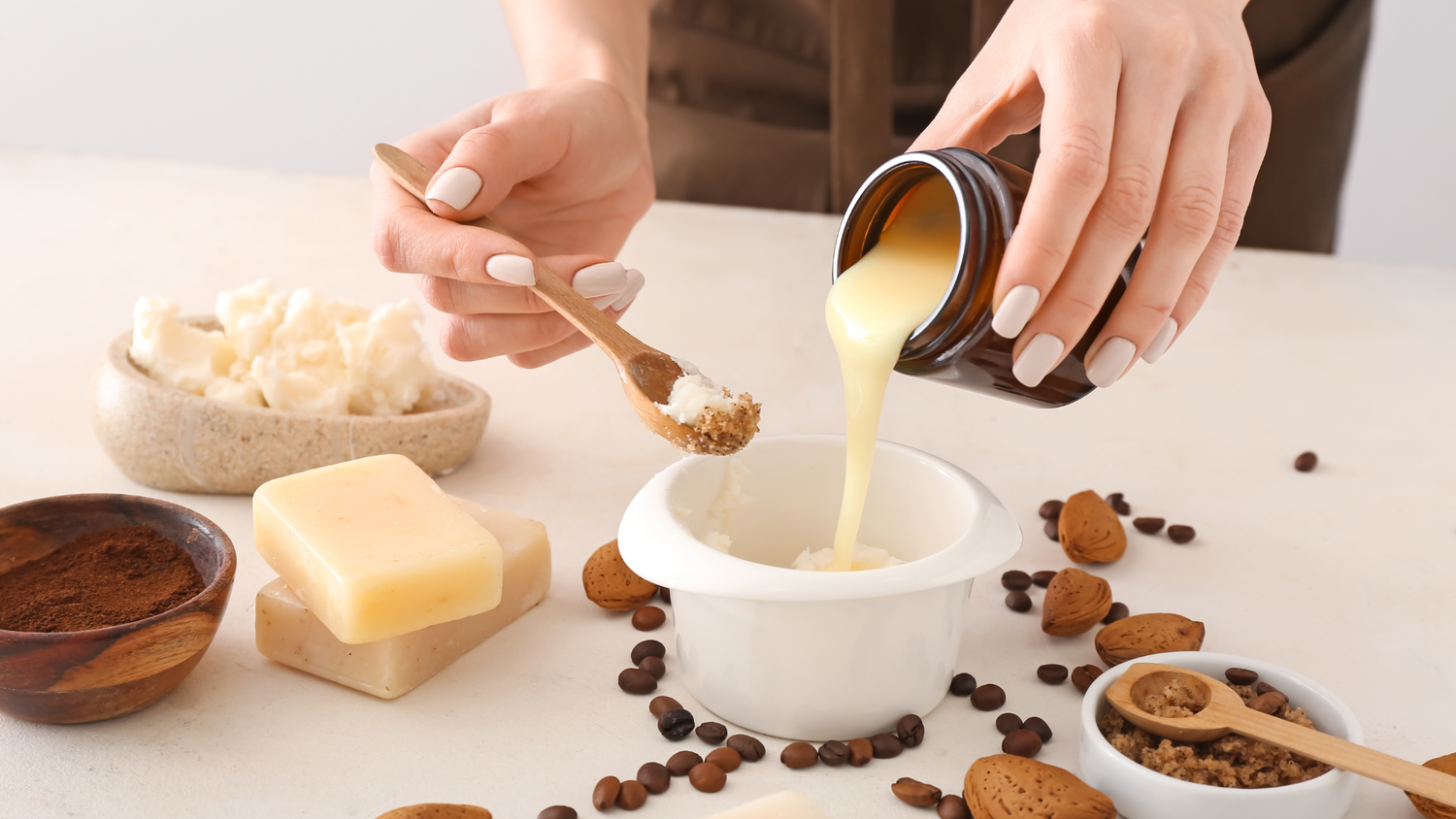
History and Evolution of Soap Making
Soap making has a rich and fascinating history that stretches back thousands of years. The origins of soap can be traced back to ancient civilizations, where different cultures discovered the cleansing properties of soap-like substances derived from natural sources. Understanding the history and evolution of soap making provides a solid foundation for anyone interested in this ancient craft.
The history of soap making dates back to around 2800 BCE in ancient Babylon, where evidence of the earliest known soap-like material was found. This early soap was made from a mixture of animal fats and ashes from wood or plants. The Babylonians used this soap-like substance for personal hygiene and cleaning purposes.
Egyptian records from 1500 BCE mention a similar soap-like substance made from a mixture of animal and vegetable oils with alkaline salts. The Egyptians used soap for personal grooming, treating skin diseases, and laundry. They also discovered the benefits of adding aromatic oils and herbs to soap for fragrance and therapeutic properties.
The ancient Greeks and Romans also recognized the cleansing properties of soap. However, their soap-making techniques were quite basic compared to those of Babylonians and Egyptians. Soap was primarily used for washing clothes rather than personal hygiene.
During the Middle Ages, soap making became more widespread in Europe. Soap was initially produced by boiling animal fats with wood ash. The soap-making process improved with the introduction of alkalis such as potash, derived from the ashes of hardwood trees. This development led to the production of harder and more effective soaps.
In the 13th century, soap making became a recognized profession in Europe. Soap makers formed guilds to regulate the quality and trade of soap. They developed various techniques and recipes to create soap with different properties, scents, and colors. Soap making was considered both an art and a science during this period.
The industrial revolution in the 18th and 19th centuries brought significant advancements in soap making. The discovery of sodium hydroxide (lye) as a strong alkali revolutionized soap production. It allowed for the mass production of soap, making it more affordable and accessible to the general population. Soap manufacturing transitioned from small-scale, artisanal production to large-scale factories.
With the advent of modern chemistry and advancements in technology, the soap-making process became more refined. New ingredients, such as vegetable oils, synthetic detergents, and specialized additives, were introduced to enhance the quality and functionality of soap. Soap making evolved from a necessity to a luxury item, encompassing a wide range of scents, colors, and shapes.
Today, soap making has experienced a resurgence in popularity as people seek natural and handmade alternatives to commercial soaps. Artisans and enthusiasts explore traditional methods and experiment with innovative techniques to create unique and personalized soaps. The availability of high-quality ingredients, comprehensive knowledge resources, and online communities has made soap making more accessible to individuals worldwide.
Understanding the history and evolution of soap making provides valuable insights into the techniques, ingredients, and cultural significance associated with this ancient craft. Whether you are a hobbyist or aspiring soap maker, embracing the knowledge passed down through generations allows you to appreciate the artistry and science behind soap making and empowers you to create beautiful and functional soaps for personal use or as thoughtful gifts.
In conclusion, soap making has a captivating history that spans across cultures and centuries. From its humble beginnings with simple ingredients and techniques to the modern-day exploration of diverse scents, colors, and designs, soap making has evolved into an art form. By delving into the historical roots of soap making, you can gain a deeper appreciation for the craft and unlock the potential to create exceptional soaps that meet the needs and preferences of today's discerning individuals.
Importance of Handmade Soaps
Handmade soaps have gained significant popularity in recent years as people become more conscious of the ingredients they use on their bodies and the environmental impact of commercial products. Understanding the importance of handmade soaps is essential for anyone interested in soap making, as it allows you to appreciate the unique qualities and benefits they offer.
One of the primary advantages of handmade soaps is the control over ingredients. Unlike mass-produced commercial soaps, handmade soaps are crafted in small batches, allowing the soap maker to carefully select high-quality oils, fats, and additives. This control ensures that the soap contains nourishing and beneficial ingredients for the skin, free from harsh chemicals, synthetic fragrances, and artificial dyes that can be found in many commercial soaps.
Handmade soaps are often created using natural and organic ingredients, such as plant-based oils, butters, and essential oils. These ingredients provide a host of benefits for the skin. For example, vegetable oils like olive oil, coconut oil, and shea butter are rich in vitamins, antioxidants, and fatty acids that help moisturize and nourish the skin. Essential oils, derived from various plants, not only add delightful scents to the soap but also offer aromatherapeutic properties, promoting relaxation, rejuvenation, and overall well-being.
Another crucial aspect of handmade soaps is the absence of harsh detergents and sulfates that are commonly found in commercial cleansing products. Many commercial soaps strip the skin of its natural oils, leading to dryness, irritation, and discomfort. Handmade soaps, on the other hand, are typically mild and gentle, as they retain the naturally occurring glycerin. Glycerin is a humectant that attracts moisture to the skin, helping to maintain its hydration and softness.
The customization and artistic expression available in handmade soap making are also significant advantages. Soap makers can experiment with different combinations of oils, colors, fragrances, and additives to create unique and personalized soaps. This allows individuals to cater to specific skin types, preferences, and needs. Whether it's a soothing lavender soap for relaxation, an exfoliating oatmeal soap for gentle scrubbing, or a moisturizing shea butter soap for dry skin, handmade soaps offer versatility and customization options that commercial products often lack.
Handmade soaps also contribute to environmental sustainability. Many commercial soap brands utilize packaging that is excessive and non-recyclable, contributing to plastic waste. In contrast, handmade soaps can be packaged using eco-friendly materials such as recyclable paper or biodegradable wrapping. Additionally, the production of handmade soaps can employ sustainable practices, such as sourcing ingredients from ethical suppliers and using natural colorants and exfoliants that have minimal environmental impact.
Beyond the personal benefits, purchasing handmade soaps supports local artisans and small businesses. By choosing handmade soaps, individuals contribute to the local economy and help sustain traditional crafts and skills. Many soap makers are passionate about their craft and invest time and effort into perfecting their recipes, ensuring that each bar of soap is crafted with care and attention to detail.
In summary, the importance of handmade soaps lies in their quality, natural ingredients, customization options, environmental sustainability, and support for local artisans. Handmade soaps offer an alternative to mass-produced commercial products, allowing individuals to prioritize their skin's health and well-being. By embracing the world of handmade soaps, individuals can enjoy the benefits of nourishing, gentle, and environmentally friendly cleansing options that are tailored to their unique preferences and needs.
Different Types of Soap Making Methods
Soap making is a versatile craft that offers various methods to create beautiful and functional bars of soap. Each method has its unique characteristics, techniques, and advantages. Understanding the different types of soap making methods allows you to explore and choose the approach that aligns with your preferences and desired outcomes.
Cold Process Soap Making: Cold process soap making is one of the most traditional and widely used methods. It involves creating soap from scratch using a combination of fats or oils, water, and sodium hydroxide (lye). The process begins by carefully measuring and heating the oils and combining them with a lye solution. This mixture undergoes a chemical reaction known as saponification, which transforms the oils and lye into soap. Cold process soap making offers flexibility in formulating custom recipes and allows for a wide range of creative designs and additives. The curing time for cold process soaps is typically four to six weeks, during which the soap hardens and the excess water evaporates.
Hot Process Soap Making: Hot process soap making is a method that involves cooking the soap mixture to accelerate the saponification process. Similar to cold process soap making, a combination of oils or fats, water, and lye is used. However, in hot process soap making, the mixture is heated and cooked until saponification is complete. This method yields a more rustic and textured appearance compared to cold process soap. Hot process soap making offers the advantage of a shorter curing time, as the soap can be used shortly after it is made. It is also beneficial for incorporating botanicals and natural colorants that may be affected by the high temperatures involved.
Melt and Pour Soap Making: Melt and pour soap making is a beginner-friendly method that involves melting pre-made soap bases and adding colors, fragrances, and other additives to create custom soaps. This method eliminates the need for handling lye, making it a safer and quicker option. Melt and pour soap bases are readily available and come in various varieties, such as clear, white, or glycerin-based. The melted soap base can be poured into molds and customized with additives like essential oils, herbs, exfoliants, or colorants. Melt and pour soaps can be used immediately after they cool and harden, making them ideal for those who want instant gratification or need soap-making projects with minimal time commitment.
Rebatching or Hand-Milled Soap Making: Rebatching, also known as hand-milled soap making, involves using pre-made soap and transforming it into a new soap creation. This method is particularly useful for repurposing soap scraps or correcting mistakes in soap making. To create a rebatched soap, grated or chopped pieces of pre-made soap are melted and blended with additional ingredients like oils, fragrances, and additives. The soap mixture is then poured into molds and allowed to harden. Rebatching allows for the incorporation of botanicals or delicate ingredients that may lose their properties during the high temperatures involved in other soap making methods. It also offers the opportunity to create unique and layered designs.
Liquid Soap Making: Liquid soap making involves a distinct process from bar soap making. It requires a different type of alkali, such as potassium hydroxide, to saponify the oils or fats. The process involves dissolving the alkali in water and combining it with oils or fats. The mixture is then heated and stirred until saponification occurs. Liquid soap making offers versatility, as it can be customized with different oils, fragrances, and additives. It is commonly used for hand soaps, body washes, and other liquid cleansing products.
These are some of the primary soap making methods that you can explore and experiment with as you embark on your soap-making journey. Each method offers its own unique set of characteristics and techniques, providing opportunities for creativity and customization. By understanding these different soap making methods, you can choose the approach that best suits your preferences, skill level, and desired outcomes. Whether you prefer the artistry of cold process soap making, the convenience of melt and pour, or the efficiency of hot process soap making, there is a method that will allow you to create beautiful, handmade soaps tailored to your specific needs.
Safety Guidelines and Precautions in Soap Making
Safety is of utmost importance when engaging in soap making to ensure a smooth and risk-free experience. By following essential guidelines and taking necessary precautions, you can create beautiful soaps while minimizing potential hazards. Understanding and implementing safety measures is crucial for both beginners and experienced soap makers alike.
Personal Protective Equipment (PPE): Always wear appropriate personal protective equipment when making soap.
This includes:
Safety goggles or protective eyewear to shield your eyes from accidental splashes or chemical contact.
Rubber or nitrile gloves to protect your hands from caustic materials like lye and potential irritants in essential oils or fragrances.
Long-sleeved clothing and closed-toe shoes to prevent accidental spills or splashes on your skin.
Workspace Preparation: Ensure your soap-making workspace is organized, clean, and well-ventilated. Consider the following precautions:
Choose a dedicated area for soap making that is away from food preparation and consumption.
Cover your workspace with protective materials like plastic or newspaper to prevent spills or stains.
Keep all materials and tools within reach to minimize the risk of accidents caused by reaching or stretching.
Handling Lye: Lye is a critical ingredient in soap making but must be handled with extreme caution due to its caustic nature. Follow these guidelines:
Always add lye to water, never the other way around. Slowly and carefully pour lye into water, stirring gently to dissolve. Avoid splashes or spills.
Use heat-resistant containers for lye solution preparation, such as glass or high-quality plastic. Avoid aluminum or reactive materials that can interact with lye.
Allow the lye solution to cool before adding it to oils or other ingredients. Avoid inhaling fumes produced during the initial mixing.
Store lye securely in a cool, dry place, away from children and pets. Clearly label the container and keep it out of reach.
Safe Handling of Oils and Additives: When working with oils, fats, and additives, adhere to the following guidelines:
Ensure oils and fats are of good quality and suitable for soap making. Use oils with low levels of free fatty acids to prevent excessive heat generation during the saponification process.
Be aware of potential allergens or sensitivities associated with essential oils or fragrances. Conduct patch tests if necessary.
Take extra care when handling exfoliants, colorants, or other additives to avoid inhalation or eye contact. Follow safety data sheets (SDS) and guidelines provided by manufacturers.
Mixing and Blending: During the mixing and blending process, maintain these safety measures:
Use appropriate tools, such as stainless steel or heat-resistant plastic, for mixing soap ingredients. Avoid reactive materials that can interfere with the soap-making process.
Stir ingredients gently and avoid splashing or excessive agitation to prevent accidental spills or splatters.
Use thermometers to monitor temperatures accurately, ensuring lye and oils are at the recommended ranges for safe blending and saponification.
Curing and Storage: After pouring soap into molds, observe the following guidelines during the curing and storage process:
Place soap molds on a stable and level surface to avoid accidental tipping or shifting during curing.
Store curing soap in a cool, dry, and well-ventilated area, away from direct sunlight. Allow sufficient space between bars for proper airflow.
Clearly label and date each batch of soap to ensure accurate curing time and rotation of stock.
Keep cured soaps in airtight containers or packaging to maintain their freshness and prevent moisture or fragrance loss.
Emergency Preparedness: While accidents are rare, it's essential to be prepared for any potential mishaps. Take these precautions:
Have a well-stocked first aid kit readily available in your soap-making workspace.
Familiarize yourself with the appropriate first aid measures for specific incidents, such as accidental lye contact or burns.
In case of accidental ingestion or serious injury, seek immediate medical attention and inform healthcare professionals of the substances involved.
By following these safety guidelines and precautions, you can ensure a secure soap-making experience. Prioritize safety at every stage of the process, from handling raw materials to curing and storing the finished product. Remember that ongoing education and awareness of safety practices are vital to maintaining a risk-free environment. By implementing these measures, you can focus on the creative and enjoyable aspects of soap making while keeping yourself and those around you safe.
 UKPRN 10092631