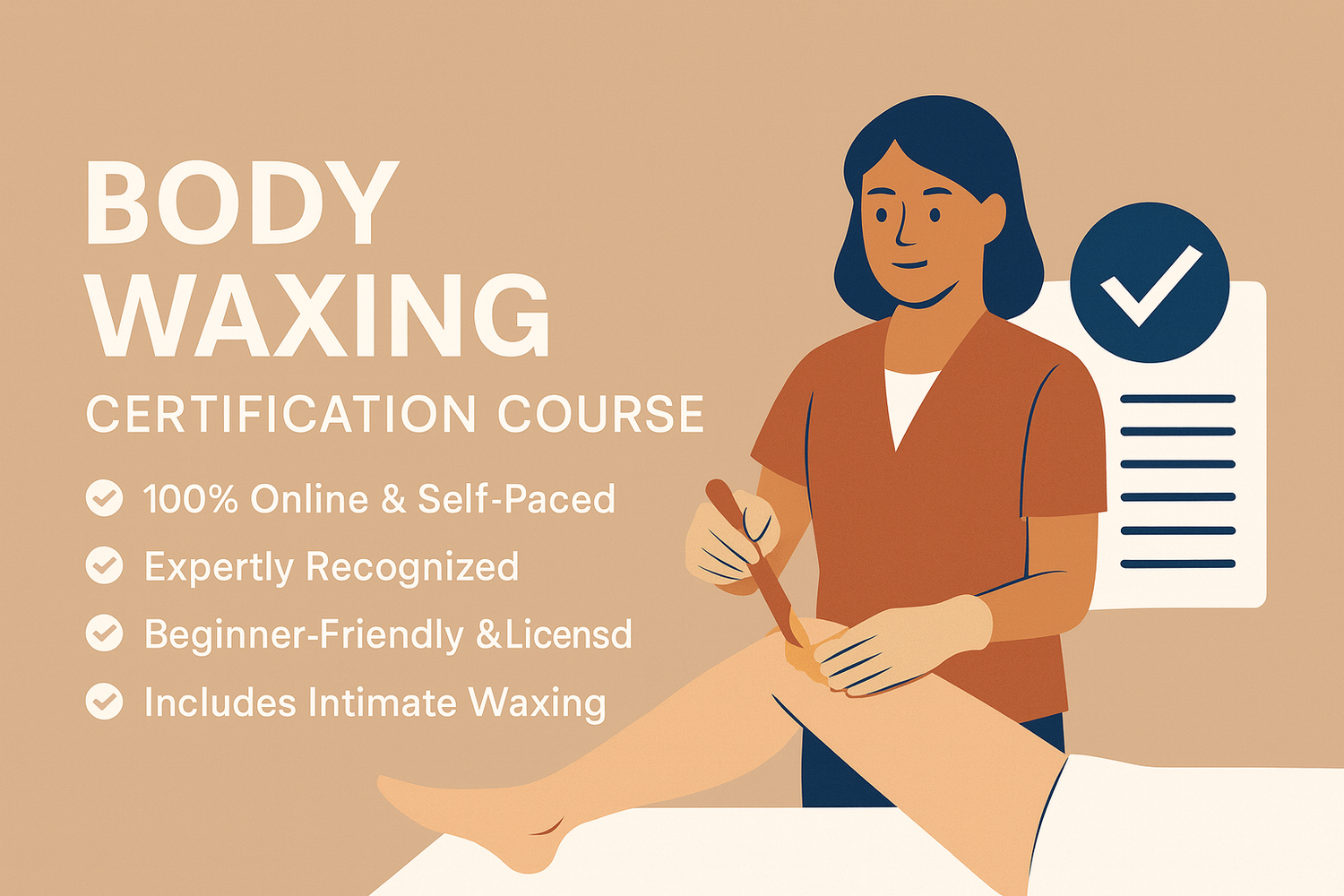
1.1 What is Waxing?
Waxing is a method of semi-permanent hair removal that extracts hair from the root using a sticky substance (wax) applied to the skin. When the wax is removed, it pulls the hair out from the follicle, leaving the skin smooth and hair-free. Waxing is commonly used on various parts of the body including the face, arms, legs, underarms, back, chest, and intimate areas.
Waxing can be done using different types of wax: soft wax (strip wax), hard wax (stripless), or sugar wax (a natural alternative). Each type of wax has specific benefits and is selected based on the area being treated, skin sensitivity, and hair texture.
Unlike shaving, which merely cuts the hair at the surface, waxing removes the entire hair shaft from beneath the skin. This results in slower regrowth, typically lasting from 3 to 6 weeks depending on individual hair growth cycles. Additionally, with consistent waxing, hair may grow back finer, softer, and sparser over time.
Waxing can be performed professionally in salons and spas or done at home. However, professional waxing ensures better hygiene, technique, and results, especially for sensitive areas or complex procedures like Brazilian waxing.
Waxing dates back thousands of years, with evidence of hair removal techniques found in ancient Egypt, Greece, and India. The practice has evolved significantly, with today’s waxes being safer, more effective, and gentler on the skin.
Key characteristics of waxing include:
Common types of waxing services:
Facial waxing: Eyebrows, upper lip, chin, cheeks, nose
Body waxing: Legs, arms, underarms, back, chest
Waxing is suitable for all genders and is increasingly popular due to the clean, long-lasting results it provides. While it can cause temporary discomfort, many find the benefits outweigh the momentary pain.
In this course, you will learn not only the technical steps of waxing, but also the science behind hair removal, safety protocols, client management, and how to build a thriving waxing practice. Whether you're a complete beginner or a professional looking to refine your skills, this training will serve as a foundation for mastery.
1.2 Benefits of Waxing vs. Other Hair Removal Methods
Waxing offers a range of unique benefits that set it apart from other hair removal techniques such as shaving, depilatory creams, threading, or laser hair removal. Understanding these differences is essential for professionals and clients alike when deciding on the most suitable method of hair removal.
1. Waxing vs. Shaving
Duration of Results: Waxing removes hair from the root, so results typically last 3 to 6 weeks, whereas shaving cuts hair at the surface, leading to regrowth within 1 to 3 days.
Hair Regrowth: With consistent waxing, hair regrowth may become finer, softer, and sparser. Shaving can make the hair appear coarser and thicker over time due to blunt ends.
Irritation: Shaving may cause razor burn, cuts, and ingrown hairs. Waxing, if done properly, reduces the frequency of ingrown hairs and doesn’t cause nicks or cuts.
2. Waxing vs. Depilatory Creams (Chemical Hair Removal)
3. Waxing vs. Threading
Speed and Coverage: Waxing is faster and more efficient for large areas such as legs, arms, or back. Threading is typically used for small, delicate areas like eyebrows or the upper lip.
4. Waxing vs. Laser Hair Removal
Other Benefits of Waxing:
Summary: Waxing stands out as a convenient, effective, and versatile hair removal method. It strikes a balance between long-lasting results, minimal side effects, and the ability to treat nearly any area of the body. While discomfort is expected, proper technique, aftercare, and consistency make waxing one of the most desirable options for temporary hair removal across the globe.
1.3 Who Can Perform Waxing Services?
Waxing may appear straightforward, but it is a professional service that requires training, practice, and compliance with legal regulations. Whether you're a beauty enthusiast looking to offer waxing from home or a licensed esthetician in a salon, understanding who is allowed to perform waxing is essential for both ethical practice and legal compliance.
Licensed Professionals
In most regions, waxing services can only be legally performed by individuals who hold a current and valid license in one of the following:
Esthetician License (or Aesthetician License): This is the most common path. Estheticians are trained in skincare, hair removal, and cosmetic procedures. Their education covers waxing techniques, skin health, sanitation, and client safety.
Cosmetologist License: Cosmetologists are licensed to work on hair, skin, and nails. Although their training in waxing may not be as extensive as estheticians, they are legally permitted to perform waxing services in most states and countries.
It is crucial for anyone offering waxing services to verify the specific licensing requirements in their state, province, or country. Practicing without a license in a jurisdiction where one is required is illegal and may result in fines, lawsuits, or permanent disqualification from licensure.
Unlicensed Individuals
While many people perform waxing at home on themselves or friends, unlicensed individuals are typically not allowed to offer paid waxing services to the public. Even if you have excellent skill, you cannot legally charge clients without proper credentials in most places. Moreover, without formal training, you may not be aware of:
Performing waxing without adequate knowledge or legal authorization can lead to serious injuries, infections, and legal consequences.
Medical Professionals
Some doctors, nurses, or medical estheticians in clinical settings may perform waxing as part of cosmetic dermatology services. However, this varies by facility policy and local laws.
Business Owners & Employers
If you are a salon or spa owner, it is your legal responsibility to ensure all waxing technicians employed are licensed and properly trained. Hiring or allowing unlicensed staff to perform waxing services can lead to lawsuits, insurance issues, and loss of business licenses.
Insurance Requirements
Most professional liability insurance providers will only insure individuals with valid licenses. Offering waxing services without a license can result in your insurance denying claims or canceling your policy.
Professionalism and Ethics
Beyond legality, being trained and licensed shows your commitment to safe, ethical, and high-quality service. It builds client trust and ensures you're using techniques that protect skin health, minimize discomfort, and prevent damage.
In Summary:
1.4 Licensing and Legal Considerations by Region
Licensing and legal requirements for performing waxing services vary significantly across the world, and even from state to state or province to province within a single country. Whether you plan to work in a salon, operate your own business, or offer mobile waxing services, it is critical to understand the legal framework in your region. Performing waxing services without appropriate licensure may result in fines, lawsuits, revoked business licenses, and reputational damage.
United States Licensing Overview
In the U.S., state boards of cosmetology or esthetics regulate hair removal services, including waxing. The majority of states require:
Some states offer a specialty license for waxing or hair removal, requiring fewer hours focused only on waxing. States like Texas, Virginia, and Florida may allow this option.
To obtain a license, individuals must:
Licenses must be renewed periodically, and continuing education may be required to maintain certification.
Note: State laws are very specific. For example:
Always check your state’s Board of Cosmetology website for current requirements.
Canada Licensing Overview
Canada does not have national licensing laws for esthetics or waxing. Regulations are determined by provinces and territories. Some provinces (like Ontario or Alberta) have voluntary certification programs, while others may have few formal requirements.
That said, most employers and insurance companies require:
Self-employed waxers are expected to follow all public health, sanitation, and business licensing laws.
United Kingdom Licensing Overview
In the UK, waxing is typically regulated at the local council level. There is no national licensing requirement, but most councils require:
You may also need:
Australia Licensing Overview
In Australia, there is no national esthetician license, but most states require:
Local councils may require registration and health inspections.
Mobile Waxing and Home-Based Services
Offering waxing services in clients' homes or from your own residence often comes with additional legal considerations:
Sanitation & Infection Control Regulations
Regardless of region, most licensing bodies require:
Working Without a License: The Risks
How to Research Regional Requirements
In Summary:
1.5 Contraindications: Who Shouldn’t Be Waxed
Before performing any waxing service, it is essential to conduct a proper consultation and skin assessment to identify contraindications—conditions or circumstances in which waxing could be unsafe, harmful, or ineffective. As a professional, your responsibility is to protect the health and safety of your clients, avoid causing harm, and prevent legal or ethical violations.
What Are Contraindications?
Contraindications are factors that may increase the risk of complications or negative reactions during or after a waxing service. These can be:
Some contraindications require postponing the service, while others may require avoiding waxing altogether.
Absolute Contraindications
These are non-negotiable. You should NOT perform waxing on clients with the following:
Active Sunburn or Heat Rash in the treatment area
Skin is already inflamed, and waxing can cause further damage or peeling.
Open Wounds, Cuts, or Abrasions
Increases risk of infection and improper wax adhesion.
Contagious Skin Infections
Examples include impetigo, ringworm, herpes simplex (cold sores), or warts.
Risk of cross-contamination is high.
Severe Varicose Veins (for leg waxing)
Skin over varicose veins is fragile and prone to bruising or rupture.
Blood Disorders or Bleeding Tendencies
These clients may bruise or bleed excessively.
Cancer Patients Undergoing Chemotherapy or Radiation
Skin is extremely fragile and immune-compromised.
Relative Contraindications (Proceed with Caution or Modify Technique)
These conditions may not rule out waxing, but they require careful evaluation, modified techniques, or a physician’s approval.
Diabetes
Poor wound healing and increased risk of infection. Use extra sanitation and avoid waxing compromised areas.
Skin-Thinning Medications:
Retin-A, Renova, Differin, Adapalene, Tretinoin (topical)
Accutane (Isotretinoin) (oral, within the past 6-12 months)
These medications make the skin fragile and prone to lifting or tearing.
Recent Chemical Peels, Laser Treatments, or Microdermabrasion
Skin is in recovery and may peel or react negatively to wax.
Recent Tanning (sun or tanning beds)
Tanned skin is more vulnerable to burns and irritation.
Skin Disorders such as Eczema, Psoriasis, or Dermatitis
Avoid waxing active flare-ups or broken skin.
Moles, Skin Tags, or Warts
Avoid applying wax directly on these areas to prevent trauma.
Pregnancy
Clients may be more sensitive to pain and prone to skin reactions. It is not unsafe but should be handled gently with extra care and client consent.
Client Intake and Communication
Before every waxing service:
If there is any doubt, postpone the service and refer the client to a physician. Always prioritize client safety over convenience or income.
Patch Testing and Consent
In Summary:
 UKPRN 10092631