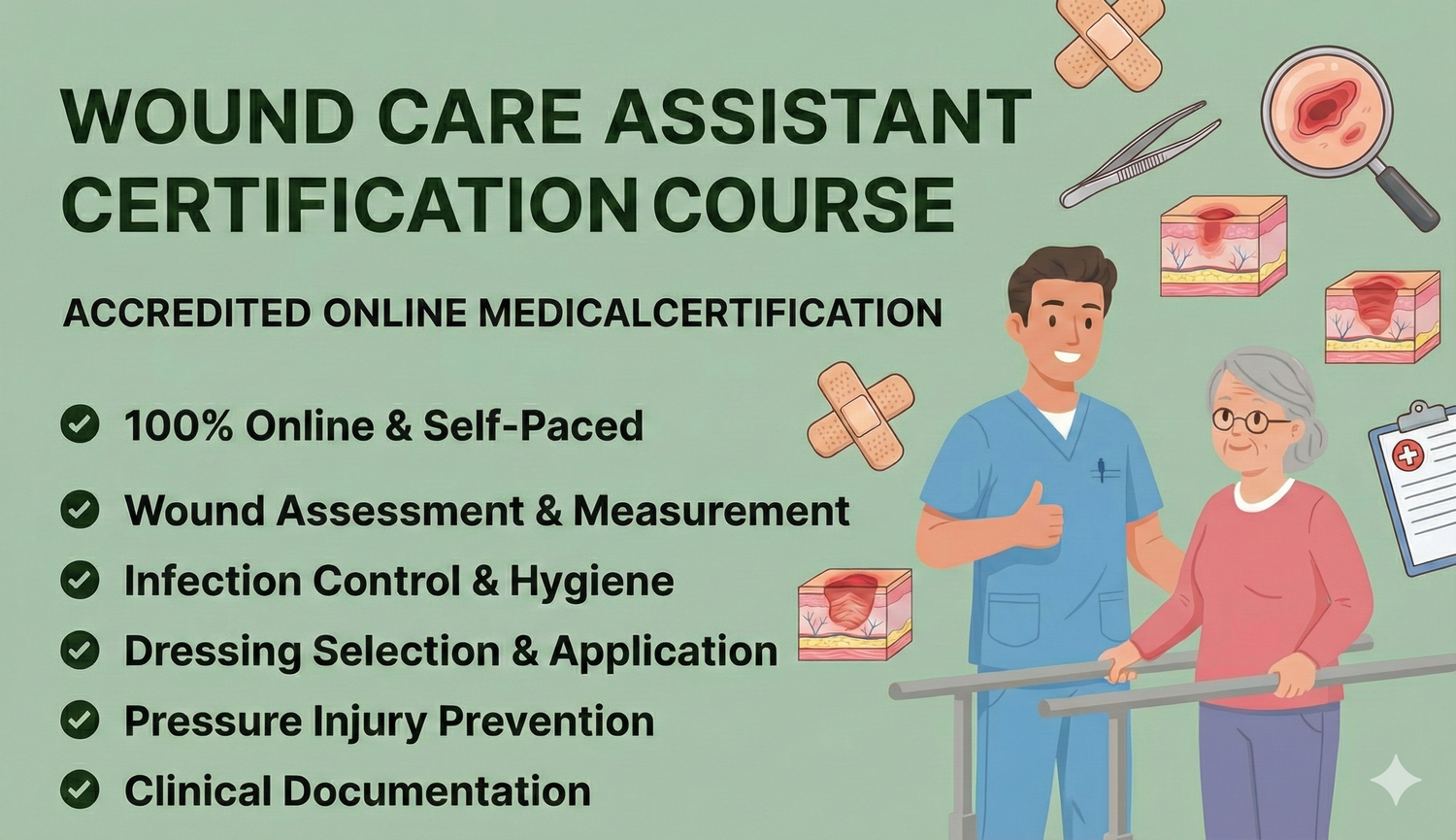
Wound care is a specialized and essential area of healthcare focused on the prevention, assessment, treatment, and ongoing management of wounds to promote healing, prevent complications, and preserve a patient’s overall health and quality of life. While wounds may appear simple on the surface, they represent complex physiological disruptions that involve skin integrity, circulation, immune response, nutrition, mobility, and often chronic disease processes. Effective wound care is not just about “covering a wound,” but about understanding the entire healing environment of the patient and responding appropriately at every stage of care.
At its core, wound care exists to restore the body’s first and most critical line of defense: the skin. The skin protects against infection, regulates temperature, prevents fluid loss, and serves as a sensory organ. When the skin is compromised, the body becomes vulnerable to infection, pain, fluid imbalance, impaired mobility, and in severe cases, life-threatening complications such as sepsis or limb loss. Wound care therefore plays a direct role in patient safety, recovery outcomes, healthcare costs, and long-term independence.
Wounds occur across all healthcare settings and patient populations. They may result from surgery, trauma, pressure, poor circulation, diabetes, burns, or chronic illness. Some wounds heal quickly with minimal intervention, while others become chronic, persisting for months or years without proper care. Chronic wounds in particular place a heavy burden on healthcare systems and patients alike, often requiring frequent visits, long-term treatment plans, and interdisciplinary coordination. Wound care assistants are a critical part of addressing this burden by supporting consistent, evidence-based care at the bedside and in the community.
Wound care is also deeply connected to prevention. Many of the most serious wounds seen in healthcare—such as pressure injuries and diabetic foot ulcers—are largely preventable with proper skin care, repositioning, patient education, and early intervention. Preventive wound care reduces hospital stays, lowers infection rates, and improves patient comfort and dignity. This preventive focus is one of the reasons wound care is considered both a clinical skill and a quality-of-care indicator across healthcare organizations.
From a systems perspective, wound care matters because poor wound outcomes are costly. Infections, delayed healing, and preventable wound deterioration increase hospital readmissions, lengthen recovery times, and consume significant healthcare resources. Regulatory agencies, insurers, and accrediting bodies closely monitor wound-related outcomes, especially pressure injuries, because they reflect the overall quality and safety of care being delivered. Effective wound care therefore supports not only individual patient outcomes but also organizational performance and compliance.
For patients, wounds are often painful, distressing, and emotionally challenging. Wounds may produce odor, drainage, or visible tissue damage that causes embarrassment, anxiety, or fear. Chronic wounds can limit mobility, disrupt sleep, interfere with work and daily activities, and contribute to depression or social isolation. Compassionate, skilled wound care helps restore not only physical healing but also patient confidence and dignity. This human aspect of wound care is just as important as the technical skills involved.
Wound care is inherently interdisciplinary. It involves collaboration between physicians, nurses, wound care specialists, physical therapists, dietitians, social workers, and support staff. Each member of the care team contributes a different perspective and skill set to promote healing. Within this team, wound care assistants play a vital supporting role by helping ensure that care plans are followed accurately and consistently, that wounds are observed carefully, and that changes are communicated promptly to licensed providers.
The field of wound care has evolved significantly over time. Historically, wounds were often left open to air, cleaned with harsh antiseptics, or managed with limited understanding of infection control and tissue healing. Modern wound care is guided by evidence-based practices that emphasize moisture balance, gentle cleansing, protection of surrounding skin, and individualized treatment strategies. Advances in dressing materials, infection control, and assessment techniques have dramatically improved healing outcomes when applied correctly.
One of the most important concepts in modern wound care is the understanding that wounds do not exist in isolation. A wound reflects the overall health status of the patient. Poor nutrition, inadequate blood flow, uncontrolled blood sugar, immobility, and unmanaged pain all interfere with healing. As a result, effective wound care requires attention to the whole patient, not just the wound itself. Wound care assistants must therefore develop observational skills and situational awareness that extend beyond the immediate task at hand.
Wound care also carries ethical significance. Patients rely on healthcare professionals to protect them from harm, respect their autonomy, and provide care that is both competent and compassionate. Improper wound care can lead to avoidable suffering, permanent injury, or death. Conversely, attentive and knowledgeable wound care can prevent complications and significantly improve a patient’s quality of life. This ethical responsibility underscores why wound care assistants must be properly trained and must operate within clearly defined professional boundaries.
The importance of wound care is especially evident in vulnerable populations. Older adults, individuals with disabilities, patients with chronic illnesses, and those receiving long-term or home-based care are at increased risk for skin breakdown and delayed healing. In these populations, early detection of skin changes and consistent preventive care can make the difference between a minor issue and a serious medical condition. Wound care assistants often have the most frequent contact with these patients, placing them in a key position to notice subtle changes and advocate for timely intervention.
In addition to direct patient care, wound care contributes to public health outcomes. Preventing infections, reducing antibiotic use through proper wound management, and minimizing hospital-acquired conditions all support broader healthcare goals. As antibiotic resistance and healthcare-associated infections continue to challenge healthcare systems worldwide, proper wound care practices play a role in protecting both individual patients and the community at large.
Wound care is not static; it requires ongoing learning and adaptability. New products, updated guidelines, and evolving best practices continually shape how wounds are managed. A strong foundational understanding of wound care principles allows assistants to adapt to different settings, patient needs, and care protocols while maintaining safe and effective practice. This course is designed to build that foundation step by step, beginning with a clear understanding of what wound care is and why it matters.
For the wound care assistant, understanding the significance of wound care provides context and purpose for every task performed. From preparing supplies and assisting with dressing changes to observing skin integrity and supporting patient comfort, each action contributes to a larger goal: promoting healing, preventing harm, and supporting patient well-being. Recognizing this broader impact helps transform routine tasks into meaningful clinical responsibilities.
By the end of this section, students should understand that wound care is a critical component of healthcare delivery that affects patient safety, recovery, dignity, and system-wide outcomes. Wound care assistants are not merely performing technical tasks; they are participating in a complex, patient-centered process that requires knowledge, vigilance, professionalism, and empathy. This understanding forms the foundation upon which all subsequent wound care skills and competencies will be built.
 UKPRN 10092631